
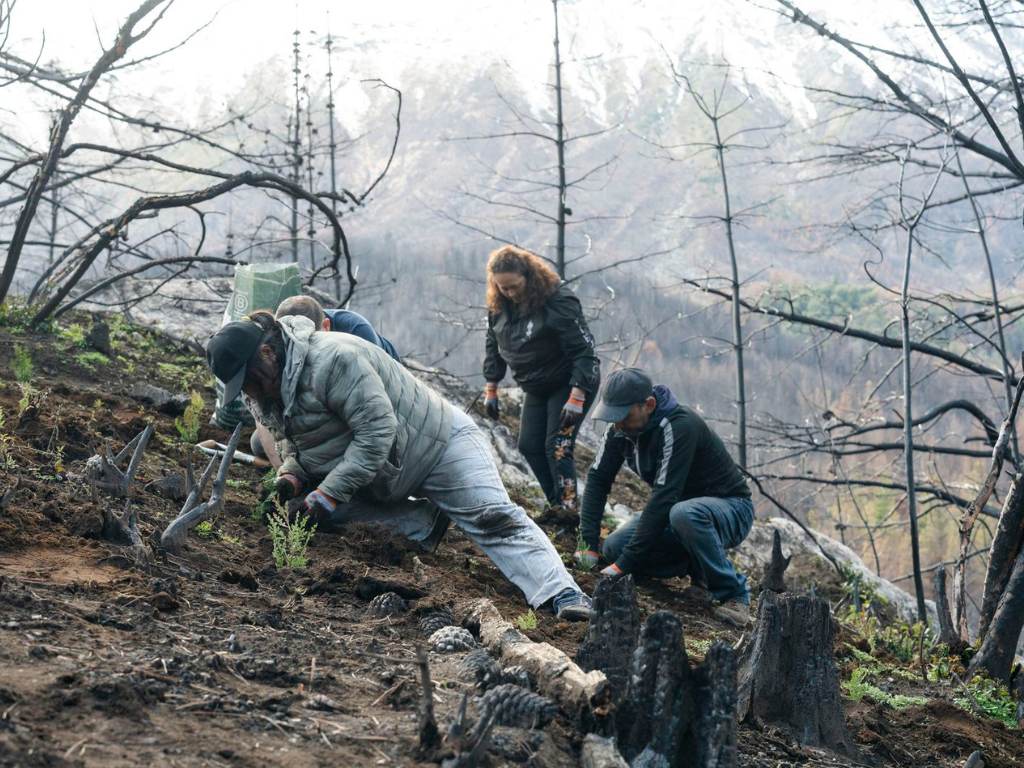
Just over 20,000 native trees arrived in April 2026 at El Turbio Provincial Park, in Chubut, in Argentine Patagonia. They were planted by the provincial Secretariat of Forests, the Argentina Wildlife Foundation, and the Reforestarg program across about 20 burned hectares.
According to the foundation, which announced the planting on June 10, the area is in the El Jara Creek sector, near Lago Puelo, and holds a high conservation value. Vida Silvestre presents it as a new phase in the restoration of the Patagonian Andean forest.
Two Fires in El Turbio
In 2015, a major wildfire destroyed about 7,000 hectares of native forest within the park, according to the foundation. In December 2025 another fire, this time of natural origin, swept through more than 3,100 hectares during the peak fire season in Argentine Patagonia.
The April planting began just four months later and is part of a provincial program for the areas burned in 2014 and 2015, designed for 30 years. The ProCLIM-AR project centers its restoration work on just over 42,000 hectares spread across Lago Puelo, El Turbio and Cholila.
Boat, Tractor, and Horse from Esquel
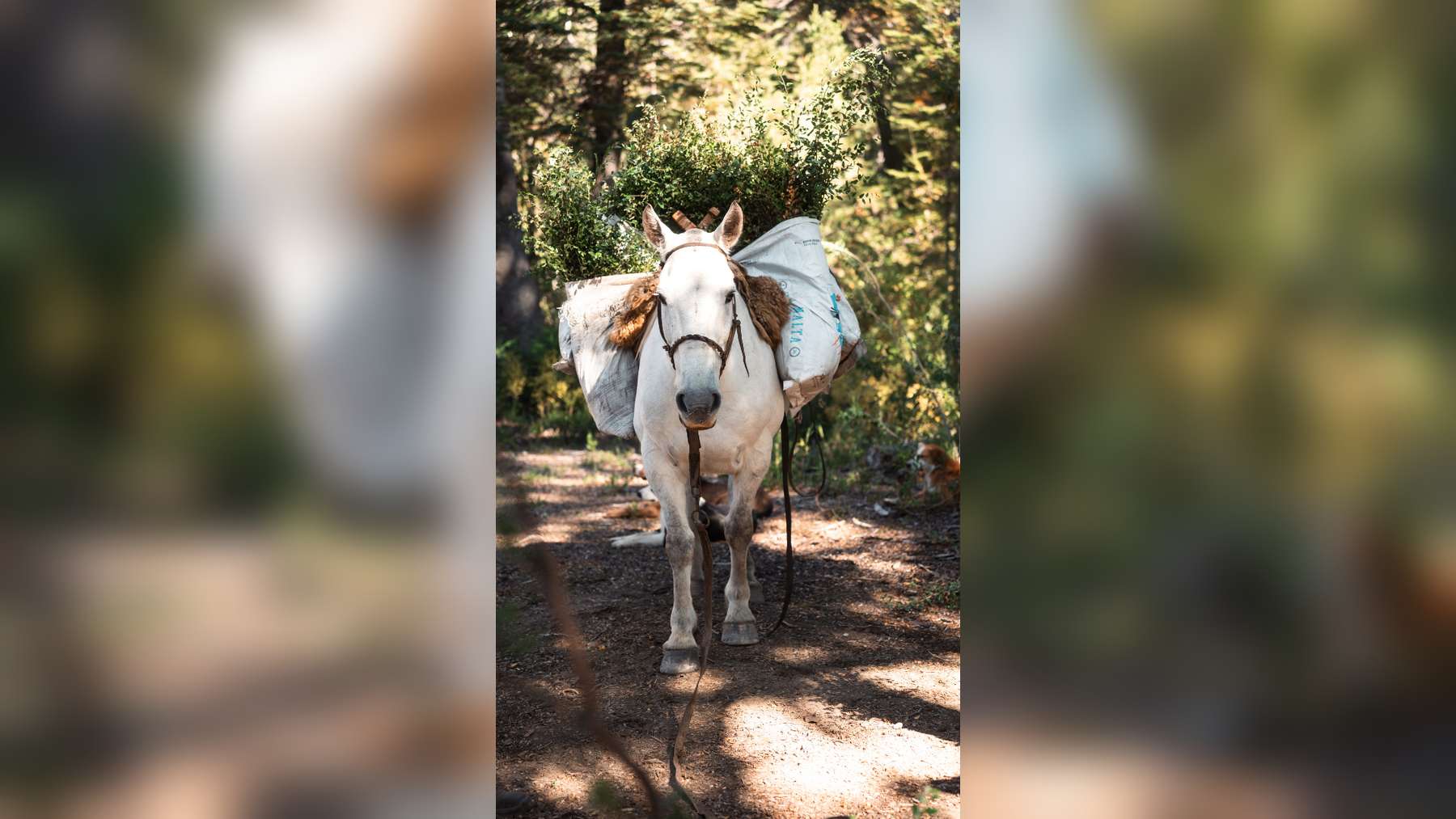
To reach the site, the technical team covered about 150 kilometers by land, from Esquel to Lago Puelo. They then traveled 13 kilometers by boat inside Lago Puelo National Park, proceeded by tractor, and completed the final stretch of 30 kilometers on horseback and on foot, a journey that took nearly two days.
The seedlings came from the Lemu provincial nursery in El Maitén, and the Provincial Fire Management Service carried them to the El Hoyo brigade base. From there, they were airlifted by helicopters from the Federal Emergency Agency.
Coihues About a Year and a Half
All the saplings are coihues (Nothofagus dombeyi), one of the emblematic species of the Andean-Patagonian forests, and were about a year and a half old.
Twelve local residents, along with forestry technicians, planted over ten days and distributed the trees in small groups called “bosquetes,” which mimic the way the forest regrows on its own. The burned trunks and the shrubs still standing protect the young coihues from wind and solar radiation.
For Ariel Medina, a forest specialist with Wildlife Foundation, planting native species is “a step toward restoring biodiversity, protecting water, and rebuilding the landscape.”
109,100 Trees for 127 Hectares
On September 2, the Secretariat of Forests announced a new phase for September and October, with 109,100 native trees across 127 hectares. Its four main destinations are the Lago Epuyén Multiple-Use Reserve and Río Turbio, the Río Tigre Natural Protected Area, and the province’s forest plot in Lago Puelo.
The agency selected each site based on the fire’s damage, the presence of native and exotic species, and the forest’s capacity to regenerate on its own. In some locations they plant directly, and in others they first open clearings and remove the young pines that sprouted after the fires.
On September 24, the secretariat counted 32,000 native trees planted across 40 hectares of the Lago Epuyén reserve, with the Cárdenas-Caucaman and Pulgar-Huentuquidel communities. The next steps were Laguna Los Alerces, the lake’s northern shore, and the reserves Río Turbio, Río Tigre, and Cerro Currumahuida.
From Lago Puelo came another update on October 8, because the local forestry delegation received 4,000 saplings for the provincial plot, a site of more than 60 hectares. There, the province has been replacing pines that were exploited since 2005 with productive native species, such as Pellín oak and raulí, and is now adding coihues and cypresses.
Residents, a School, and German Funds
In the Lago Epuyén and Río Turbio reserves live communities and residents, and the Secretariat of Forests opened participatory spaces with them that, according to the agency, improved planning. In Lago Puelo, the plot also serves as a classroom for Agricultural School No. 717 and for neighbors, while eight workers hired by the province clean the site to reduce fire risk.
Funding and coordination come from ProCLIM-AR, an agreement between Argentina and Germany implemented by the German agency GIZ with funds from the International Climate Initiative. Abel Nievas, Secretary of Forests of Chubut, says the project has provided “tools, financing and operational capacity” for three years, and sees each tree planted in burned areas as “a strategic investment for Chubut’s future.”
The FAO has also warned of the cost of not restoring degraded forests.
How Many Coihues Remain Alive
Official sources have not yet provided any survival figures for the coihúes of El Turbio, and for the new campaign the Secretariat of Forests plans to monitor the long-term growth of the plantings to “adjust the strategy.” There is also no final tally for the 109,100 trees, because the releases report progress at Epuyén and Lago Puelo but do not confirm that the target has been met.
In England, a forest planted 25 years ago remains different from the neighboring old-growth forest. And the Patagonia wildfire crisis leaves much to recover, since the 20 hectares of El Turbio account for less than 0.05% of the 42,000 hectares that ProCLIM-AR focuses on.
Vida Silvestre Argentina Foundation published the official planting note on June 10, 2026, and the Secretariat of Forests of Chubut released the latest campaign update on October 8. Medina had already warned in June that restoring the forests that burned will require “decades of work and effort.”
Foto: Patricio Gargini / Fundación Vida Silvestre Argentina
