
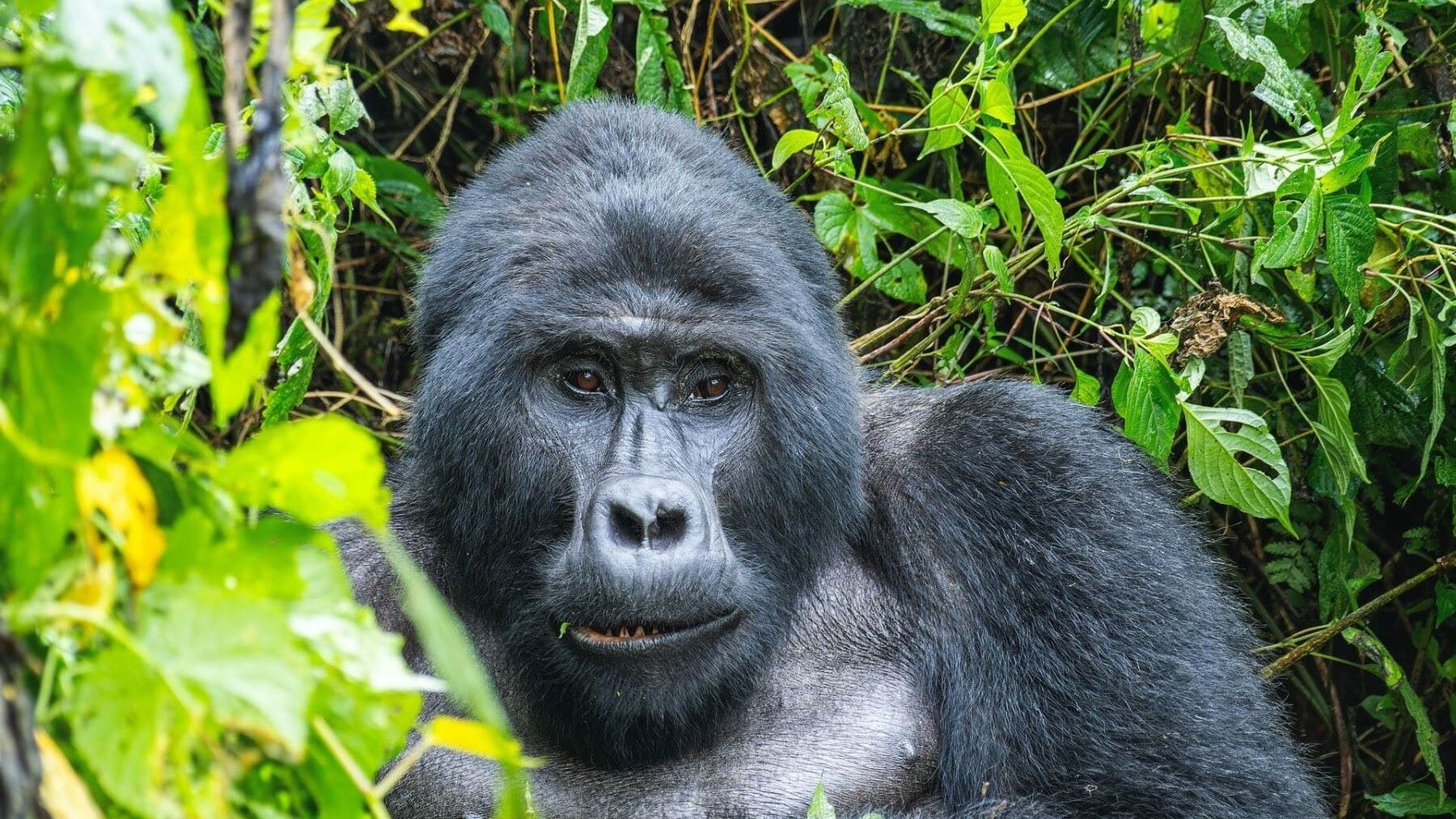
World Gorilla Day 2026. Every September 24, the international community raises its voice to call for the survival of the creature regarded as the king of primates. Its presence in the jungles of Africa is crucial to ensuring the planet’s overall health.
Activists and defenders of animals and the environment were the driving force behind World Gorilla Day 2026. The goal is to curb the extinction of their populations, since their presence is fundamental to the ecosystems in which they live.
These enormous primates act as true gardeners of the jungles and forests, dispersing a large number of seeds as they move. Yet, unbridled deforestation, coupled with poaching and diseases spread from humans to them, threaten their delicate biological balance.
Community ecotourism, protection in targeted areas, and international scientific cooperation demonstrate that saving this species can generate local wealth. Moreover, it is essential that citizens do not participate in wildlife trafficking or activities related to deforestation.
World Gorilla Day 2026: we must conserve the planet’s largest primate to protect Africa’s forests
World Gorilla Day 2026 once again highlights the critical situation facing one of the planet’s most emblematic animals. Although their imposing appearance conveys strength, the species is actually exposed to many threats that endanger its survival and could lead to their disappearance from the forests of Central and Western Africa, which constitute their natural habitat.
This observance underscores the role these great primates play in nature. Their presence is key to maintaining biological diversity, as they are essential for forest regeneration, helping to preserve ecosystems that depend on other species.
Why is World Gorilla Day celebrated?
World Gorilla Day 2026 was created to raise public awareness about the delicate situation of these primates and to promote conservation initiatives. The celebration began in 2011 led by several organizations dedicated to wildlife protection, among which WWF stands out.
Each September 24, in Africa’s reserves, various institutions, natural parks, research centers, and animal-rights and environmental organizations organize outreach campaigns, along with educational activities and projects aimed at the general population with the goal of informing about the reality of these animals.
Beyond outreach, World Gorilla Day 2026 also aims to secure and mobilize financial resources to protect natural habitats, reinforce scientific programs, and combat illegal hunting. Without those funds, it is impossible to guarantee the future of this species, which is fundamental for ecological balance.
Gorillas are essential for the health of African forests
Gorillas belong to the genus Gorilla and are the largest primates in the world. Today there are only two species: the western gorilla (Gorilla gorilla) and the eastern gorilla (Gorilla beringei), although both are divided into different subspecies.
These animals play a decisive role in preserving tropical forests. Their daily routines carry them across substantial ranges, and by feeding on fruits, leaves, and seeds, they are natural seed dispersers, promoting vegetation regeneration and helping to maintain biodiversity.
On World Gorilla Day 2026 we must remember that their populations remain very small. Thanks to decades of conservation, mountain gorillas now number over 1,000 individuals, but the entire genus remains threatened according to the IUCN and requires constant protection.
Habitat loss and poaching remain their primary enemies
Agricultural expansion, along with logging, mining (legal and illegal), and the growth of infrastructure, are the main factors reducing the gorillas’ range. The fragmentation of their habitat hampers their movement, reduces the chances for healthy reproduction, and limits access to food.
Another major challenge faced by those who protect them is poaching, fueled by two fundamental and illegal drivers: the wildlife meat trade and the trafficking of species.
Moreover, the World Gorilla Day 2026 highlights another growing risk: diseases transmitted by humans. The Ebola fever has killed thousands of individuals over the past decades. This is only one example, as, due to their close genetic relationship with humans, these primates can contract other illnesses and die when treatment is unavailable.