
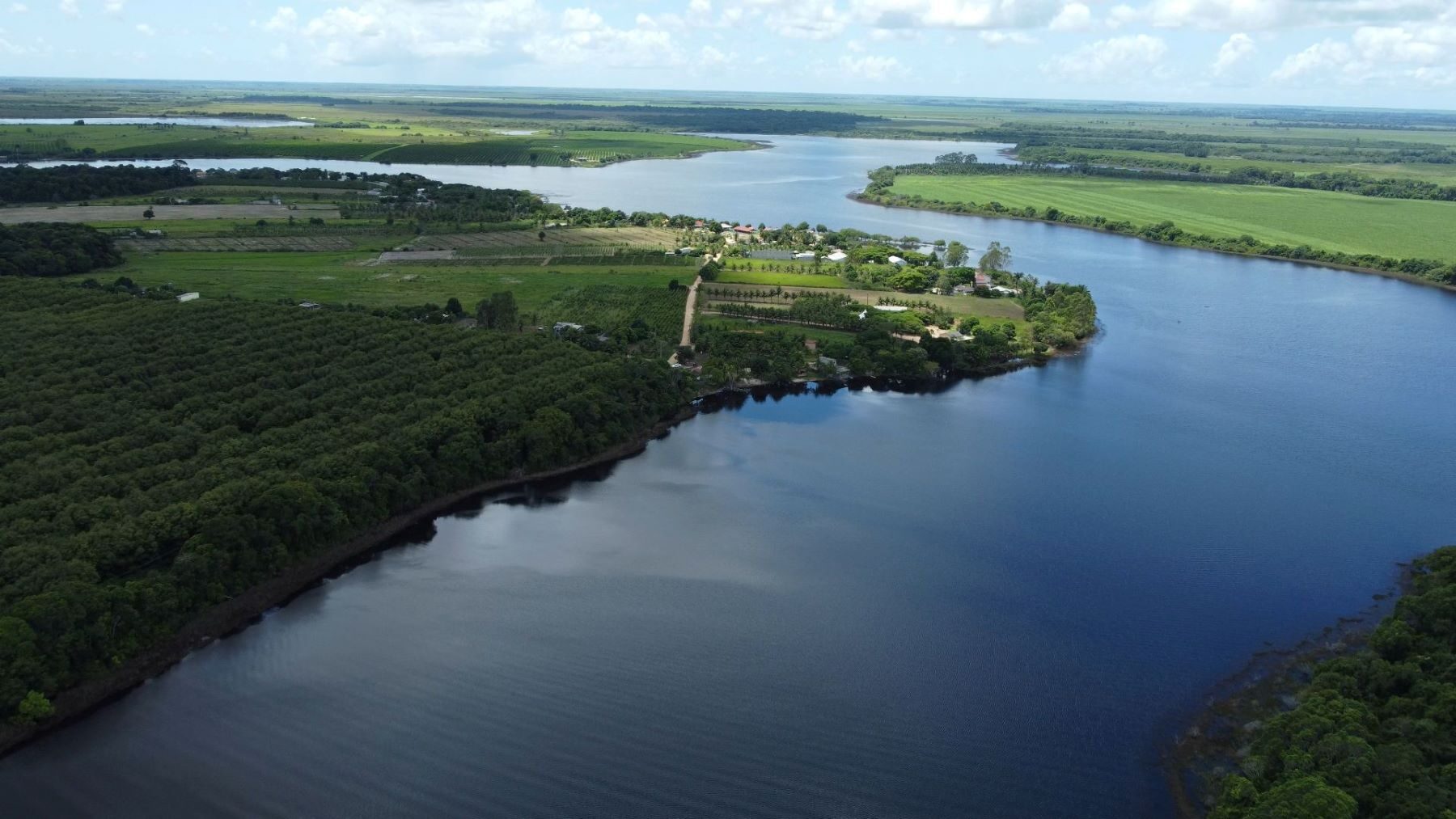
What is World Rivers Day 2026? The fourth Sunday of September, today the 27th, marks a day that highlights the vital importance of river flows. These ecosystems nurture global biodiversity, support entire economies, and guarantee the drinking water we consume daily.
The problem is that pollution from discharges, overexploitation of the rivers and the construction of dams and weirs have fragmented the channels. To make matters worse, global warming is altering river regimes, leading to alternating droughts and floods, and both events are devastating for the ecosystems and the populations that depend on these rivers.
The World Rivers Day 2026 is celebrating its twenty-first edition, promoting social mobilization for volunteers to help clean the banks and reforest the margins. Community participation is essential to restore health to these natural water corridors.
To guarantee basin protection, it is essential to implement sustainable, resilient, and efficient political governance and a conscious and responsible domestic use. Preserving living waterways is the best investment if you want to ensure the water supply for future generations.
World Rivers Day 2026: A Day to Defend the Planet’s Water Arteries
Every last Sunday of September, in this case today 27, World Rivers Day 2026 is celebrated. This commemoration seeks to value the important role these ecosystems play and to reinforce commitment to their protection and conservation. Rivers are far more than mere streams of water, as they connect landscapes, nourish biodiversity, and provide essential resources to millions of people.
Human pressure, climate change, deforestation, pollution and the alteration of natural channels are factors that are transforming most rivers around the world. This situation jeopardizes their capacity to provide water and food and to act as protective barriers against extreme events.
World Rivers Day 2026: Why are rivers indispensable for life?
Rivers have been the cradle of some of the most important civilizations throughout history. Great watercourses like the Nile, the Ganges, the Amazon, or the Danube have fostered the development of mighty cities, promoted trade and agriculture, and are the subject of numerous cultural, traditional, and spiritual expressions that still endure.
Their importance goes far beyond simply supplying drinking water, since they enable irrigation systems for crops, facilitate the transport of people and goods, sustain inland fisheries, generate hydropower, and offer natural spaces where tourism and recreational activities flourish. That is why it is vitally important to celebrate World Rivers Day 2026.
Ecologically, they are authentic biological corridors that connect habitats and favor the movement of thousands of species. They also maintain soil fertility and moisture, transport nutrients, and feed hundreds of wetlands that naturally filter water and act as water reserves.
What are the major challenges threatening the planet’s rivers?
Despite their enormous importance, many rivers are in a truly delicate situation. The construction of dams, weirs, canalizations and diversions is fragmenting more than half of the world’s river systems. This situation alters natural processes and affects the balance of the associated ecosystems and their biodiversity.
Pollution is another grave problem affecting rivers and is caused by waste, plastics, industrial discharges, wastewater, agrochemicals and many other elements. These substances affect water quality, the health of the waterways and of biodiversity and of the humans who depend on them.
Climate change Implica una presión adicional a las amenazas que ya se ciernen sobre los ríos. El retroceso de los glaciares, los cambios en los patrones de lluvia y el incremento de los fenómenos extremos cambian los caudales naturales, aumentan el riesgo de inundaciones y fomentan la aparición de sequías prolongadas. Estos son los problemas más destacados que afectan a las corrientes fluviales a destacar en el Día Mundial de los Ríos 2026.
A celebration that drives conservation and citizen participation
World Rivers Day 2026 began in 2005, inspired by an initiative created in Canada during the 1980s. Since then, thousands of organizations, administrations and citizen groups organize activities to promote environmental education and advance the protection of these ecosystems.
The days include riverbank cleanups, educational programs, interpretive routes, conferences and awareness campaigns aimed at reminding that rivers require responsible management to continue providing the environmental services relied upon by a large portion of the population.
The celebration of World Rivers Day 2026 also seeks to bring science closer to the public, showing how river restoration can improve biodiversity, reduce the impact of floods and increase water availability in times of scarcity.
The sustainable management will be decisive for the future of water
On World Rivers Day 2026 it is essential to remember that the future of rivers and drinking water will depend on the ability to combine development and conservation through effective and resilient public policies, basin planning and cooperation among territories, especially if the same river crosses several regions and/or countries.
Investing in efficient restoration of river ecosystems also means achieving improved adaptation to climate change, strengthening the water security of millions of people and protecting biodiversity locally. Conserving rivers implies preserving one of the most valuable and indispensable natural resources for present and future generations.