
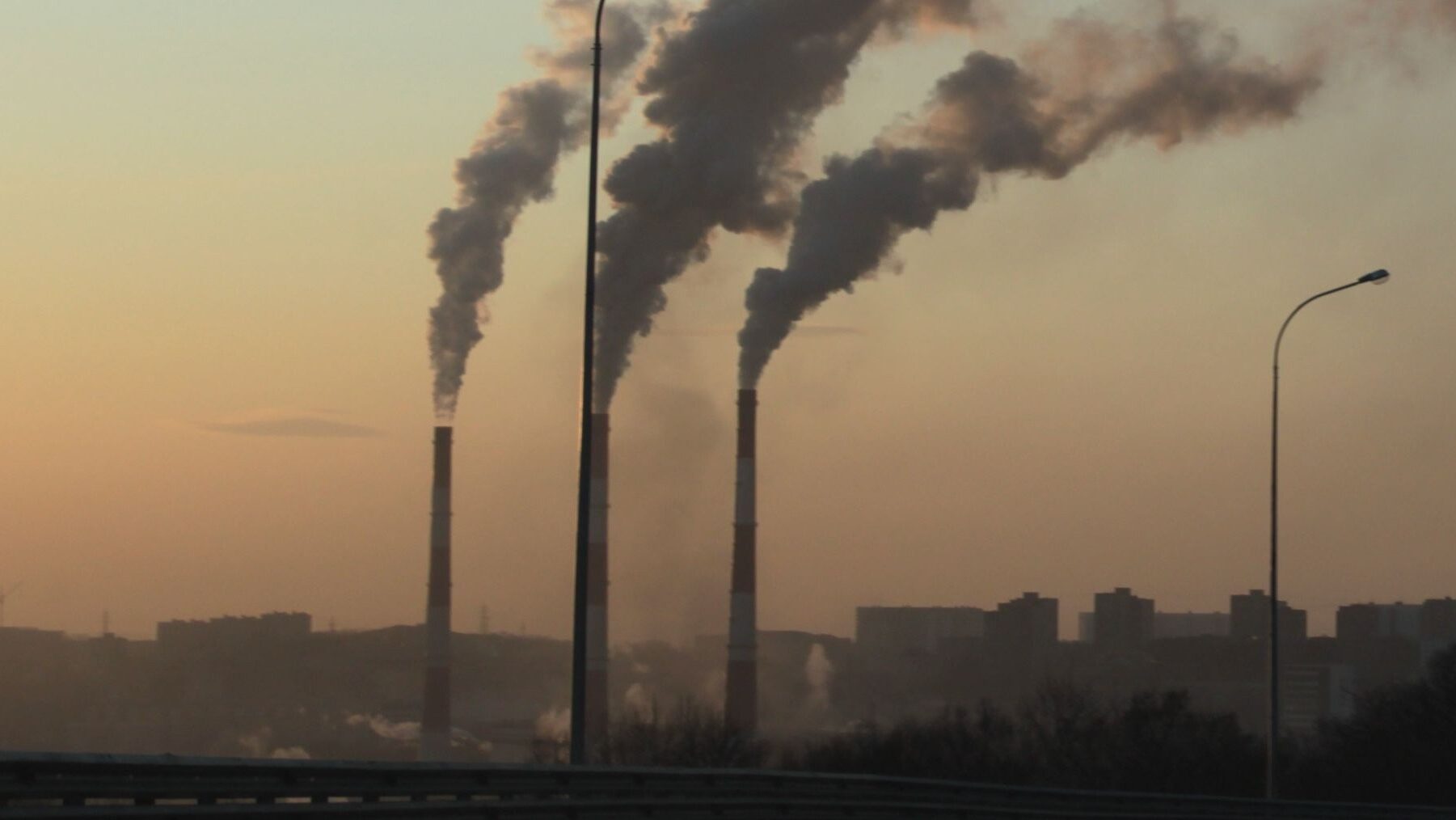
Meloni and Babiš will push for an ETS reform that makes regulations more flexible and delays the carbon emission rights system applicable to several industries.
Italy and the Czech Republic want to undertake an ETS reform and plan to bring to Brussels a question that could be decisive for the European transition. They want to know how the cost of carbon can be reduced for industry without sacrificing the incentive to cut emissions.
Giorgia Meloni and Andrej Babiš want to present a joint action, so they intend to push for an ETS reform that combines shielding for energy-intensive sectors with a significant intervention in the carbon rights market, along with a request to delay ETS2.
Rome and Prague want an ETS reform in which the measures burdening certain key industries, such as cement, steel or ceramics, are flexibilized. To justify this, they claim that the reform’s foundation is competitiveness and they call for a Market Stability Reserve and free carbon rights.
What are Italy and the Czech Republic seeking with their ETS reform?
Italy and the Czech Republic recently sealed a strategic cooperation agreement in Prague on industrial and energy matters, and they agreed on a proposal to modify the functioning of the current carbon emissions trading system (ETS).
The so-called Italy-Czech Republic Action Plan 2026-2030 is a reform of the ETS born from “the complementarity of production systems,” said Italian Prime Minister Giorgia Meloni, at a press conference after meeting her Czech counterpart, Andrej Babiš, a populist. Among the main topics of cooperation is nuclear energy, after Italy recently lifted a forty-year veto on atomic technology.
Meloni, whose government is committed to achieving a sustainable energy mix, referred to “new generation nuclear modules,” where the two countries could cooperate very well.
The two countries have been showing a growing convergence on key European issues, including defense and security, infrastructure, research and innovation, up to migration and competitiveness, which are the basis of the ETS reform they propose.
Free carbon rights?
One of the topics most affecting competitiveness, where Rome and Prague have found the strongest alignment, is the carbon emissions trading system, whose current operation they deem detrimental to industry, so they have agreed on operational proposals to modify it.
“The European carbon tax system artificially inflates prices and creates imbalances among member states, which harms the competitiveness of European companies and industries,” said Meloni’s office in a statement.
Therefore, the two countries will propose to Brussels to “intervene in the carbon market, using the Market Stability Reserve to prevent the ETS mechanism from pushing costs on businesses even higher.”
Additionally, in the ETS reform they will call for “greater protection for the most exposed industrial sectors, such as ceramics, steel, cement and other energy-intensive sectors, temporarily introducing greater flexibility in the allocation of free ETS emission allowances.” In this sense, the two countries propose delaying the start of ETS 2, which covers emissions from buildings and road transport.
“At a time when fuel prices are already very high, the introduction of ETS 2 could risk worsening the situation in road transport and construction, with effects also on competitiveness and citizens’ purchasing power,” the note concludes about the ETS reform.