
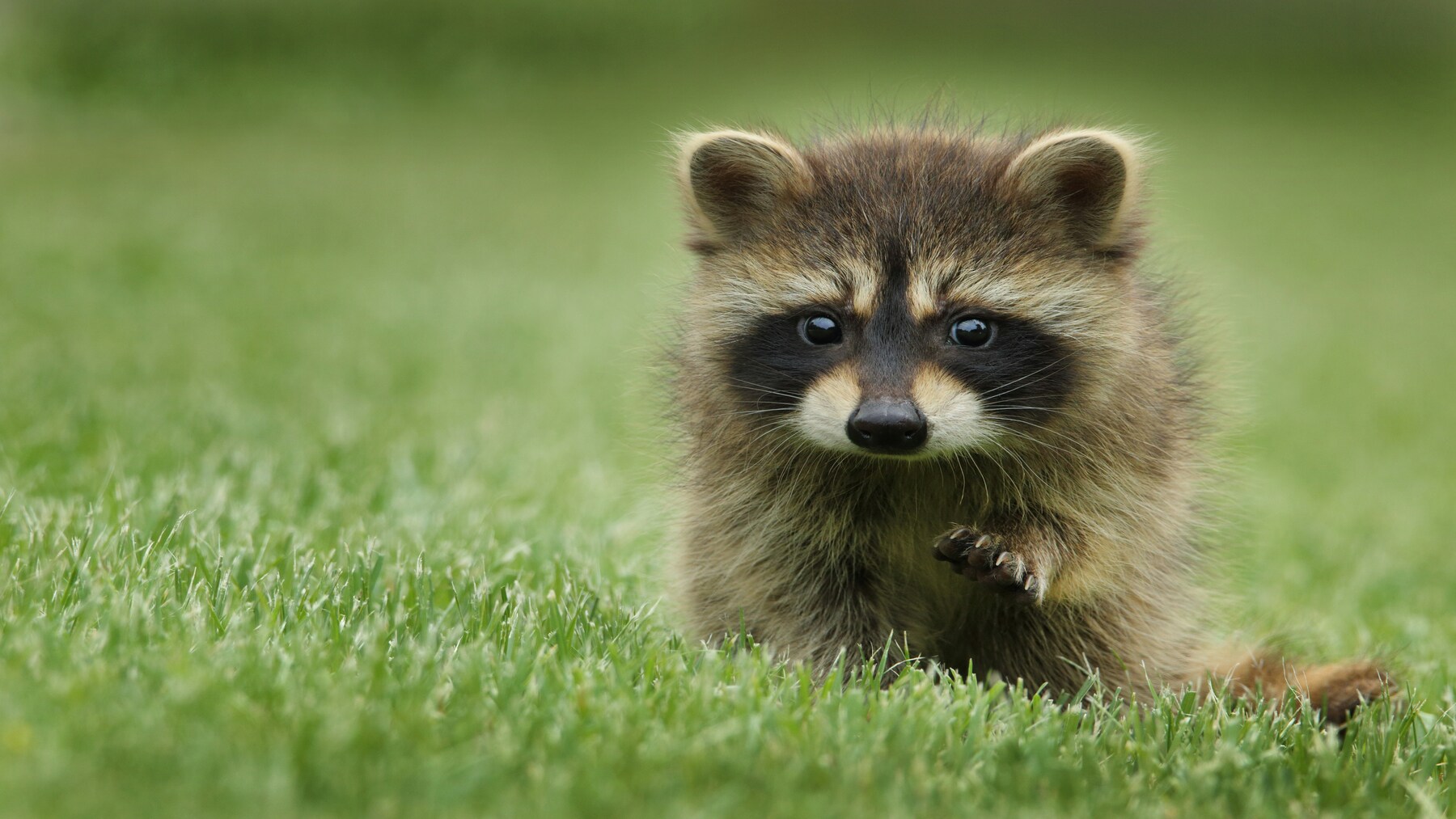
World Animal Day 2026 is celebrated on October 4 and brings together the protection of domestic animals, farm animals, and wildlife.
An abandoned animal and a wild species losing its habitat confront different challenges, but both require effective protection. World Animal Day 2026, observed on October 4, offers an opportunity to look beyond demonstrations of affection and ask which measures truly improve their living conditions.
The history of the date deserves to be told precisely. According to the organization that coordinates the day, Heinrich Zimmermann organized his first celebration in Berlin in 1925. It moved to October 4 in 1929, for the feast of Saint Francis of Assisi, and an international congress of protection groups endorsed that date in 1931. It was not an initiative founded by World Animal Protection in 1929.
Protection presents tasks that differ by animal. In households, it is crucial to prevent abandonment and attend to their needs; on farms, to monitor breeding conditions and handling; and for wildlife, to safeguard the ecosystems where they live. The Red List of the International Union for Conservation of Nature allows checking the threats and conservation measures identified for each assessed species.
It is also worth correcting a repeated fact in texts about this day: UNESCO did not approve the 1978 Universal Declaration of the Rights of Animals. It was proclaimed by a non-governmental organization at its headquarters, without official adoption by UNESCO. Distinguishing between an ethical declaration and a binding norm helps to explain rigorously what tools exist to protect animals.
What is commemorated on World Animal Day 2026?
World Animal Day 2026. The first World Animal Day owes its existence to Heinrich Zimmermann, who organized the celebration in 1925 in Berlin. Zimmermann was the editor of a German magazine called ’Man and the Dog’ and created this event with the aim of raising awareness about the importance of caring for and protecting all animals.
In 1931, at the International Congress for the Protection of Animals held in the Italian city of Florence, World Animal Day was officially instituted. The date October 4 was chosen because it is the feast day of the patron saint of animals, Saint Francis of Assisi (1182-1226), who maintained that any animal deserves our respect, whether a bird, an insect, a fish, or a pet.
The animals, from the enormous blue whales to the tiniest insects, play crucial roles in the ecosystems of our planet. World Animal Day was born to reflect on our relationship with animals and reaffirm our commitment to their welfare and conservation.
Today is the day for all animals
This commemoration seeks to raise public awareness for the cause of animals and to end the suffering they may endure at the hands of humans. Whether wild or domesticated, each of them deserves to enjoy a dignified existence free from harm.
Flora and fauna are an integral and vital part of the great ecosystem that includes us all: planet Earth. And in this system, every being, no matter how small or seemingly insignificant, is essential to maintaining the fragile balance that sustains the entire system and allows life to exist thanks to the interconnections among all living things.
Deforestation diminishes habitats. Climate change destroys entire ecosystems, pollution affects all living beings. Overfishing is a scourge that is decimating fish stocks worldwide; indiscriminate hunting, poaching, or commercial exploitation affect thousands of species. Dolphinariums and zoos imprison animals, to name but a few of the thousands of ways humans can harm them.
Today is a day to enjoy our pets. But it is also a reminder that thousands of cats, dogs, rabbits, ferrets, hamsters, turtles and many more are abandoned daily. And their fate, in most cases, will be grim.
Do not buy companion animals of any kind, adopt responsibly, have them spayed or neutered, and never abandon them under any circumstances. They would never do so themselves.