
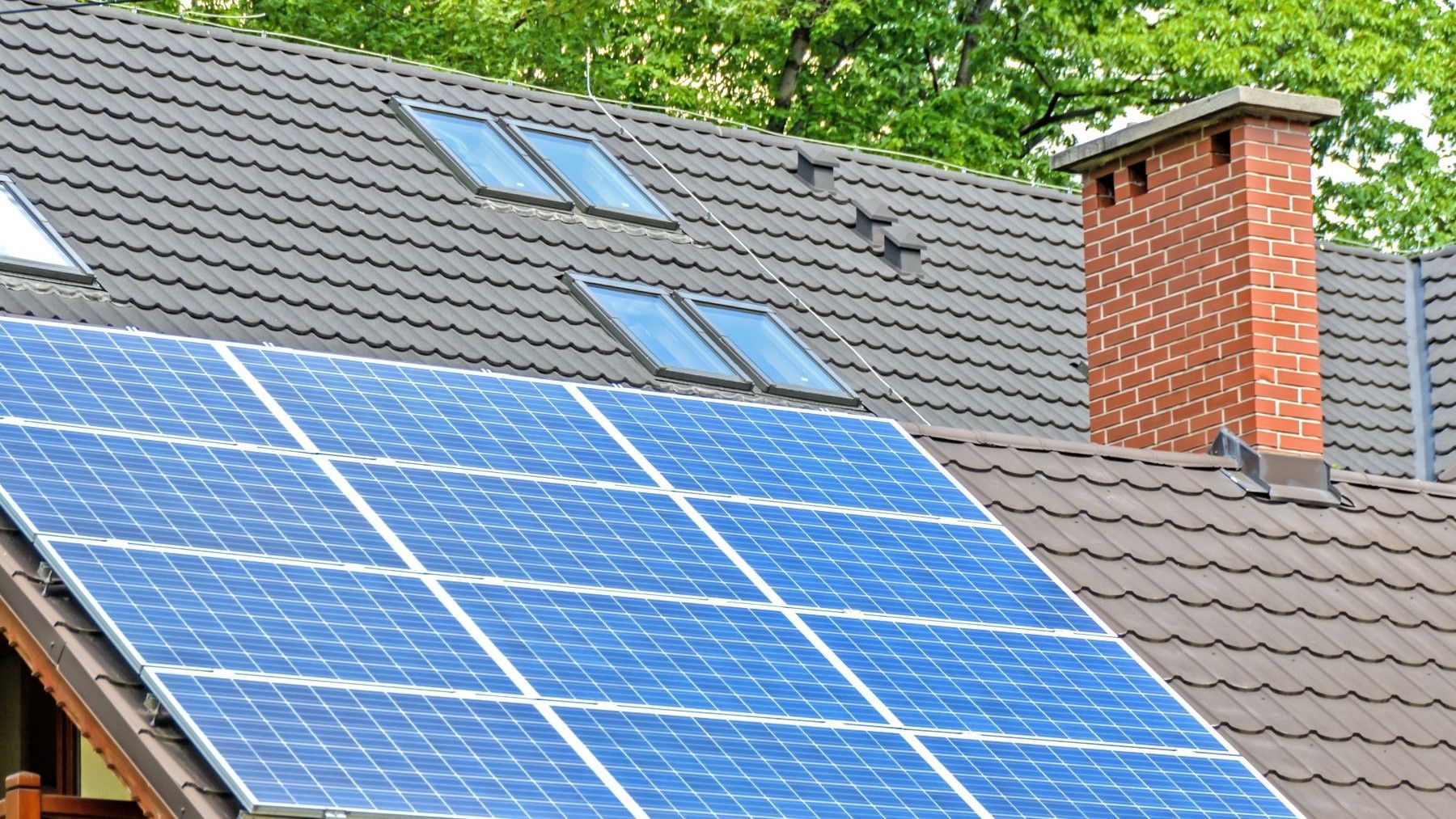
The University of Málaga has designed an energy-management algorithm that plans consumption a day ahead and coordinates buildings, energy communities, and urban networks.
Having solar panels and batteries raises a crucial question: when is it best to use the available electricity? An energy-management algorithm developed by the University of Málaga presents a challenge with a proposal that links decisions at the building and neighborhood level to make better use of resources.
Understanding this research helps illuminate why coordination can be as important as having renewable energy. This report explains what anticipatory planning can offer to reduce costs and the scope of savings demonstrated in simulations.
The proposal is analyzed across all its spheres of action: smart buildings, energy communities, and the distribution network. That approach helps clarify what benefits come from integrated management and how it could assist those who organize urban electricity supply and consumption.
The Algorithm That Saves Energy
A team of researchers from the University of Málaga (UMA) has designed an energy-management algorithm that coordinates and organizes energy use in buildings, neighborhoods with shared self-consumption, and urban electrical networks.
The tool calculates 24 hours in advance how much electricity should be consumed, stored, bought, or sold at each moment to reduce costs and better exploit the available renewable energy, according to a statement released on Saturday by the Descubre Foundation.
The results show that combining these resources boosts energy management compared with conventional scenarios in which buildings do not have renewable installations, storage, or smart control systems.
For instance, the system could decide that one building charges its batteries when there is solar surplus, another uses that energy during a high-demand hour, or an electric vehicle returns part of the stored electricity if it is advantageous.
The future application of this energy-management algorithm model would be aimed at professionals who manage smart buildings, energy communities, and urban distribution networks.
The main novelty of the work is that it proposes an integrated three-level organization, with a base consisting of smart buildings, i.e., those that incorporate home-automation elements such as sensors or automatisations.
After that come the essential energy communities that group several smart buildings, and finally the distribution network, which enables electricity exchange between communities and their connection to the electrical system.
According to experts, most studies focus on a single level, while this proposal offers a comprehensive view and applicable to urban environments with a high presence of renewable energies.
In the simulations, the involvement of photovoltaic energy reduced the operating costs of buildings by around 29 percent, compared with a system that is fed only by the main grid, without PV or storage.
By adding parameters such as climate control or hot water, the savings reached up to 45.65 percent, while the use of electric vehicles as energy support contributed an additional 8.59 percent reduction.
This means that the system, besides incorporating these green energies, learns to use them at the most convenient moments: it harnesses sunlight when it is available, reserves energy for high-cost hours, and shifts certain consumptions to time bands with lower costs.
The future application of this energy-management algorithm would be directed at professionals of smart buildings, leaders of energy communities, and operators of distribution networks, i.e., the companies that distribute electricity from the general grid to the points of consumption, such as homes or buildings, among others.
In a single city, these three actors could use the tool to improve their energy decisions and take advantage of the available resources without needing to share all their internal data.
The researchers add that improvements in the coordination and energy management of these environments will allow exploiting surpluses, reducing dependence on the grid at certain times, and improving the planning of the electrical system.