
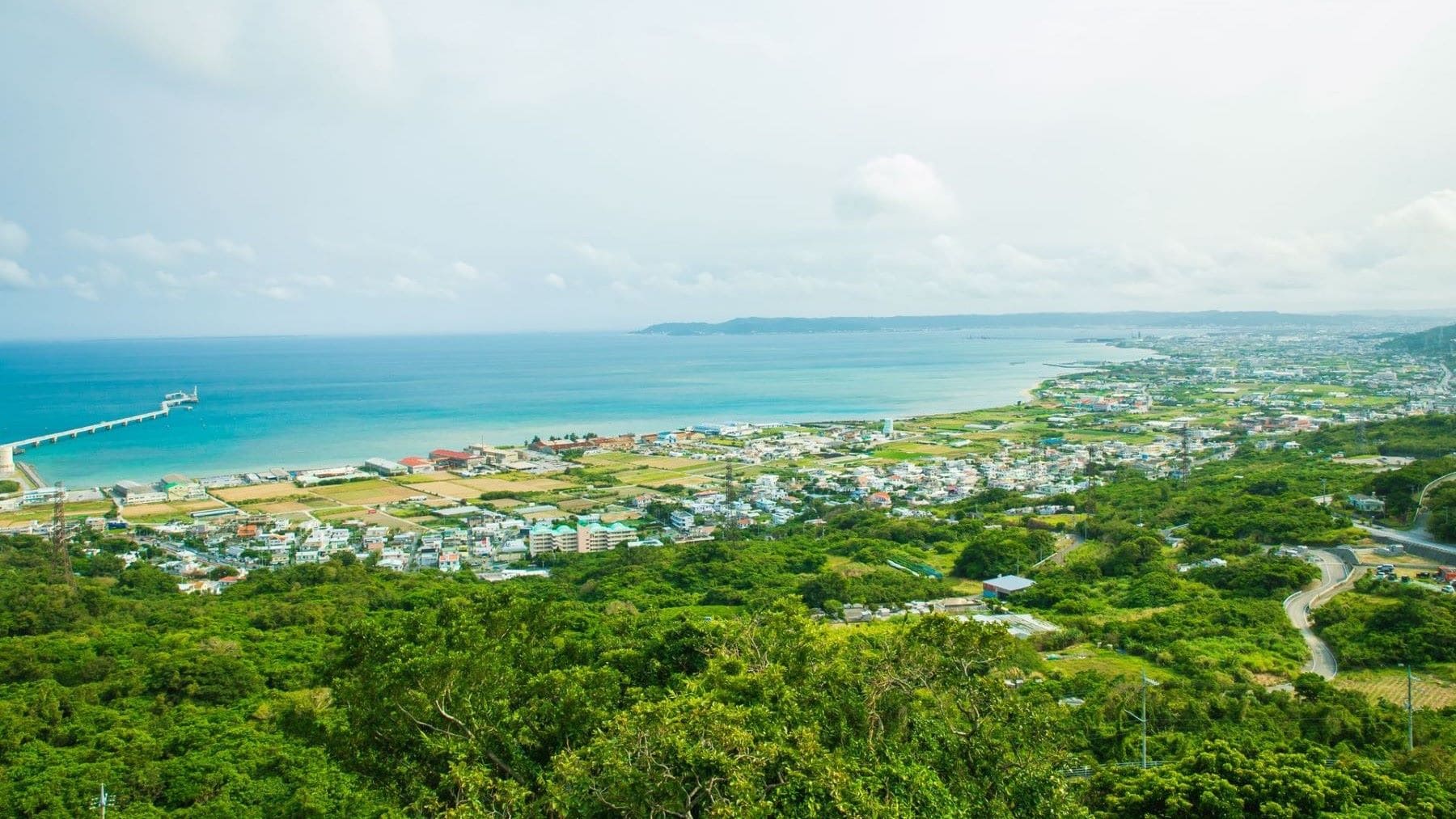
A study on coastal urbanization and fish reveals that blue damselfish in urbanized environments can exhibit a good nutritional status while simultaneously showing signs of chronic physiological stress. The research analyzed specimens of Chrysiptera cyanea in Okinawa, Japan.
The analysis of gene activity identified several alterations related to metabolism, immunity, and inflammation in the fish. In this way, certain problems that previously went unnoticed when only the environment was observed can be detected.
The finding proposes a new way to evaluate the health of wildlife living beside our cities. In this news item we will discuss the potential of this new tool that enables studying environmental problems from the very organisms that suffer them.
Coastal Urbanization and Fish
Fish living near urbanized coastlines are more exposed to chemical, acoustic, and light pollution, which leads to chronic deterioration of their health, warned a study from the French National Centre for Scientific Research (CNRS) carried out in a laboratory based in Okinawa (Japan).
“The urbanization of coastal zones exposes fish to multiple stress factors that affect their physiology,” stated the CNRS in a press release, which also highlighted that this pioneering method for measuring environmental effects could be applied to other animal species and will help assess whether these same pressures also affect nearby human populations.
The study, published this Friday in the journal Nature Communications, found “varied consequences” in both younger and adult fish.
It confirmed “alterations in metabolism, the immune system, hormonal mechanisms involved in acclimatization to the environment, as well as the triggering of inflammatory responses”, the researchers noted.
The CNRS explained that the phenomenon of physiological stress in fish living near coastal cities is “paradoxical”, since it occurs not due to food shortage but due to excess.
“As if it were a fast-food chain, these environments seem to offer abundant, easily accessible and rich in organic matter, which could especially attract fish despite the health detriments,” the authors warned.
In this way, species in those areas “present a high nutritional status while showing signs of chronic physiological stress”, which degrades the health of the fish.
These results were obtained through transcriptomic analyses, a molecular biology technique that measures gene activity at a given moment within a cell, tissue, or organism.
The species chosen for this genetic analysis was Chrysiptera cyanea, a common coral reef fish also known as the blue damselfish.
“The scientists analyzed the entirety of genetic activity in order to distinguish the effects associated with human activities from those related to other factors, such as temperature or nutritional status,” the CNRS explained.
The authors of the study asserted that the work presented “opens the way to a new form of monitoring the effects of environmental changes,” since, rather than measuring only the environmental characteristics, the analysis of the transcriptome allows for directly assessing the physiological state of the organisms living in it.
“In principle, this approach could be applied to numerous animal species and to very diverse ecosystems,” noted the study, which also indicated that it opens the door to evaluating how the “environmental pressures identified in Okinawa’s coastal zones also affect nearby human populations.”
