
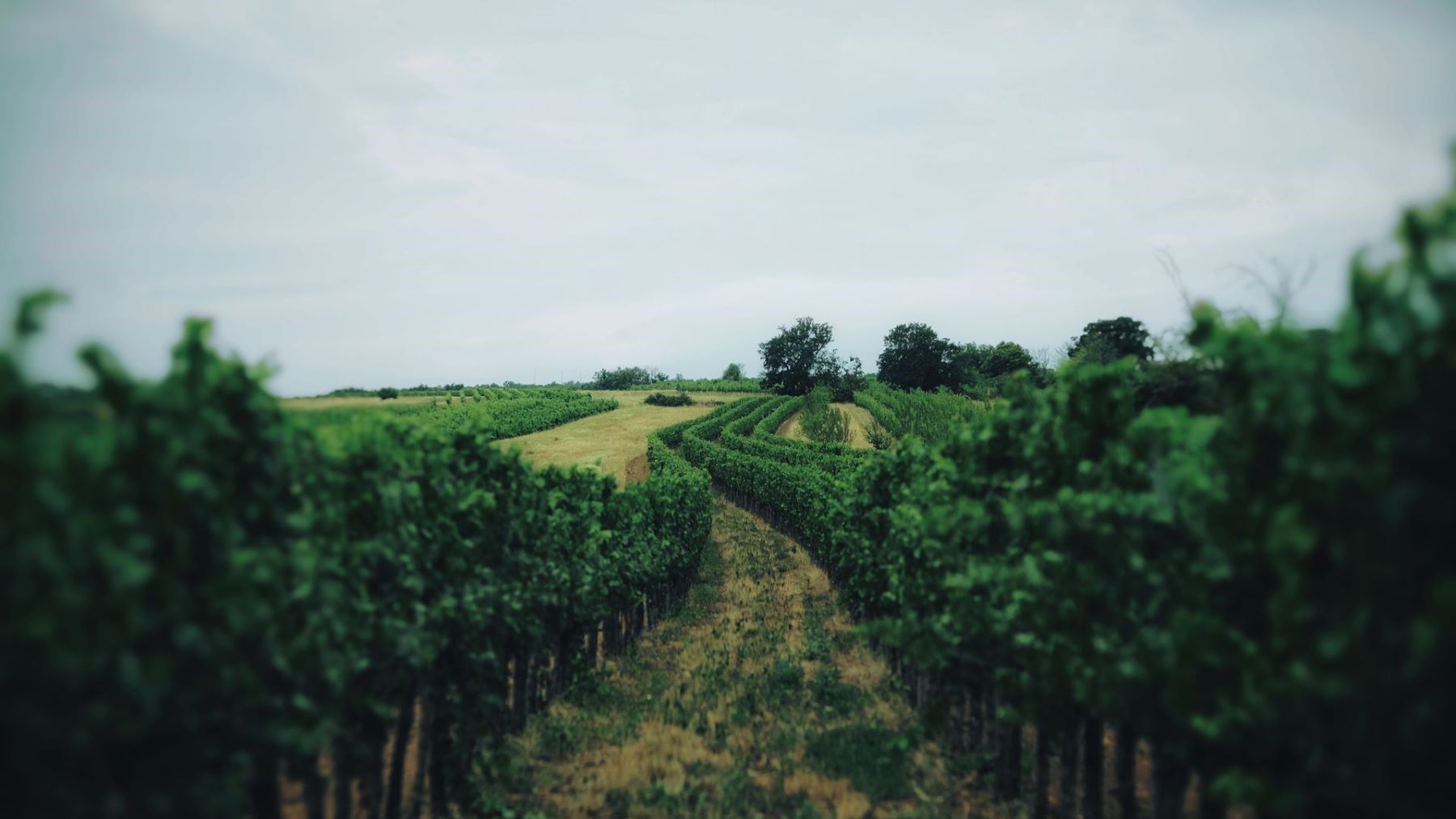
Vineyard and Climate Change: Global warming is pushing winegrowers to seek innovative solutions to safeguard their plantings. In Navarre, EVENA is testing vegetative covers and insect refuges to reduce agrochemicals and help the vineyard adapt to climate change.
These investigations, conducted in Navarre on the Baretón experimental plot in Olite, are part of the POLITA project, endowed with 1.1 million euros and co-financed by the European FEDER funds; it also counts on collaboration from research centers in France and Portugal.
The work will also take place in the cellars of nine micro-winemakings that will allow us to see how the different soil management practices influence fermentation and wine quality.
Vineyard and Climate Change
The Foral Government of Navarre, through the Navarra Station of Viticulture and Enology (EVENA), is testing vineyard adaptation practices to climate change in the international Polita project, together with other French and Portuguese centers.
This European initiative aims to promote biodiversity of pollinators and beneficial arthropods in agroecosystems to reduce agrochemical use in vineyards and improve the resilience of viticulture, according to the Foral Government in a statement.
With a total budget of 1.1 million euros co-financed by FEDER funds through the Interreg Sudoe program, the project will run until May 2028.
Within the framework of that international collaboration, EVENA leads the pilot tests and demonstration trials in Navarre, centralizing the experiences on its Baretón experimental plot in Olite.
Technicians and wine sector professionals in Navarre have been able to learn firsthand about the agroecological solutions implemented, such as the planting of vegetative covers between the rows of vines to protect the soil against erosion, enrich its fertility and serve as an ideal habitat for useful fauna and the installation of functional green infrastructures: botanically diverse perimeter hedges and insect refuges that act as natural counters to the vineyard’s traditional pests.
Over the past months, the EVENA technical team has carried out various field samplings to catalogue the type of arthropods and pollinators that are naturally present in each environmental cover.
Likewise, an experimental methodology based on the comparative analysis of bagged and unbagged bunches has been implemented, allowing a precise assessment of the direct impact of insects on flowering and fruit set success, determining how each soil management influences the plant’s biological performance.
During this first campaign of 2026 the differentiated harvest of the experimental plots has been successfully completed, and specifically, the grapes from the three soil-management variants evaluated in the project have been harvested: floral covers, traditional tillage and seeded vegetative cover.
From this material, EVENA has begun nine experimental micro-winemakings. The objective of this phase is to assess in the winery how the different biological vineyard practices influence the wine’s profile and the transfer of microbiota associated with arthropods in the wine’s fermentation and final quality of Navarre wines.
In addition to field trials, as indicated, EVENA focuses its efforts on directly transferring scientific results to the region’s wineries and viticulturists. Thus it has shared the first monitoring advances and has highlighted tools already available such as the ‘Illustrated Guide to Beneficial Arthropods’.
