
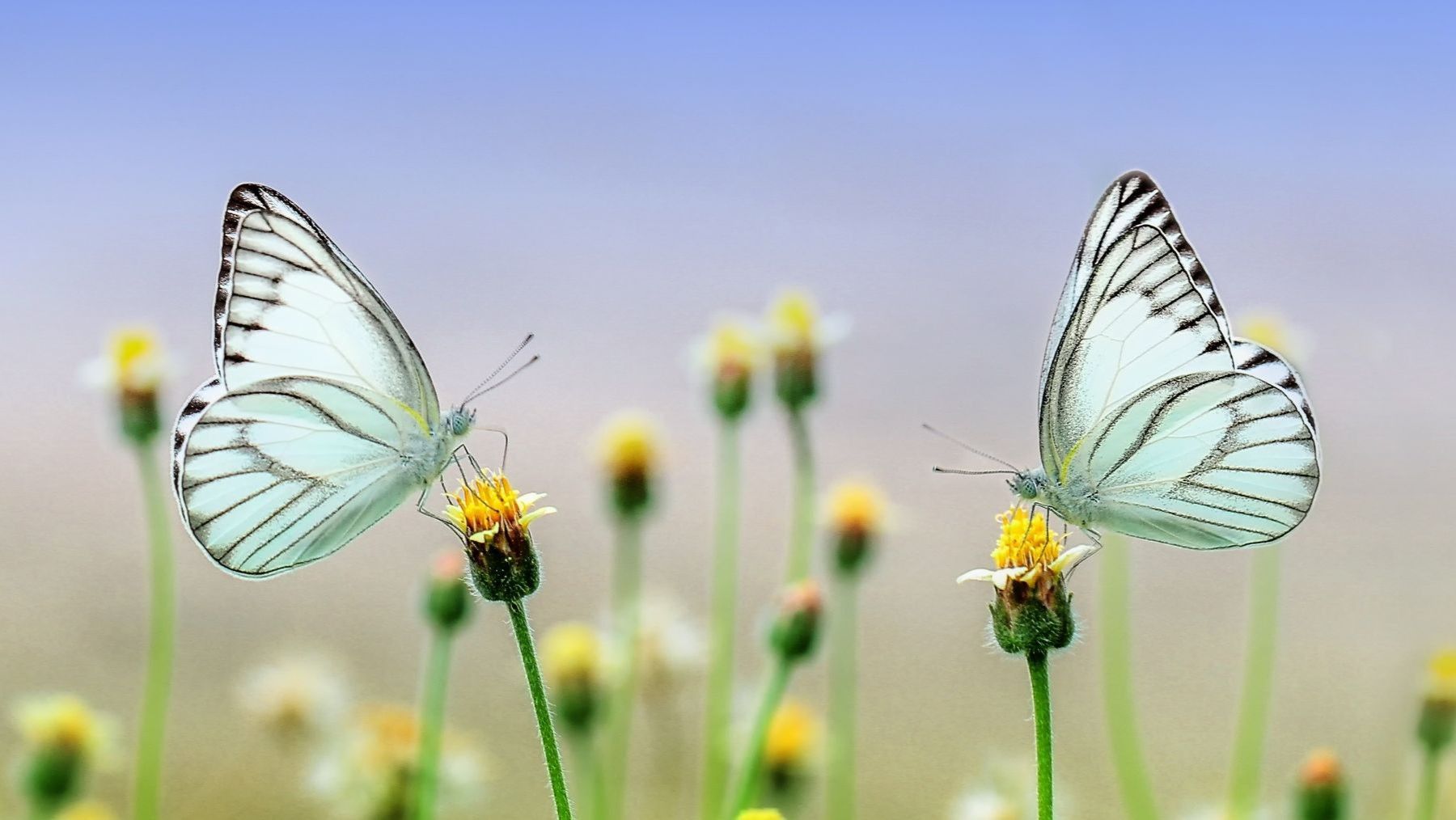
The protection of seven pollinator insect species came into effect on October 20: four bumblebees, two hoverflies, and a butterfly.
The biodiversity in Spain has received a new alert signal. Our country has expanded legal protection to include seven pollinator insect species that needed it: two hoverflies classified as ‘vulnerable’, four bumblebees that are endangered, and a butterfly that has been granted special state protection.
The measure, in force since October 20, 2026, evidences the delicate situation in which these pollinator insects find themselves, due to the reduction or fragmentation of their habitats, which is their main threat, but not the only one.
This update has addressed insects that are not always visible, but that fulfill very important pollination roles, and not only highlights the attention they require, but also how fundamental they are to the balance of ecosystems.
More pollinator insects that must be protected
Spain has expanded the legal protection of seven pollinator insect species due to their concerning conservation status, their strict ecological requirements, and their presence in areas with reduced or fragmented distributions, which jeopardizes their conservation and, therefore, their inclusion in state protection instruments.
The measure, newly enacted, has resulted in the inclusion of six species in the Spanish Catalog of Threatened Species (CEEA), four of them considered “endangered” and two “vulnerable”, while a seventh is added to the List of Wild Species under Special Protection (LESRPE).
These are four species of bumblebees (Bombus confusus, Bombus cullumanus, Bombus gerstaeckeri and Bombus inexspectatus), all found in the northern Iberian Peninsula and with a distribution tied to high-altitude areas, which have been catalogued as “endangered,” according to a note from the Spanish Association for the Protection of Butterflies and Their Environment (Zerynthia).
In the “vulnerable” category, two hoverfly species (Mallota dusmeti and Meligrama cingulata), commonly known as hoverflies, have been added to the Catalog, whose adults visit flowers and act as effective pollinators. These insects also hold significant ecological importance due to the remarkable diversity of life cycles in their larval stages.
Meanwhile, the Gentian Ant Butterfly (Phengaris alcon) is added to the List of Wild Species under Special Protection, marking its recognition as a protected species at the national level.
First step toward protecting them
This legal recognition constitutes a first step toward safeguarding them and underscores the need to address pollinator conservation and the monitoring of their populations from an integrated perspective.
In this regard, specialists emphasize the importance of considering not only the role of these insects in pollination, but also the diversity of their life cycles and their interactions with other organisms, essential aspects for the functioning and maintenance of ecosystems.
The update has been possible thanks to specialists from the Complutense University of Madrid, Salamanca, and Alicante, as well as from the Spanish Association for the Protection of Butterflies and Their Environment (Zerynthia).
Protect pollinators at all costs
The importance of preserving biodiversity at the insect level is fundamental for our food. The FAO indicates that more than three-quarters of all crops that humanity relies on for nourishment depend on the pollination of their flowers to reproduce.
This fact points to the variety of crops that rely on these pollinating insects, not to the volume of foods they produce, but it is essential to understand that a butterfly, a bee, or a bumblebee play roles of enormous importance for the entire planet and the beings that inhabit it.
