
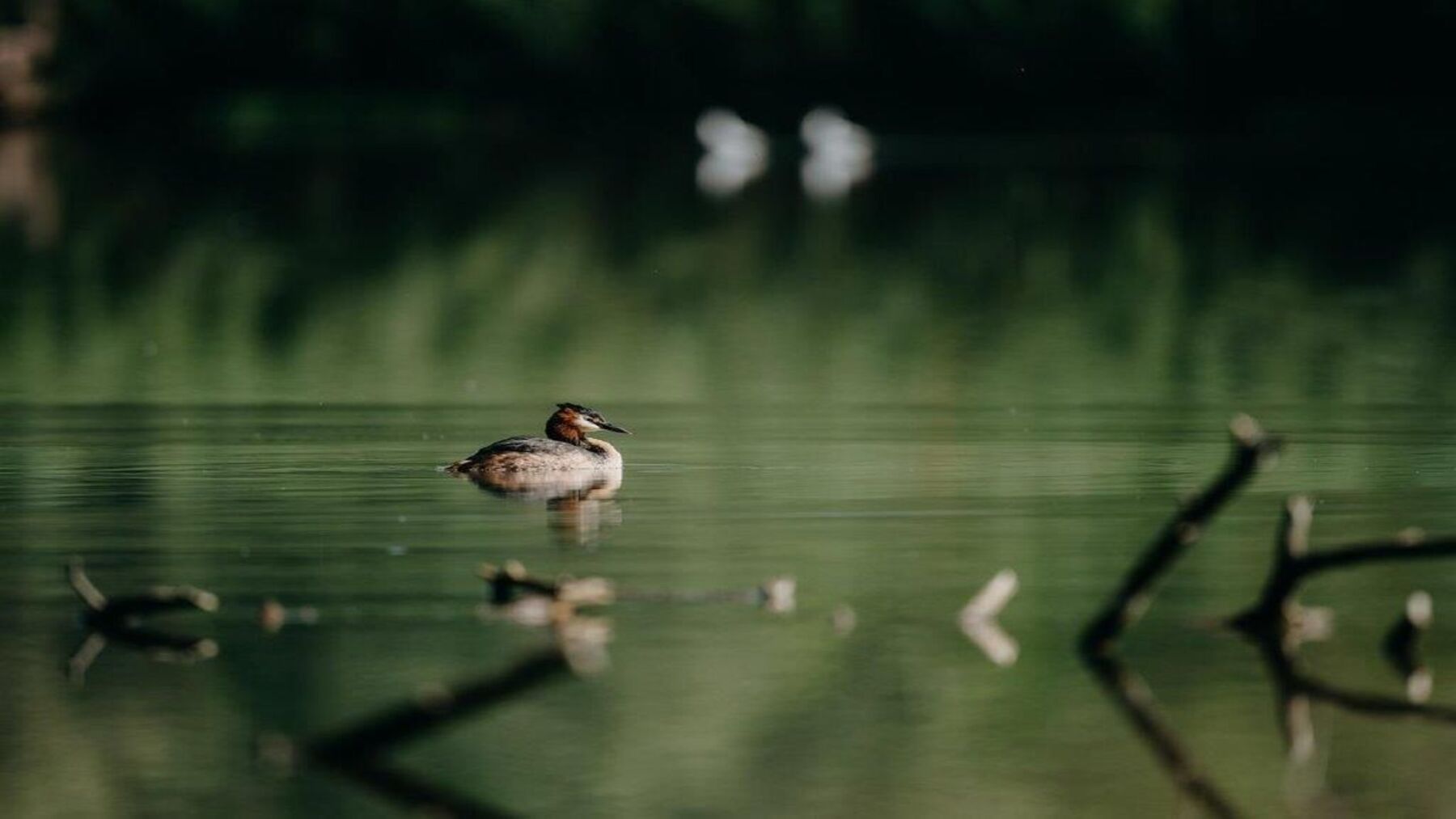
The Charca de Suárez, located in Motril, a town in the province of Granada, will soon become part of the Zone of Special Protection for Birds (ZEPA); it will be incorporated into the Natura 2000 Network with a plan that includes measures to protect and maintain the eight permanent lagoons of the wetland and to safeguard the habitats used by numerous birds as habitat.
This space is regarded as a biodiversity refuge and a strategic point for migratory birds, offering optimal conditions for feeding, resting and breeding.
Hence, this ZEPA designation will reinforce the conservation of the area so that those environmental quality parameters continue to be met.
The inclusion in Natura 2000, the main European network of protected areas, strengthens the environmental recognition of this site and its importance for biodiversity conservation. The decree formalizing the designation will come into force the day after its publication in the Official Bulletin of the Andalusian Government (BOJA).
The Charca de Suárez as a Bird Habitat
The Government Council of the Junta declared this Wednesday the Charca de Suárez of Motril (Granada) as a Zone of Special Protection for Birds (ZEPA), thereby integrating it into the European Natura 2000 Ecological Network and including it in the inventory of protected natural spaces of Andalusia.
According to the Junta of Andalusia, the declaration establishes measures to prevent the deterioration of this habitat, the most important wetland on the Granada coast and one of the few groups of freshwater coastal lagoons existing in Andalusia.
These actions aim to guarantee the survival of the birds, their resting and reproduction, as well as maintaining the natural conditions of the wetland.
Its location between the wetlands of western Almería and those of Malaga, including the Guadalhorce estuary and the Fuente de Piedra lagoon, makes it a nesting, overwintering and resting place for numerous migratory species.
Among the birds present are the moorhen, the brown-headed pochard, the cerceta pardilla, the crab-eating heron and the common bittern.
It also hosts species such as the common flamingo, the mallard, the great egret or the common egret, as well as raptors such as the marsh harrier.
In addition, the space meets ecological conditions suitable for the breeding of the white-headed duck and the cerceta pardilla, although these two species do not nest there at present.
As detailed by the Junta, the wetland is formed by eight permanent-water lagoons in the Motril-Salobreña plain, which are fed by the aquifer of the same name, on which their water level depends, and also receive inputs from irrigation returns via ditches and canals, as well as direct rainfall.
The new designation extends a conservation trajectory started years ago: five lagoons of the Charca de Suárez were declared a Concerted Natural Reserve in 2009. The other three —La Juncia, El Junco and El Álamo Blanco— lie on adjoining lands ceded to the Municipality in 2012. According to the Junta, the town has expressed interest in incorporating them into the reserve as well for territorial and ecological continuity, a broader expansion distinct from the ZEPA declaration now approved.
