
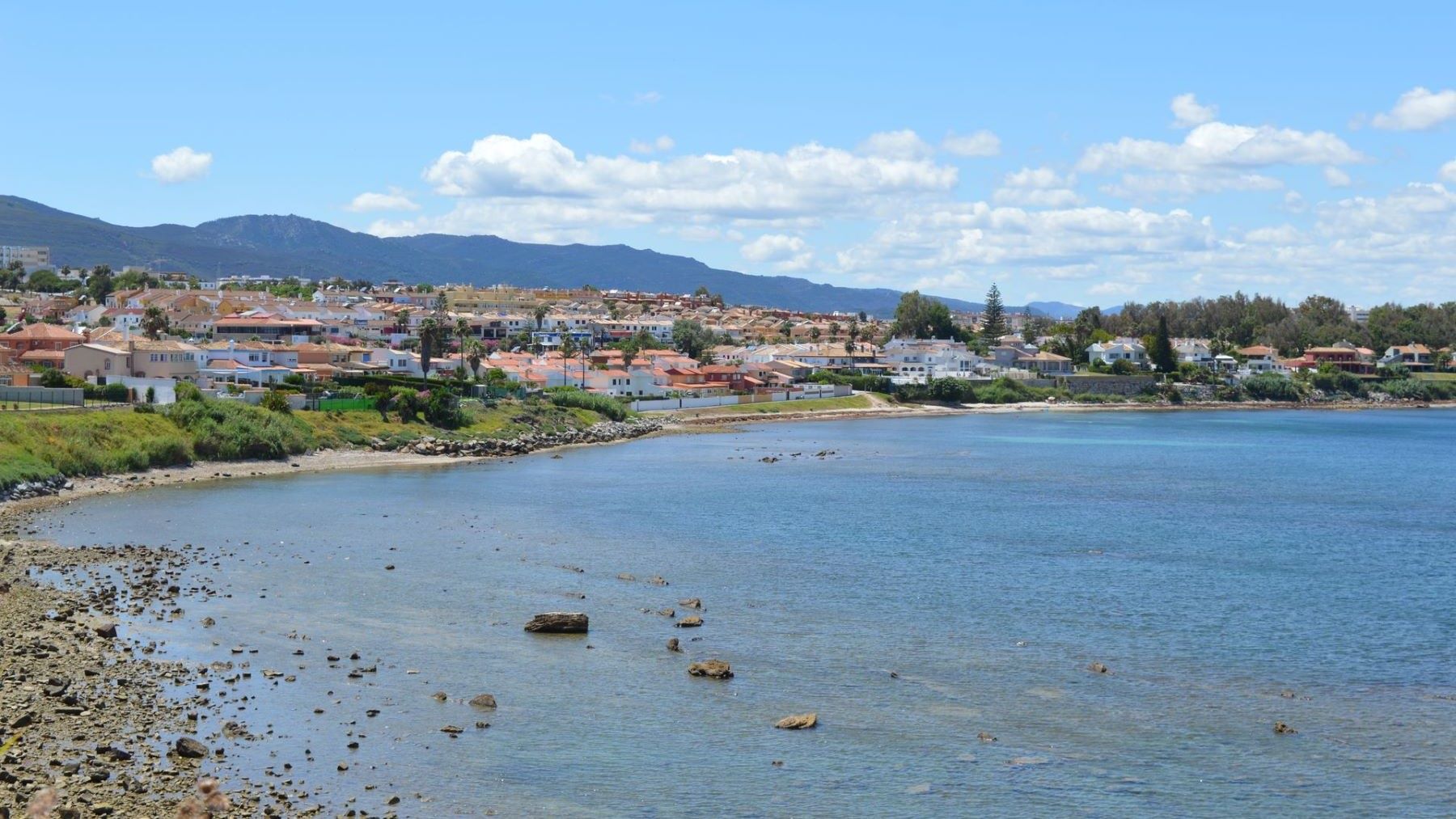
The protection of seas and coasts must become a priority for the next government; this is what the scientific community and environmental organizations are demanding, who in turn have presented a series of proposals that combine effective management of marine reserves with scientific research and a detailed inventory of the Spanish coastline.
From the IEO-CSIC they call for stronger ocean campaigns to identify threats such as ocean warming, rising sea levels and/or acidification, and to verify whether the measures being adopted are working or need improvements.
The proposals put forward by environmental organizations include restoring degraded marine habitats and boosting artisanal fishing; they also demand stronger measures to curb overfishing. At the same time, Oceana calls for protecting at least 30% of the Spanish marine space by 2030. The challenge is to translate legal protection into verifiable ecosystem recovery.
The protection of seas and coasts
Increasing protected marine areas or designing coastline inventories are approaches that, according to environmental experts, the next Government should consider among its climate plans for the conservation of seas and shores.
The end of the legislature has opened the door to a myriad of questions in the ecological realm. These groups ask, for instance, what political approach will be taken to protect seas and coasts in the face of warming and ocean acidification, rising sea levels, or shifts in species distribution.
In recent statements, the director of the Spanish Institute of Oceanography (IEO-CSIC), Rosa Figueroa, considers that «the conservation of national seas and coasts must be a long-term priority, supported by scientific knowledge and a holistic view of marine ecosystems».
Management and science plans
«To understand how our seas are changing, to identify threats and to assess the effectiveness of conservation measures, we need to maintain and strengthen long-term scientific monitoring programs», notes.
Figueroa sees it as «essential» to have «historical series of data, observation infrastructures and periodic oceanographic campaigns».
It is also a priority to «advance in the effective protection and restoration of marine ecosystems», especially those most vulnerable or degraded».
«It is not only about expanding the protected area, but about ensuring that protected marine areas have adequate management plans, scientific monitoring and measures that allow us to verify their effectiveness», she points out.
There are other issues that concern them. There is «the recovery of habitats essential for marine biodiversity»; the improvement of the assessment and management of the impacts of human activities on the ocean; while, «fishing, maritime transport, pollution or the various activities developed along the coast generate pressures that must also be analyzed jointly».
Coastline inventory
For his part, Sigfrido Herráez, dean of the Official College of Architects of Madrid (COAM), believes that in recent years there has been «considerable» progress in coastline protection.
Herráez laments that «in many areas, and now beyond remedy, there is a large amount of construction within the margin that the current Coast Law no longer allows; a built environment consolidated and historic because there are buildings with some value, even architectural».
He recalls that «natural heritage is as important as the built heritage» and believes it would be useful to prepare «a detailed inventory of the coasts —including lighthouses, natural elements, stones, trees— by specialists in order to have a very clear picture of what cannot be overridden».
For the head of Greenpeace’s Oceans campaign, Marta Martín-Borregón, «the areas protected at sea must continue to expand», the marine reserves to halt coast degradation and to increase resilience to climate change and extreme weather events.
That group advocates for «real protection, which increases biodiversity and improves the entire environment, all ecosystems and habitats present in the area and that generate benefits for fishing».
Among climate priorities, Martín-Borregón mentions «the promotion of artisanal fishing, low-impact and with high social value», with artisanal fishing as a key pillar for biodiversity and health».
From Oceana, the largest international organization dedicated exclusively to ocean conservation, they urge the future Government to protect «at least 30% of the Spanish marine space by 2030», ensuring effective management of protected marine areas, essential to recover habitats and species.
They advocate for «declar[ing] strictly protected marine areas (no extractive activities) that cover at least 10% of national waters», as well as «defending and applying» the Common Fisheries Policy in the interest of sustainability and long-term viability of fishing.
Oceana sees the urgency to «end overfishing, which reduces the sea’s productivity and increases the sector’s vulnerability to economic and climatic crises», and calls to «accelerate the transition to low-impact fishing and end illegal fishing», one of the greatest threats to marine ecosystems.
Every new measure should allow answering a simple question: what has improved since it is applied? To verify this, it would be useful to periodically publish indicators such as the state of habitats, the trends in species, and the compliance with the restrictions.
