
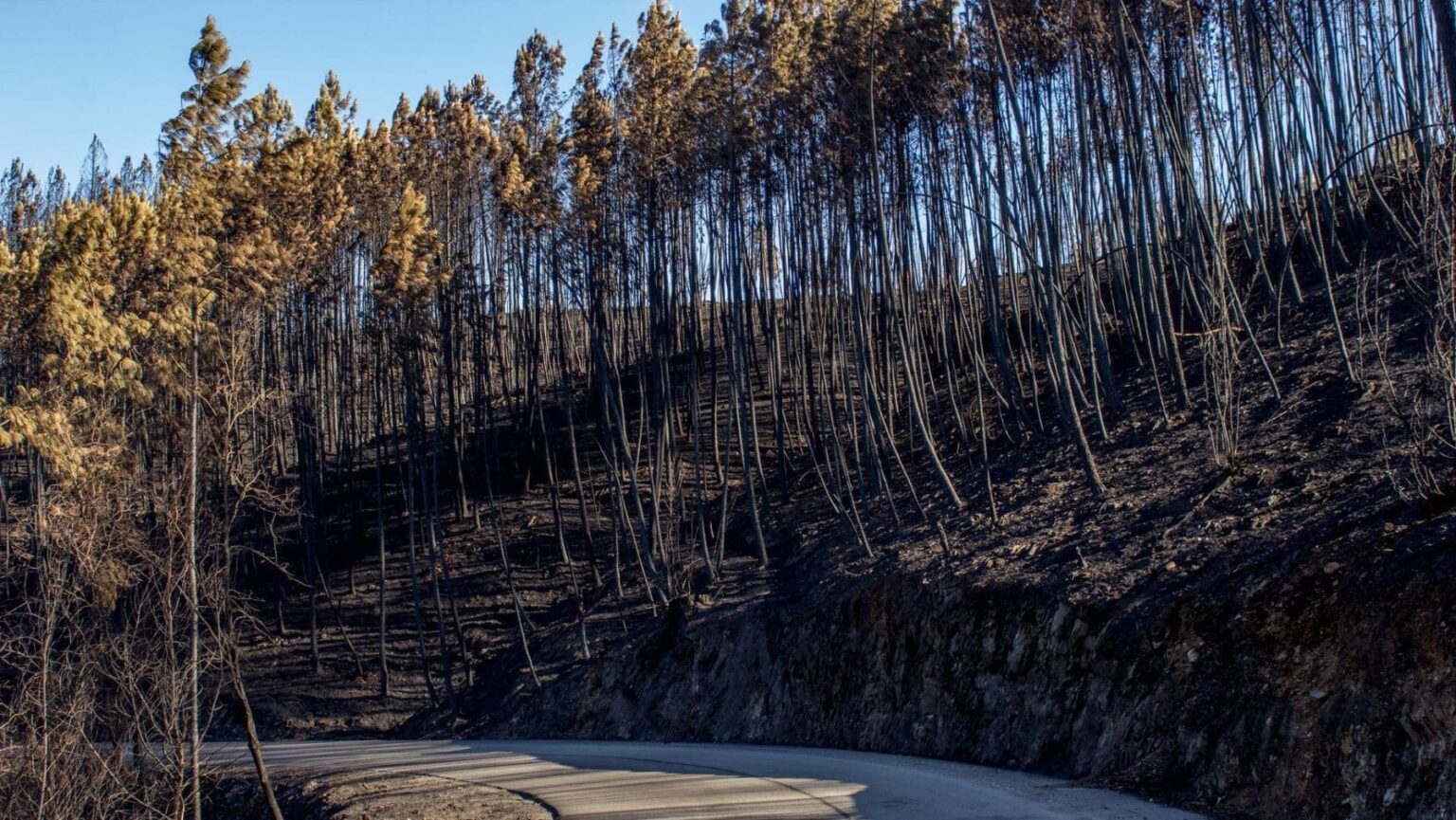
The initiative “Against Fire, Against Misinformation” distinguishes the causes that ignite fires from the factors that amplify their spread. Reforesta aims to bring knowledge and science into the debate about vegetation, rural abandonment, and forest recovery.
Misinformation About Wildfires
The misinformation about wildfires hinders identifying the causes and finding solutions, warns Miguel Ángel Ortega, director of Reforesta. The organization has launched “Against Fire, Against Misinformation”, a project that proposes 23 questions and answers about forests and fires and a mini-documentary divided into the same number of episodes for social networks to combat misinformation about wildfires.
The objective is to separate what starts a fire from what favors its spread with greater intensity. Ortega questions explanations that attribute the problem solely to rural abandonment or to the forest being “dirty,” and calls for analyzing human practices, the vegetation conditions, and the climatic context before forming diagnoses.
«Against Fire, Against Misinformation» also addresses livestock farming, herbivores, and the recovery of burned land. The director of Reforesta warns that natural regeneration can recover part of the vegetation, although rising temperatures and aridity may hinder that process. He argues that actions should be decided based on knowledge and by applying science to each environment and its needs.
Interview with the Director of Reforesta, Miguel Ángel Ortega
The problem of wildfires «is much more complex than most people think» but the ultimate cause «remains human action», aggravated now by misinformation, he stated in an interview with EFE, clarifying remarks on misinformation about wildfires.
«Now a lot of the blame is placed on rural abandonment, but that is not the culprit. In fact, it is driving forest recovery in many places», Ortega notes, who confirms human responsibility for these disasters «in 95 % of cases» based on his experience leading this organization, focused on fighting desertification and land and forest degradation since its founding 35 years ago.
Misinformation and lack of knowledge «stir up tensions even more», which is why Reforesta has launched a project called ‘Against the Fire, Against Misinformation’, combining a report with 23 questions and answers about forests and wildfires and a mini-documentary divided into the same number of episodes distributed through social networks.
This initiative seeks to delve into the real causes of fires, not the alleged ones, and to separate them from those that currently make these blazes more virulent, as is the case, for example, when facing a fire everyone says the forest is dirty, while the issue is far more complex, among other reasons, because there is no one to clean it up, if indeed there is a need to clean it up.
Available Reports
Ortega rejects generalized opinions, “bar-room gossip or debates involving people far removed from knowledge,” and points to the paradigm “the notion that environmental policies promoted by ecologists are responsible” for these events, which is not true, he insists, in line with available reports and misinformation about wildfires.
In fact, the latest report with concrete figures—dating from 2021—indicates that 53% of these fires were intentional; 30% were accidents and negligence; 11% were for unknown causes; 5% were due to lightning; and 1% occurred as a reproduction of previous fires, he recalls.
And of the intentional fires, 59% were linked to traditional uses, such as agricultural burning of stubble and scrub, a “clearing” of vegetation “so to speak,” and even the control of animals such as rabbits and wolves, cited exactly as such in the report.
In 2026, “two of the worst fires, Burgohondo (Ávila) and La Mierla (Guadalajara), began with the use of machinery,” he emphasizes, before lamenting that Reforesta has conducted an in-depth analysis of the legislation in half a dozen regions and “the only one that expressly bans the use of any type of machinery during periods of maximum fire risk is the Valencian Community.”
Reforesta Project
The Reforesta project covers other issues that considerably muddy the debate, ranging from the role of livestock owners to that of wolves and wild herbivores, or the possibility of exporting the model of the Soria pine forests, “because it is said that they never burn.”
Ortega notes that the worst moment for our forests, when they occupied the least area, happened at the end of the 19th century, while today there are more forests in Spain than in at least the last two or three centuries and the threats they face are not limited to fire, but must also include growing aridity and soil loss due to erosion and, with them, the rise of pests.
Regarding reforestation and misinformation about wildfires, most of the burned area each year is not reforested for several reasons, including the lack of sufficient financial resources, and moreover, nature itself can perform this work because our vegetation has long been adapted to coexist with fire.
Nevertheless, he warns that the gradual rise in temperatures as happened this year with a very hot September and little rain will make human intervention more necessary in the future.
To this end, the aim is to expand all possible information because if we do not make a correct diagnosis, we will obviously not find the solution to the problem of wildfires.
Forest Law
The recovery of burned land also benefits from legal protections. Article 50 of the Forest Law expressly prohibits changing its forest use for at least 30 years and carrying out activities incompatible with vegetation regeneration during the period established by regional regulations.
The law provides some expressly regulated exceptions and requires ensuring restoration conditions. Understanding this framework provides context for evaluating decisions after a fire and distinguishing them from investigations into its origin.
