
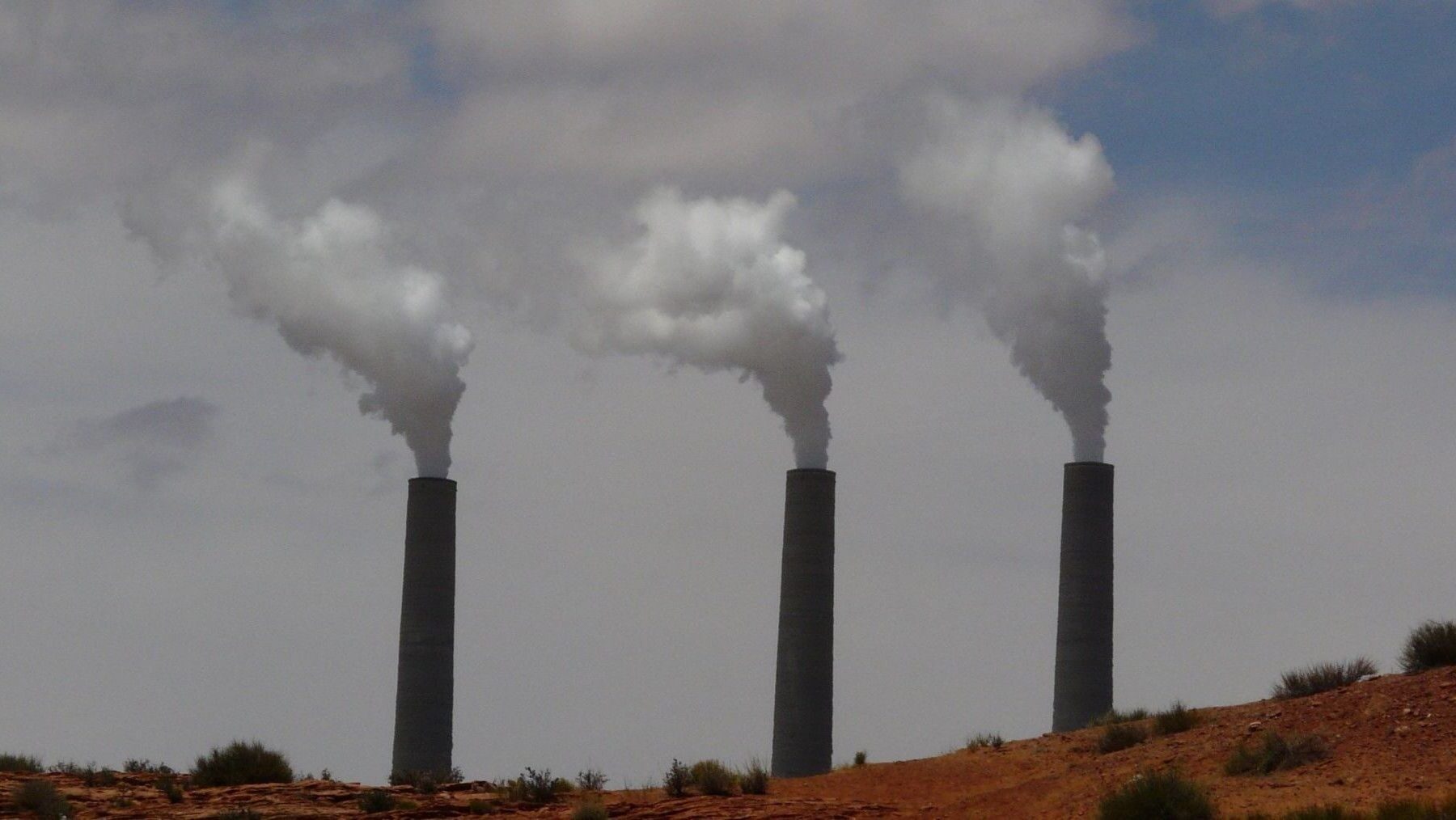
The debate over fossil fuels at COP31 faces the pressure to advance the transition, as producing countries such as Saudi Arabia resist accepting timelines that could threaten their revenues. Financing and global energy security will be the defining issues guiding the Antalya negotiations.
The phasing out of fossil fuels at COP31 will be tested as the extent to which oil- and gas-producing nations are prepared to move forward becomes clear. The European Union aims to solidify a transition commitment that was already agreed in Dubai. Yet the petro-states oppose mandating timelines they view as incompatible with their economies.
The dispute touches both the pace of phasing out fossil fuels and who will finance it. Producers demand more investment, new jobs, and alternative infrastructure before they begin reducing their dependence on hydrocarbons. From CAN Europe, they warn of negotiating gridlocks and urge electrification to advance, decisively reducing the use of fossil fuels.
That will be one of COP31 in Antalya’s pivotal points: replacing oil and gas with electricity only reduces emissions if the electricity itself is decarbonized. Gulf countries have a stake in renewables, and Greenpeace contends that their energy experience could contribute to a transition that protects workers and communities.
Fossil Fuels at COP31: Will They Say Goodbye or Not?
Oil- and gas-producing countries arrive at COP31 in Antalya (Turkey) facing the dilemma of accelerating the energy transition without compromising an economy dependent on hydrocarbons, amid EU pressure to push for the abandonment of fossil fuels and a war in Iran that brings energy security back into the debate.
The progress toward ending fossil fuels at COP31, which was agreed as a milestone at the Dubai Climate Summit (COP28), has shown little progress in the latest conferences, largely due to the hardening stance of several nations—such as Saudi Arabia—over climate finance for the least developed countries and the imposition of a strict timetable that threatens their economies without a viable alternative.
“It remains very problematic that a relatively small number of countries are blocking the negotiation process,” says Sven Harmeling, climate lead at CAN Europe, adding that more than 5,350 fossil fuel industry lobbyists have attended climate negotiations in four years, according to Kick Big Polluters Out (KBPO).
Striving for Renewable and Clean Electrification
In light of this gridlock, both Turkey and Australia—the first time a COP is co-chaired—have argued that this summit should be the electrification summit, targeting 35% by 2035 and to begin the end of fossil fuels at COP31. But the process of replacing fossil fuels with electricity as the energy source is expected to face resistance in negotiations.
“We need a very clear statement that electrification should be carried out, for the most part, without fossil fuels at COP31, because otherwise it would not be compatible with the climate efforts we need,” Harmeling says. That is why he urged pressure on countries and “to secure” that the EU include a very clear declaration that electrification “must move away from fossil fuels.”
Are Net-Zero Emissions Feasible?
Only a month before COP31, Saudi Energy Minister Abdulaziz bin Salman publicly stated that a net-zero scenario is, in reality, “a la-la land” (a fantasy world) that has been “created” by the International Energy Agency.
Responding to this statement, environmental and oil expert Feras Al Salem, president of the Kuwait Business Council, agrees, noting that from the perspective of major oil and gas producers, “a rigid roadmap that requires halting all new oil and gas exploration and production projects immediately is unviable” and disconnected from current global consumption trends.
“Those who advocate this stance on fossil fuels at COP31 argue that artificially ending investments in fossil fuels before alternative infrastructures are sufficiently developed would trigger catastrophic energy shortages, a sharp rise in costs for developing countries, and economic instability,” he says.
The Reality of the Petro-States
These petro-states, concentrated around the Persian Gulf, advocate for a “two-track reality,” says Al Salem, proposing “a framework that considers energy security, economic growth, and climate sustainability as interconnected objectives.”
Moreover, according to the Kuwaiti expert, calls to end dependence on fossil fuels “have not been accompanied by sufficient investments in renewable energy infrastructures,” especially in economically less-developed countries where access to finance is harder and which account for the majority of energy demand growth.
Another country that has argued this year for increasing its capacity and volume of oil production is Iraq. For this country—whose economy depends largely on crude—this means “using current oil revenues to invest in productive infrastructures and a reliable electricity supply,” says Ahmed Gailani, an international energy expert who works extensively on Iraq.
“The transition must generate alternative sources of employment, public revenue, and economic activity, while maintaining essential services,” he notes, and recalls that COP28 recognized that the transition away from fossil fuels must be just, orderly, and equitable, taking national circumstances into account.
Meanwhile, Greenpeace Middle East and North Africa director Ghiwa Nakat notes that, with their experience, Gulf countries in the energy sector have the “opportunity to lead” this energy transition that is “just” and that “protects workers and communities.”
Despite these potential sticking points on fossil fuels at COP31, Harmeling believes the EU is “trying” to find a strategy to engage with the petro-states.
“It is not only about creating opposing blocs and fighting one another. There are also other avenues through which Saudi Arabia and other countries could join certain efforts. There are areas where we need to cooperate,” he says. The Gulf countries also “have an interest in renewable energies,” he concludes.
What About Capital Flows?
The economic dimension of this negotiation to end fossil fuels is already reflected in capital flows. The International Energy Agency foresees global energy investment of $3.4 trillion in 2026, of which about $2.2 trillion would be directed toward supporting renewables, nuclear, grids, storage, efficiency, and other technologies linked to the transition.
In the breakdown, $1.2 trillion would go to oil, gas, and coal, showing that the transformation is advancing and that hydrocarbons continue to attract large investments: the Antalya agreements must translate into real decisions that alter the situation in the coming years.
