
Of the bugs that appear in the home and that this guide covers, only mosquitoes and ticks are included in the vector surveillance plan of the Ministry of Health, the one that follows animals capable of transmitting diseases. The silverfish, the earwig, and the scutiger are of little concern for people; moths spoil clothing and food, and cockroaches are a source of allergens linked to childhood asthma. The bed bug does bite, although the US CDC notes that it is not known to transmit diseases.
ECOticias did not find a public-facing guide about house insects in the Ministry of Health or in the National Museum of Natural Sciences (CSIC), so the descriptions come from university and US agency fact sheets, and the presence of each species in Spain from GBIF, the World Biodiversity Inventory. They represent the more domestic portion of the fauna that shares our territory.
If you see one in front of you, size is the first clue. From smallest to largest, by body size:
| Bug | Size and appearance | What problem it causes | Where to look for it |
|---|---|---|---|
| Drain fly | 3 mm, fuzzy wings | Does not bite | Drains |
| Argentine ant | 3 mm, dull brown | No bite described | Sugar residues |
| Bed bug | 5-7 mm, reddish brown | Bites | Near where you sleep |
| Clothes moth | 6 mm at rest | The larva damages fabrics | Wool, furs and felt |
| Silverfish | 1.3 cm (up to 1.9) | Generally harmless | Moist places, paper |
| German cockroach | 1.3 cm, light brown, two dark bands | Allergens | Kitchens and bathrooms |
| Earwig | 1.9 cm, with pincers | Can bite if caught in clothing | Enters from outside seeking shelter |
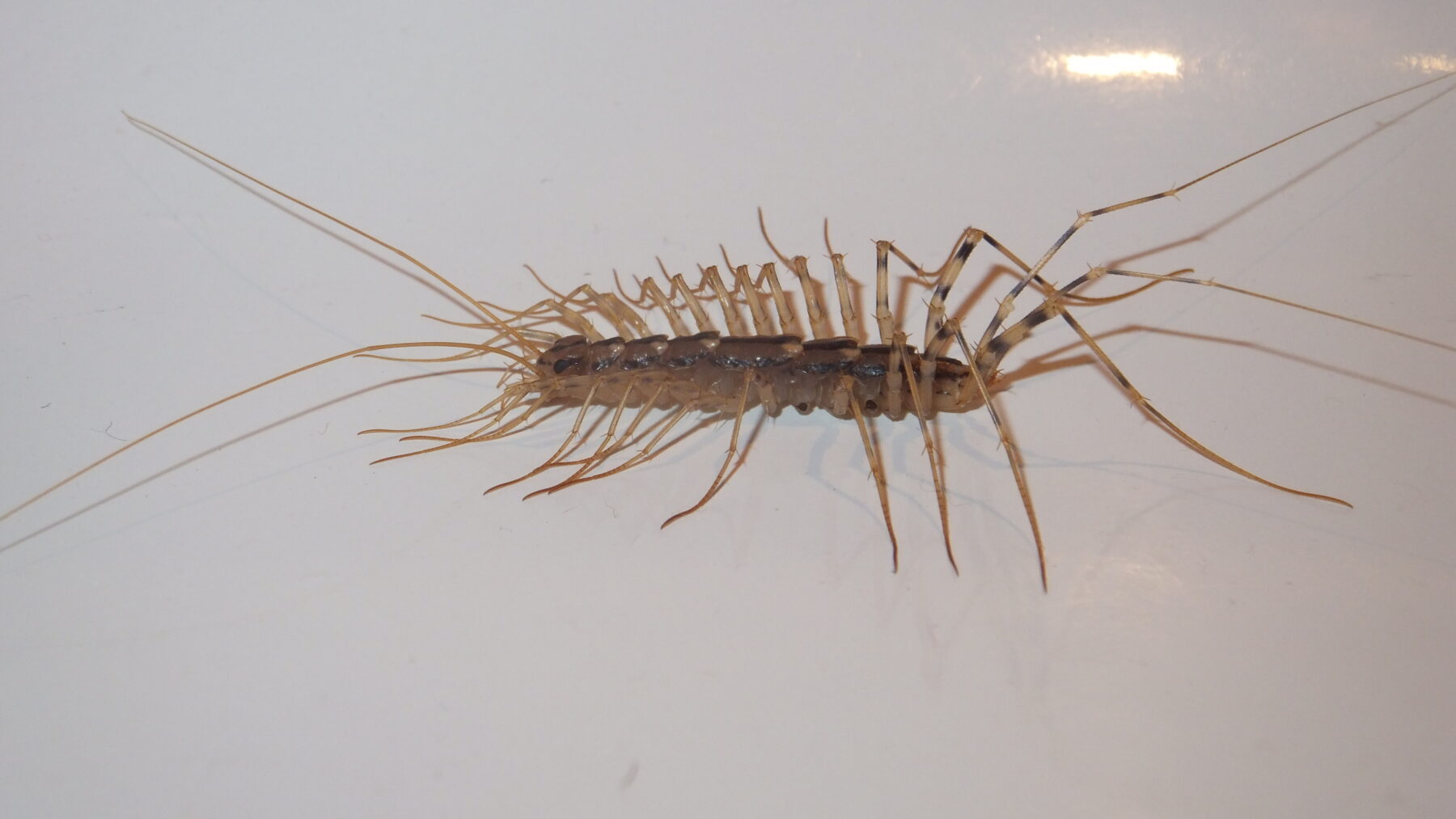
| Scutiger (house centipede) | 2.5-3.8 cm body, up to 10 cm with legs | Harmless overall | Where it hunts silverfish and cockroaches |
| Oriental cockroach | 3.2 cm, almost black | Allergens | Garages, basements and drains |
| American cockroach | 5.1 cm, reddish brown | Allergens | Warm and humid areas |
If the underlying problem is moisture, the suspects on this list are the silverfish, the Oriental and American cockroaches, the drain fly, and, within wood furnishings, the powderpost beetle (carcoma).
Violin spider, few cases described and a venom to consider
The Mediterranean violin spider (Loxosceles rufescens) is common (GBIF collects 2,375 records of it in Spain), but loxoscelism, the condition caused by its bite, is rare in the Mediterranean. A study published in Toxicon in 2015 found that the activity of the key venom enzyme is comparable to that of American species with bites of medical importance, and the authors suggest treating it as medically relevant until cases are confirmed.
For the rest of house spiders, the University of California, in a sheet about species from there, reminds that most are not dangerous and that injuries are often attributed to spider bites without evidence: bites from bed bugs, fleas or mosquitoes are confused with spider bites. A simple vacuuming or removal is enough, and a strong or unusual reaction, with increasing pain or extreme swelling, should be seen by a doctor.
Silverfish, harmless and friend of humidity
The silverfish (Lepisma saccharinum, not saccharina, as GBIF corrects) measures about 1.3 centimeters and can reach 1.9, according to the University of California. It has no wings, is nocturnal, can go months without eating and lives about three years. It feeds on paper, starch, bindings and fabrics, and also cereals and flours, but Ohio State University considers it generally harmless and places its preferred relative humidity between 75 and 95%. Control starts with a dehumidifier, ventilation and repairing leaks, with adhesive traps and vacuuming; insecticides are reserved for severe infestations.
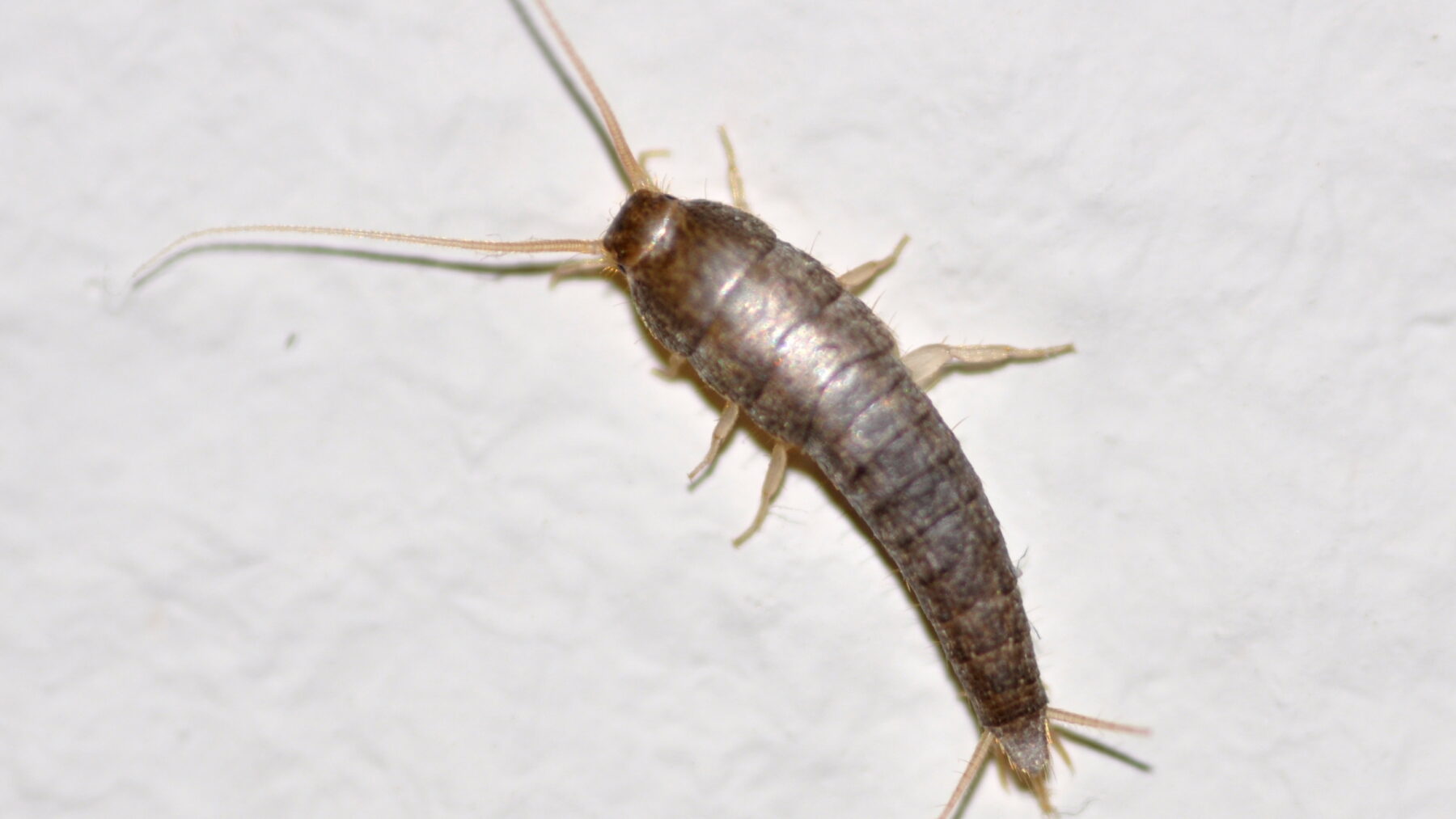
It is worth keeping an eye out, since another silverfish, Ctenolepisma longicaudatum (gray and with a long tail), has become a common pest in European homes and the usual strategy fails with it, according to a study published in Insects in 2021. GBIF records in Spain show more entries for this species (230) than for the classic one (199). What circulates about its spiritual meaning has no scientific basis. More about its habits can be found in this piece about silverfish at home.
The bed bug does bite
The adult bed bug measures 5 to 7 millimeters, like a apple seed, and becomes brownish red after feeding, according to the US EPA. Its bites are not useful for identifying it, because they cannot be distinguished from mosquito, flea or spider bites (University of California) and may appear one to several days after being bitten, up to 14 in some people (CDC). They are betrayed by molts, rust-colored blood stains and a sweet odor, and tend to live within about 2.4 meters of where you sleep.
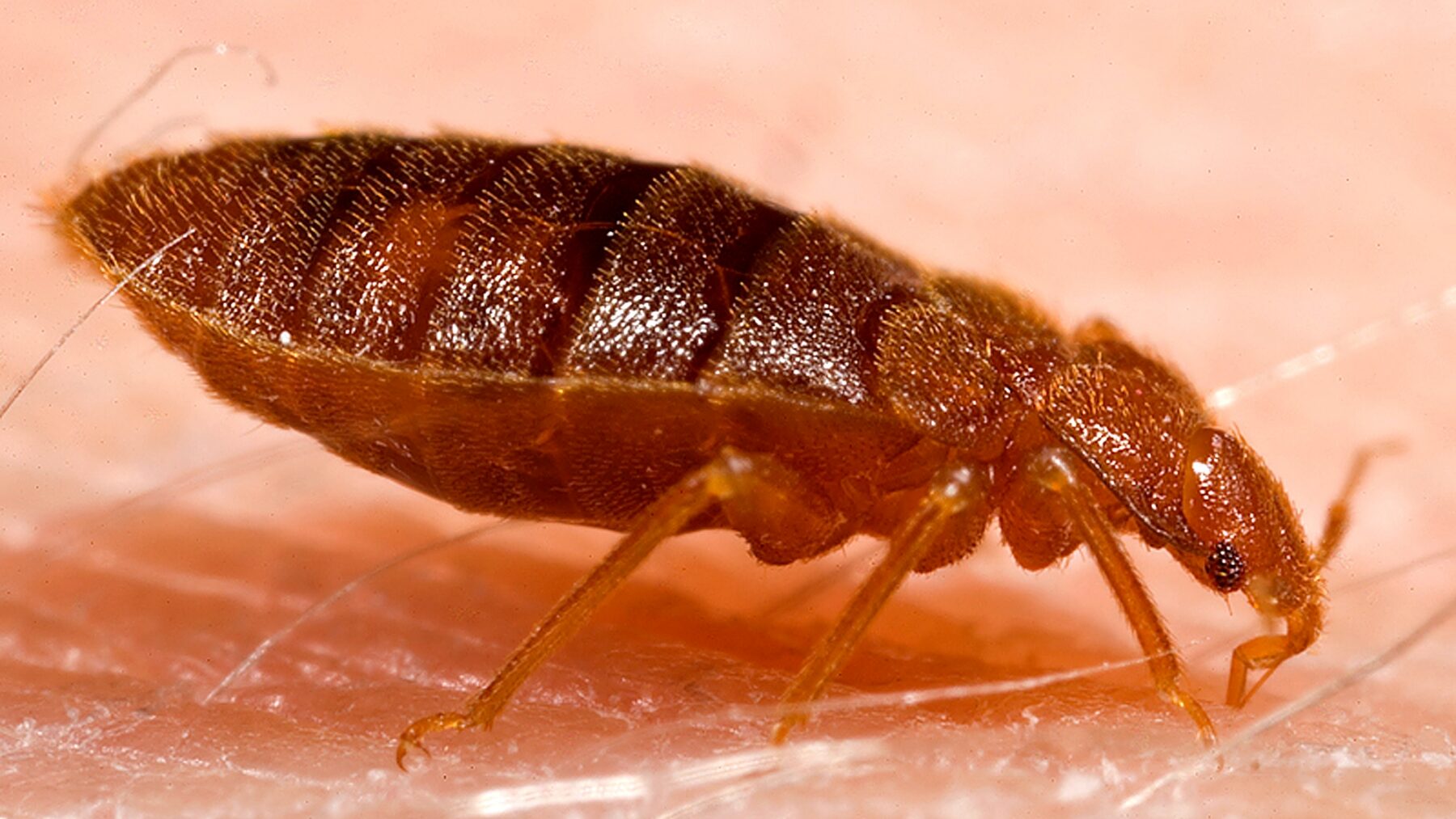
They travel in suitcases, clothes and furniture, especially second-hand items, and can survive for months without feeding. Total-release aerosols, the so-called bombs, do not work and can harm those living in the home; with a confirmed infestation, the University of California recommends a professional. More detail in another ECOticias piece about bed bugs.
Which cockroach do you have: German, American, or Oriental
All three are listed in GBIF for Spain, and the California university fact sheet distinguishes them by size and location. The German cockroach is the smallest (1.3 cm, light brown with two dark bands behind the head) and lives in kitchens and bathrooms; the Oriental cockroach (3.2 cm, almost black) in garages, basements and drains; and the American cockroach (5.1 cm, reddish brown) in warm, humid areas.
None is wholly harmless, since indoors they are a source of allergens and are associated with childhood asthma. Before turning to poison, control should focus on cleaning, storing food in sealed containers, repairing leaks and sealing cracks, and sticky traps help identify where they congregate (boric acid sold as a home remedy appears in that sheet as a powder insecticide). Sprays and bombs can scatter cockroaches without killing them; if an insecticide is necessary, baits work best, and for severe infestations the sheet points to contacting a professional.
The “water cockroach”
In the United States, that sheet notes that the Oriental is sometimes called a water bug. The giant water bugs (Belostomatidae) mentioned in an ECOticias episode from Argentina are another creature, and GBIF records show no living specimens in Spain: only three fossil records of that family in Spain, from the Las Hoyas and Bellver de Cerdaña localities.
Earwig and house centipede scare more than they do
The earwig (Forficula auricularia) carries pincers, but the University of California states it is not harmful to people: it rarely bites and only if it gets trapped in clothing. It enters seeking shelter when the outdoors is too hot, cold or dry. A portion of the population overwinters buried in the ground, in pairs, just like animals that hibernate. Simply sweep or vacuum and seal gaps, without indoors insecticides.
The scutígera (Scutigera coleoptrata), the house centipede, is more impressive: 15 pairs of legs, a pale yellow body with three dark bands and up to 10 centimeters long counting legs and antennae. Pennsylvania State University regards it as harmless and notes that it preys on silverfish, cockroaches and spiders, a service that brings it closer to helpful insects, even if it is not technically an insect.
Regarding whether it bites, the University of California explains that some large centipedes can give a painful bite if provoked, with swelling, color change or numbness in the area, and that pesticides are almost never warranted. Unlike the centipede, which has one pair of legs per body segment and moves quickly, the millipede curls up and does not bite. This is expanded in our piece about the domestic centipede.
Clothes moths and pantry moths, and the carpenter beetle
Seeing moths at home can point to two different problems. For the clothes moth (Tineola bisselliella), the damage is done by the larva, which eats wool, furs and felt, and the University of California suggests washing the garment, if the fabric can withstand it, for at least 20 to 30 minutes at 49 °C or higher, or freezing it for several days below -8 °C, then vacuuming the corners of the wardrobe and using pheromone traps to detect it.
The pantry moth (Plodia interpunctella) targets flours and cereals, and its larvae leave silk threads in the packaging. It is controlled with hermetic containers (bags alone are not enough), freezing the flours not used much, and discarding affected packages. The university sheet does not recommend insecticides and warns that with heat and humidity, mycotoxins can appear.
Powderpost beetles group several beetle larvae whose larvae bore into wood. The University of California distinguishes three groups that damage furniture and beams, and one of them is the Anobiidae, which the National Museum of Natural Sciences dedicates Volume 2 of Fauna Ibérica to. In these, each generation lasts about two years and they prefer wood with more than 14% moisture.
Drain fly and Argentine ant
The drain fly, with furry wings folded into a roof, does not bite. It breeds in the organic film that forms inside drains, with a cycle of 8 to 24 days, and that is why the University of California insists on scraping and brushing the pipe: neither boiling water nor bleach eliminates that film, and insecticides only provide temporary relief.
The Argentine ant (Linepithema humile) enters when it is very hot or dry outside, or when the ground is flooded, and it comes seeking sugars. The same university does not describe it as a biting species and recommends sealing entry points, cleaning sugary residues, erasing their trails and using baits outside.
Tiger mosquito, common mosquito, and ticks: those monitored by Health
The Ministry of Health’s entomological surveillance report, published in March 2026 with 2024 data, detected the tiger mosquito (Aedes albopictus) in 193 of 431 monitored municipalities (199 in 2023). It was identified in Spain for the first time in 2004, in Catalonia, and in Galicia only in 2023. It is recognized by its white and black stripes and a line of silvery scales down the center of the thorax; it bites by day and shows little activity below 9 °C, according to the European Centre for Disease Prevention and Control, which in a 2016 factsheet listed it as a confirmed transmitter of chikungunya, dengue, and dirofilariosis.
The common mosquito (Culex pipiens) is, according to the report, the most widespread Culex in Spain. Health associates that genus with West Nile fever, which is the main arboviral disease detected in the country. There are about 40 tick species; one of them, Rhipicephalus sanguineus, is widespread, prefers dogs and transmits Rickettsia (Mediterranean spotted fever), although Health gives it less public health interest than other genera.
When to call a professional
The cited sheets advise seeking a professional especially in cases of a confirmed bed bug infestation or a severe cockroach infestation, and also for treating wood with powderpost beetles, where the University of California notes that certain insecticides can only be applied by a licensed operator. Anyone applying biocides for professional use must have training, according to Royal Decree 830/2010, and services that treat third parties must appoint a technical manager. Those services must also be registered, before starting, in the Official Registry of Biocidal Establishments and Services (ROESB) of their autonomous community, the bases of which are set out in Order SCO/3269/2006 that the Ministry includes in its biocides regulation. Before hiring, ask the company to prove this registration and the name of its technical manager.
