
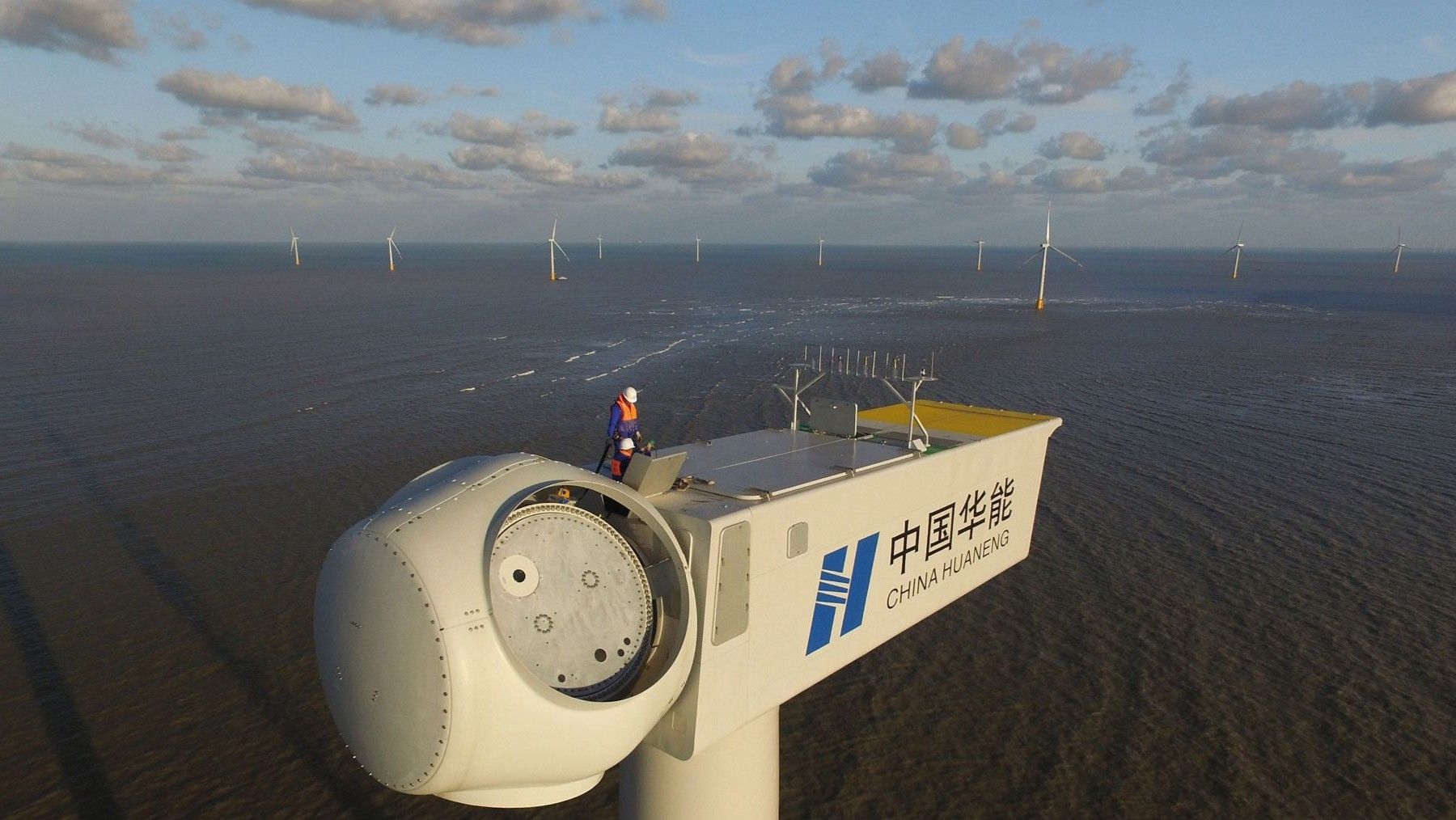
China at COP31 will defend its clean exports against trade barriers, but its coal expansion reveals a contradiction: building the energy transition is not enough to lead it.
China at COP31: coal and green technologies
China at COP31 will argue for allowing the continued marketing of its clean technologies, but the position runs into a significant contradiction: it is a powerhouse in renewables, yet also the world’s largest emitter of CO2. Beijing seeks to break down barriers to its products, but climate leadership also requires reducing its reliance on coal.
The delegation led by Vice Minister Li Gao arrives in Antalya with a defense of multilateralism and an open trading system. Their argument links the circulation of solar panels, batteries and electric vehicles to the acceleration of the energy transition.
China’s contribution to renewables is undeniable, but selling green technology does not grant environmental immunity. Both China and its rivals must account for the emissions they plan to cut, the industrial interests they protect, and the commitments they are willing to fulfill.
Clean technologies: a climate opportunity and a strategic business
China’s stance at the COP31 blends diplomacy and industry. Li Gao calls for addressing the trade barriers that, according to Beijing, hinder the transition. Along with insufficient emission reductions and pending financing, he places unilateralism and protectionism among the challenges.
It is not a position detached from economic interests. According to the analyses cited by Carbon Brief, clean technologies accounted for 16% of China’s net export growth in the first half of 2026. Clean energy contributed one third of GDP growth in 2025.
That connection does not invalidate the environmental benefits tied to exports. It demonstrates that the transition is also capable of reorganizing markets, employment and industrial power. The question at stake is whether that competition facilitates more accessible decarbonization or ends up subordinating climate decisions to the defense of trade quotas.
Washington and Brussels denounce subsidies they deem unfair; Beijing questions tariffs and restrictions. They are opposing positions that require evidence and negotiation, and China at the COP31 will address them. Governments must justify their measures without using the climate as a showcase: protecting a national industry does not by itself guarantee protecting the atmosphere.
Electrifying more does not erase the coal bill
China’s stance at the COP31 fully supports electrification. Beijing plans to raise electricity to 35% of final energy consumption by 2030, up from 30% in 2025. It is a major bet with the aim of transforming energy uses.
Li argues that Turkey’s proposal for a global electrification level of 35% by 2035 is compatible with its policies, but he calls for attention to national differences. The challenge is to turn this consensus into concrete measures that replace fossil fuels and rely on electricity with a lower carbon intensity.
External contribution is significant. An analysis by CREA published in Carbon Brief estimates that the clean technologies exported by China in 2026 could avoid around 450 million tonnes of CO₂ annually if the observed trends continue. It is a conditional estimate, not a guaranteed outcome.
Recognition must coexist with the demand. Although coal loses relative weight in electricity, that alone does not automatically prove a drop in absolute emissions. The volume produced, the demand and the utilization of the plants matter.
Leadership is demonstrated by commitments, not by diplomatic prominence
China at the COP31 must also face expectations on funding and cooperation. In Belem it supported, alongside emerging economies, the demand to triple adaptation finance and rejected unilateral trade measures. That continuity allows us to anticipate its priorities, but it does not guarantee the negotiation outcome.
Kate Logan, from the Asia Society Policy Institute, suggests that Beijing could leave other developing countries to drive financing and reserve a mediating role at the end. It is an expert interpretation of its strategy, not an official decision that can be taken as confirmed.
The test for China at the COP31 will be its ability to link its technological capacity to greater domestic ambition and effective cooperation. Its competitors face the obligation to demonstrate that their industrial and trade policies will help them reduce emissions. The planet needs results, not a competition of virtuous diplomatic certificates.
