
A loaf of bread from the day before yesterday, half a Sunday-roasted chicken, and two zucchinis that are starting to wrinkle. With that, almost any home in Spain feeds itself, and not by chance: many dishes in the traditional repertoire are cooked precisely with what’s left over. Migas, garlic soup, ropa vieja, torrijas, pisto, and croquettes are recovery recipes that continue to be made because they work.
What follows are fifteen of them, arranged by what’s left in the fridge, which is how you truly look for ideas when you open the door and don’t know what to do.
When what’s left is bread
Stale bread is the grande protagonista of the reuse kitchen. Nearly every region has its own way of giving it a second life.
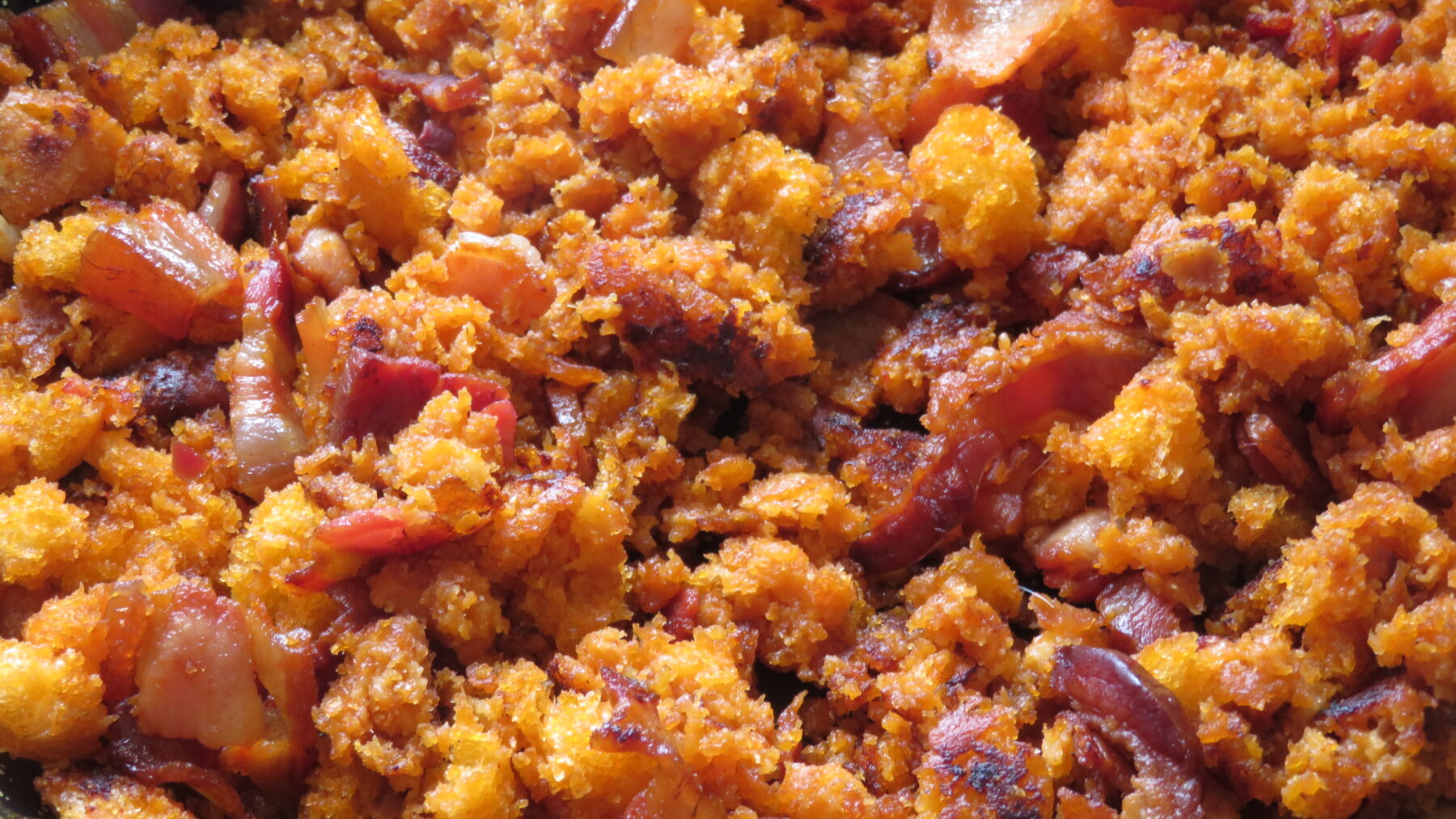
- Migas. Bread from the previous day cut thin, moistened with water and salt and covered with a cloth for a few hours. Then, to the pan with oil, garlic, and whatever you have: chorizo, bacon, peppers. The trick is to stir without stopping and with patience until the pieces become loose and fluffy.
- Sopa de ajo. Oil, sliced garlic, paprika, slices of stale bread, and stock or water. Some people poach an egg on top at the end. It uses very few ingredients, almost all pantry staples.
- Torrijas. Thick slices of stale bread soaked in milk with cinnamon and lemon zest, dipped in egg and fried. They’re associated with Holy Week, but they work any month when a loaf is leftover.
- Salmorejo. The day-old bread gives body to this cold cream of tomato, olive oil and garlic. With soft bread it doesn’t come out the same.
- Pan rallado casero. It isn’t a dish, but it closes the circle: bread that’s no longer good for anything is dried in the oven, ground, and stored for breading or for croquettes.
When what’s left is meat or fish
- Ropa vieja. Leftover meat from a boiled dish, shredded and sautéed with onion, pepper and tomato. Some homes add the chickpeas from the same pot.
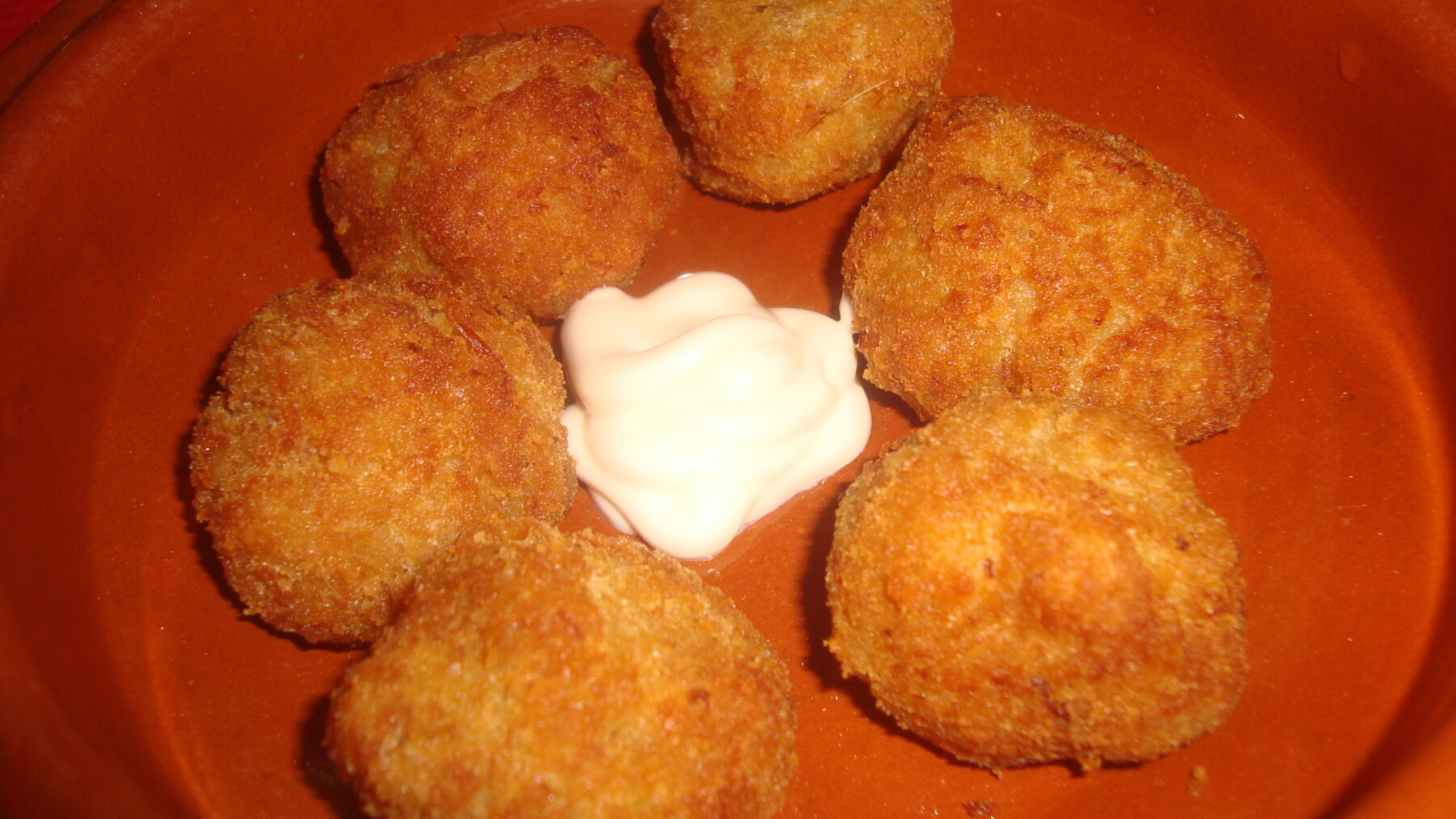
- Croquetas. Roast chicken, ham, leftovers from a boiled dish or fish, finely chopped and mixed with a thick béchamel. The dough must chill for several hours before shaping. For those who don’t consume cow’s milk, there’s a workable version: croquettes made with oat drink.
- Canelones. The leftovers from the roast, chopped with a bit of onion and foie or liver, are the classic filling for cannelloni made in Catalonia on Saint Stephen’s Day.
- Pimientos rellenos. Any leftover meat or fish, with a bit of rice or béchamel, serves as stuffing for peppers to bake.
- Empanada. Tuna, chicken, or meat from a previous stew, with a generous sofrito, tucked under a pastry lid.
When what’s left is vegetables, rice, or fruit
- Pisto. Zucchini, pepper, onion, eggplant, and tomato, slowly cooked in olive oil. It’s a good way to use vegetables that have lost firmness but are still in good shape. With a fried egg on top, it makes a meal.
- Omelette with whatever there is. Potatoes, spinach, leftovers of pisto or roasted vegetables. If you can set it with egg, that’s ideal.
- Rice baked dish or rice croquettes. Yesterday’s rice doesn’t reheat well as-is, but it does when baked with stock and meat scraps, or when formed into small breaded croquettes.
- Vegetable creams. Leeks, carrots, pumpkin, or the outer leaves of a cauliflower, cooked and blended. A drizzle of raw oil when serving.
- Compote or cake with ripe fruit. Overripe apples or bananas that are too soft to eat raw add natural sweetness to a compote or to a cake, with less sugar than the recipe calls for.
Buying with a bit of forethought also helps reduce waste, whether you opt for organic produce or not. Knowing what to buy in each month of the year helps prevent filling the fridge with items that spoil before you use them.
Christmas leftovers
After the holidays, January is the month when people search most for ideas to use what’s left. Almost everything above applies. The roast turkey or chicken can become croquettes, cannelloni, or empanada. Cooked shellfish doesn’t keep long, so it’s best to use it first, in a rice dish or in a cream. Hard nougat and the roscón cake can be chopped and folded into a cake or into roscón-based torrijas, made the same way as the bread-torrijas.
How to store leftovers to be able to reuse them
A leftovers dish only makes sense if the ingredient remains in good condition. Some basic guidelines:
- Cool quickly and refrigerate promptly. What’s cooked shouldn’t sit at room temperature for hours. It’s best to divide it into small containers so it cools faster.
- Cover and label. A strip of tape with the day it was cooked avoids any doubt.
- Use the most delicate first. Fish, seafood, rice, and dishes with eggs or dairy last shorter than meat stews or vegetable creams.
- Freeze what you won’t eat within a couple of days. Stocks, stews, béchamel, and bread keep well.
- If in doubt, don’t. If it smells off, has mold, or an unusual texture, it goes in the trash.
What cannot be repurposed
Even the best collection of recipes can’t prevent every leftover. Peels, bones, and anything spoiled must go to the bin, and it’s worth knowing what to do with used kitchen oil, which should never go down the sink. Each kilogram not wasted reduces the trash we produce from throwing away food and saves money on groceries.
The Ministry of Agriculture, Fisheries and Food measures every year how much food gets wasted in Spain, and a significant portion is lost in households themselves.
