
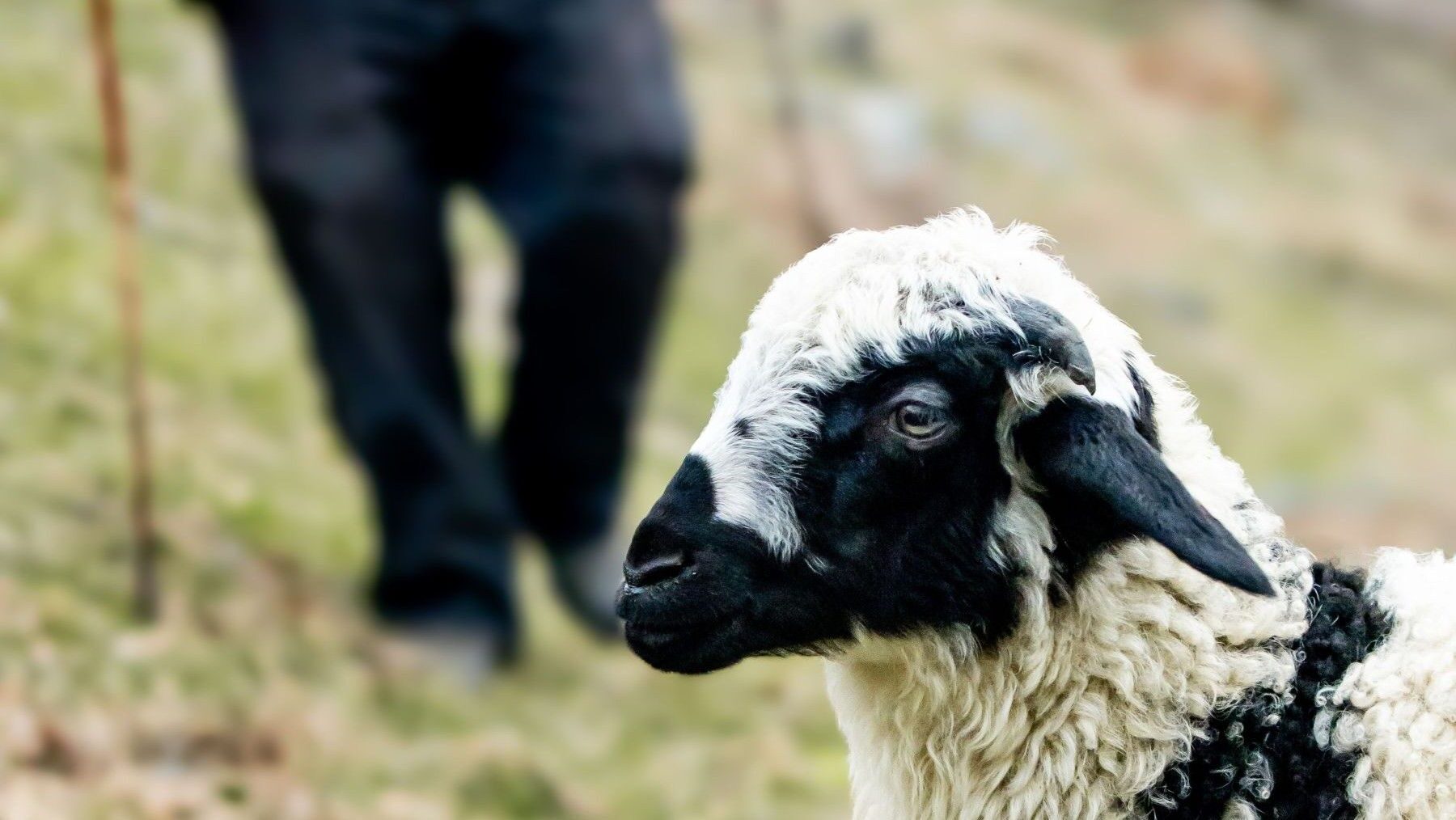
Around twenty shepherds are driving firebreak grazing across nearly 150 hectares of electric corridors and gas pipelines, while the sector calls for financial recognition of landscape and biodiversity stewardship.
The firebreak grazing connects a traditional craft with the maintenance of energy infrastructure. More than 4,000 sheep, goats, cows and horses roam land above gas pipelines and beneath power lines to manage the vegetation. Their work is part of the Network Grazing program, which spans nearly 150 hectares in Castilla y León, Galicia, Asturias and Aragón.
Around twenty shepherds participate in this initiative, which blends extensive livestock farming, biodiversity conservation and fire prevention. The fourth edition of its jornadas took place in La Pola de Gordón, in León, and has placed a central economic question: how to remunerate the environmental services that the flocks provide to society as a whole.
«This is not an 8-hour job, but a 24-hour one», explains Rosana Álvarez, of Ganadería Arbas. That dedication coexists with new tools: the GPS collars, virtual fencing, sensors and drones can facilitate the monitoring of the animals and the surrounding environment, and the possibilities should be explored to support those who maintain these lands and sustain livestock farming in mountainous areas.
Firebreak Grazing: Prevention and Care
Sheep, goats, cows and horses graze and move through mountainous zones that are not typically associated with their role in the environmental conservation of these ecosystems, while this traditional form of grazing helps keep the land clear under the gas pipelines and around the bases of the area’s high-voltage towers.
In a new edition, the fourth, of the Network Grazing Workshops, organized by Enagás, Redeia, Agrovidar, Fundación Global Nature and UNED in Ponferrada, various sector professionals explained how extensive livestock farming is one of the keys to caring for biodiversity, keeping the territory vibrant and increasing fire prevention.
The firebreak grazing program covers nearly 150 hectares of land along the gas pipeline routes, as well as under the corridors of the region’s electrical transmission lines in Castile and León, Galicia, Asturias and Aragón, with the participation of around twenty shepherds and more than 4,000 animals, mainly sheep, goats, cows and horses, depending on the vegetation in each zone.
It is the case of Rosana Álvarez, a member of Ganadería Arbas, who explained that “this is not an 8-hour job, but a 24-hour one,” in which nature becomes “your home” and, at times, “it is hard, but you do it willingly.”
How to Recognize the Profession and Its Ecosystem Services?
That is why, during the sessions held in La Pola de Gordón (León), experts have analyzed how to economically recognize the livestock sector for the ecosystem services its flocks provide through firebreak grazing.
Moreover, they have addressed the opportunities offered by new technologies, such as devices for virtual fencing or AI and sensing to have devices capable of gathering information about the environment or the animals in real time, such as GPS collars and drones.
José Miguel Tudela, director of Sustainability and Climate Action at Enagás, highlighted the social impact of the program on regional development and employment, along with the synergies created among the participating associations.
Tudela expressed being “very pleased with the results,” and as a result they have extended their participation to another area where, in addition to mares, they now have 50 cows and 50 sheep, and they hope “to carry it forward in the coming years.”
Compensation for Shepherds
Paying shepherds for reducing combustible vegetation already has a precedent in Spain. A technical data sheet for the European project AF4EU published in 2025 places the Andalucía Network of Pasture-Firebreak Areas at approximately 14,000 hectares.
Its firebreak grazing model provides for payments based on the area managed, the type of vegetation, the slope, the distance to the fold, and the biomass consumption achieved. These criteria will allow recognition of both the environmental outcome and the difficulty of the work: keeping a steep hillside requires a different effort than grazing on flat ground.
