
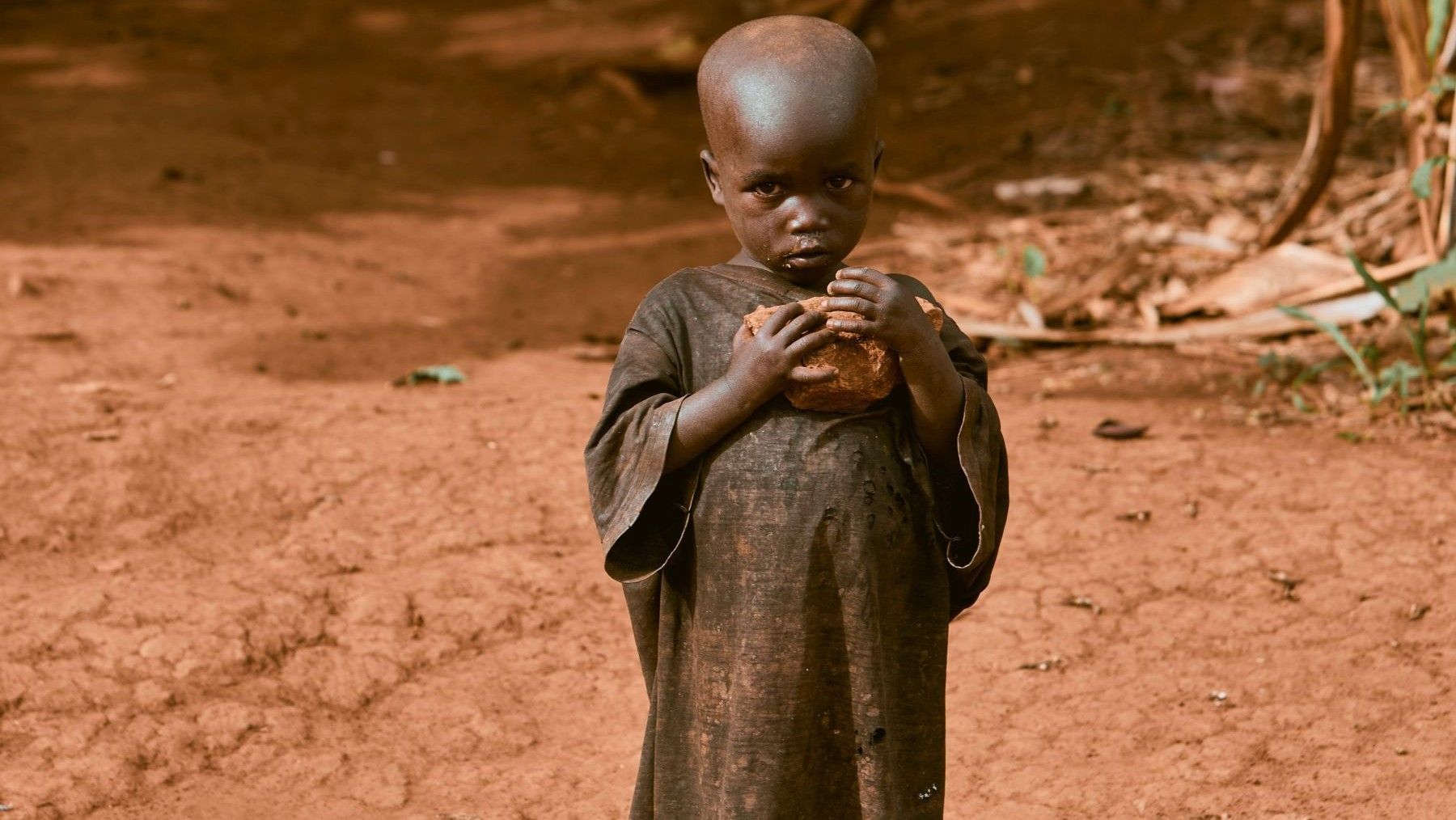
The climate and health crisis is severely striking African communities that have contributed little to global warming: MSF calls on COP31 to provide targeted funding and health systems so these populations can withstand the droughts, floods, and cyclones looming over them.
Africa Has Had Enough of Promises, and at COP31 This Reality Must Be Acknowledged
The climate and health crisis is palpable in Africa’s hospitals and settlements: displaced families, sick and malnourished children, and communities lacking basic access to sanitation and water. MSF demands that the leaders of the COP31 convert their commitments into real protection for those who contributed least to warming.
The organization calls for health to be placed at the center of the discussions and decisions at the COP31 in Antalya, to be held from the 9 to 20 November. The NGO questions the pace of responses, because needs are rising and measures remain inadequate.
The demand is clear and specific: in Africa there is a need for health facilities, energy, drinking water, medicines, and additional funding. When a drought wipes out crops or a flood destroys an entire village, delaying responses costs lives. The governments of the countries that truly drive the problem should be held accountable for the gap between their funding promises and Africans’ real needs.
Baidoa: a real emergency against complacent rhetoric
Somalia concentrates one of the sharpest alerts of this climate and health crisis. According to MSF, four consecutive seasons of insufficient rainfall have caused drought, agricultural losses and displacement. Whole families lose livelihoods due to extreme events and arrive at settlements where care needs multiply, but there are no resources to provide them solutions.
In the displacement centers located in the Somali town of Baidoa, nearly half of the children under five examined by MSF in July were suffering from acute malnutrition. This shows there is a very real emergency affecting the displaced population, which urgently needs assistance and means to survive. Yahya Mohamed, an MSF worker in Somalia, describes its effects in hospitals, malnourished children, and families arriving after losing everything to the drought.
The organization denounces that these communities, whose contribution to global warming has been minimal, bear the brunt of the climate and health crisis. That is the reality that the world’s major emitters and governments with financial capacity must acknowledge. Climate solidarity must translate into services and resources, rather than remaining as mere diplomatic statements.
South Sudan and Madagascar: different impacts, shared vulnerability
The climate and health crisis also strikes South Sudan. MSF describes droughts that affect certain areas and severe floods that hit others, with destroyed crops and rising malnutrition. The coexistence of risks requires responses tailored to each territory and greater capacity to maintain assistance.
In Madagascar, the organization links successive cyclones, prolonged droughts, and the irregularity of seasons with greater food insecurity, the spread of diseases such as malaria, and countless difficulties in accessing health care. These are problems that can accumulate on communities with limited resources and services.
MSF’s message is that climate impacts intensify vulnerabilities and humanitarian needs. Understanding these interactions allows demanding a more effective response, without erasing the weight of poverty, displacement, or health shortages.
María Guevara, MSF’s international medical secretary, warns that each fraction of warming compromises thousands of lives. That is why the climate and health crisis requires combining emission reductions with adaptation: addressing the consequences is essential, but we also must tackle the problem that intensifies them.
Funding must be new because changing the label on money does not save lives
MSF calls for health facilities capable of withstanding extreme phenomena, stable supplies of water and energy, trained personnel, and ample reserves of medicines and equipment. These are basic conditions to keep care going when, due to the climate and health crisis, demand rises or access and infrastructure are damaged.
The organization urges increasing adaptation funding in developing countries. It also demands that new resources not be drawn from existing aid budgets. Shifting money between line items may improve a political declaration without expanding the capacity to respond to emergencies.
The climate and health crisis requires fresh contributions that reach the most affected countries. COP31’s test will be its implementation: how much is mobilized, when it is delivered, and what services it can sustain. Humanitarian urgency does not tolerate turning each commitment into another indefinite delay.
The IPCC provides a measure of this inequality: between 2010 and 2020, mortality from floods, droughts, and storms was fifteen times higher in highly vulnerable regions than in regions with very low vulnerability. The climate and health crisis demands protection proportional to risk: continuing to delay it will perpetuate that inequality.
