
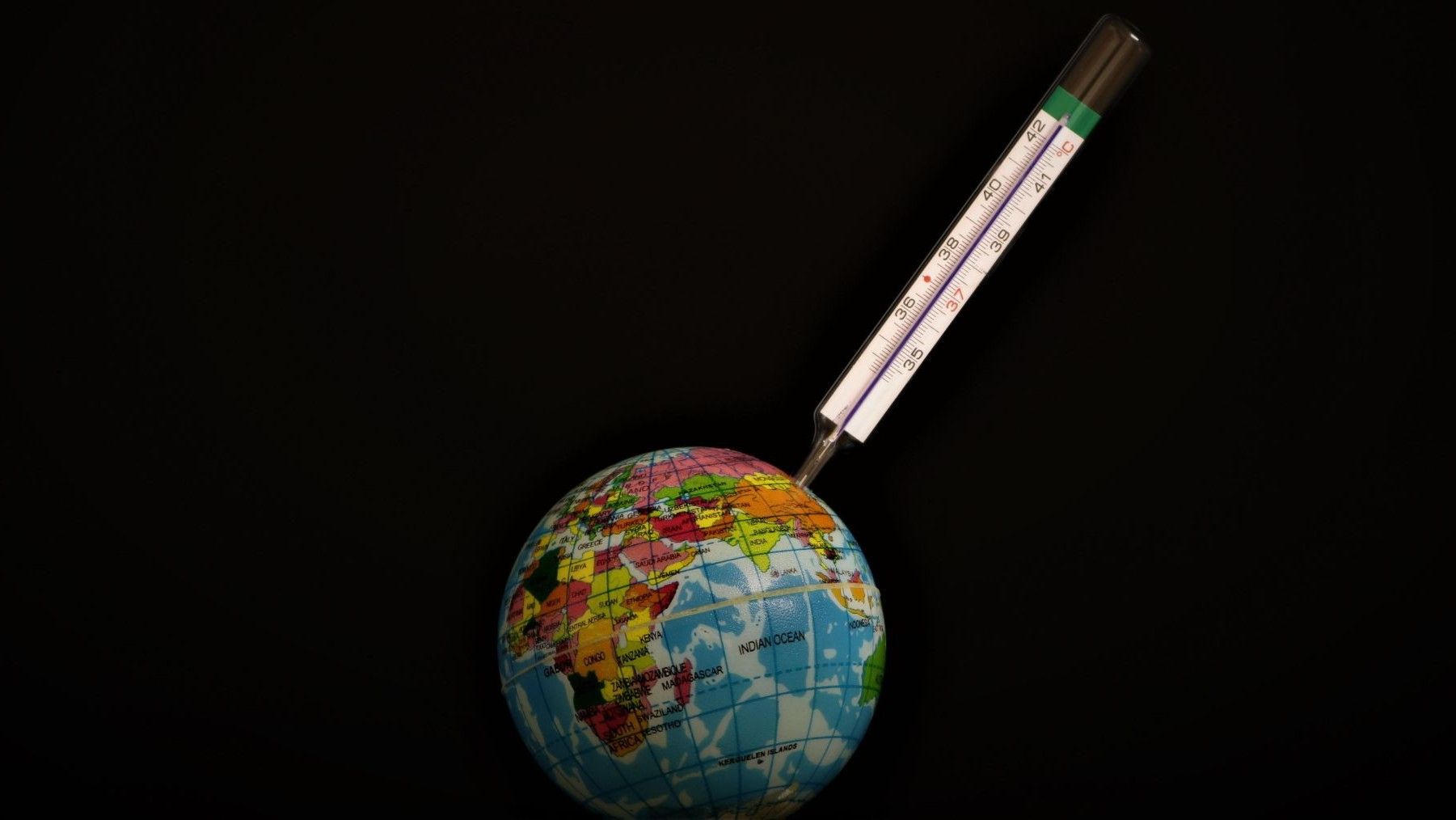
COP31 must break the fossil-fuel blockade and decide who funds the transition: Antalya gathers nearly 200 countries as energy dependence, debt, and trade disputes threaten to once again dilute another summit.
COP31 Must Break the Fossil Block
COP31 must break the fossil block if it hopes to be effective. Antalya opens this Monday, November 9 with a stark contradiction: governments are aware of the risks, yet remain divided by money and the reckless push away from coal, oil, and gas.
The Turkey-hosted conference will bring together representatives from almost 200 countries, up to November 20, with the United States not present. Turkey will chair COP31 and Australia will lead the negotiations.
Another statement without real funding or verifiable measures would indefinitely prolong the problem. The outcomes of the climate summit must prioritize power grids, industries, homes and exposed communities, not remain trapped in diplomatic jargon.
COP31 Must Break the Fossil Block: Financing Will Not Tolerate Any More Evasions
The expert from E3G Cosima Cassel identifies financing not as the main obstacle. Many developing countries require funds to implement their climate plans and face capital costs that hinder investment.
The target agreed in Baku, unmet, proposed a benchmark: at least $300 billion annually by 2035, within a broader objective to mobilize $1.3 trillion annually from public and private sources.
But the figures, and more importantly their emptiness, do not resolve the precarious conditions. Indenting a poor country to rebuild it may undermine its capacity to shield itself from the disasters linked to climate change. The vulnerable economies of the Global South demand credible and effective subsidies, affordable credit and accessible procedures. Governments that are supposed to contribute must explain how they will translate their commitments into action and not simply resort to diplomatic propaganda.
Electrification Requires Displacing Fuels, Not Masking Their Ongoing Use
The Turkish presidency proposes reaching 35% of global final energy consumption from electricity by 2035, up from a little over 20%. The target spans transport, industry and buildings.
COP31 must break the fossil block through electrification alongside renewable generation, grids, storage and efficiency. Shifting engines and heating systems offers substantial opportunities, but it requires investments and policies tailored to each country.
Polluting oil and gas producers confront a serious potential drop in demand if the summit reaches tangential agreements. Their export interests cannot dictate the climate ambition. Dubai’s commitment to moving away from fossil fuels requires national and international actions that effectively reduce their use.
Tariffs Open Another Battle That Could Stall the Summit
China, while still burning coal, will bring to Antalya its criticisms of trade barriers on clean technologies. It also questions, together with other countries, the legitimate European carbon border adjustment mechanism, which links certain imports to the emissions from their production.
The EU defends preventing industry from relocating to territories with lax environmental standards. There are detractors, deniers, who call it protectionism. Each instrument must be evaluated for its effects: a trade dispute by itself does not determine which measure is effective in the climate crisis.
COP31 must break the fossil block without letting those tensions dominate the entire summit. Facilitating affordable technologies, respecting environmental guarantees, and funding the transformation require agreements that can be implemented beyond the walls of the venue.
The text of the “35 for 2035” initiative explicitly recognizes the need to finance networks, storage and standalone generation through subsidies and concessional instruments that reduce capital costs. It also leaves each country with authority over its own national policies. Therefore, the global figure by no means guarantees its fulfillment.
The test will be who provides resources, which projects are carried out and how much polluting fossil fuel is displaced: presenting a voluntary pledge as a completed transformation would be the same as peddling promises again.
