
Nature at COP31 must take a leading role and receive funding: Wetlands International questions the Antalya kickoff, while Brazil pushes a deforestation roadmap through its TFFF initiative.
At COP31, nature should play a prominent role
Nature at COP31 faces a troubling contradiction: warnings about warming are intensifying, yet protecting ecosystems continues to compete for attention and resources. Wetlands International argues that forests and wetlands received scant prominence in the initial Antalya plan.
Its communications chief, Richard Lee, also questions the absence of a dedicated point on the implementation of the commitment to triple funding for adaptation. His warning highlights a concrete vulnerability: without sufficient resources, solutions are unlikely to scale up.
The Forest Roadmap, the TFFF, which was promoted by the Brazilian presidency of COP30 held in Belém, offers an opportunity to act and to give nature its proper place at COP31. The test now will be whether it can curb degradation and deforestation and support those who conserve the territories.
Nature at COP31 needs tangible funding, not mere decorative paper
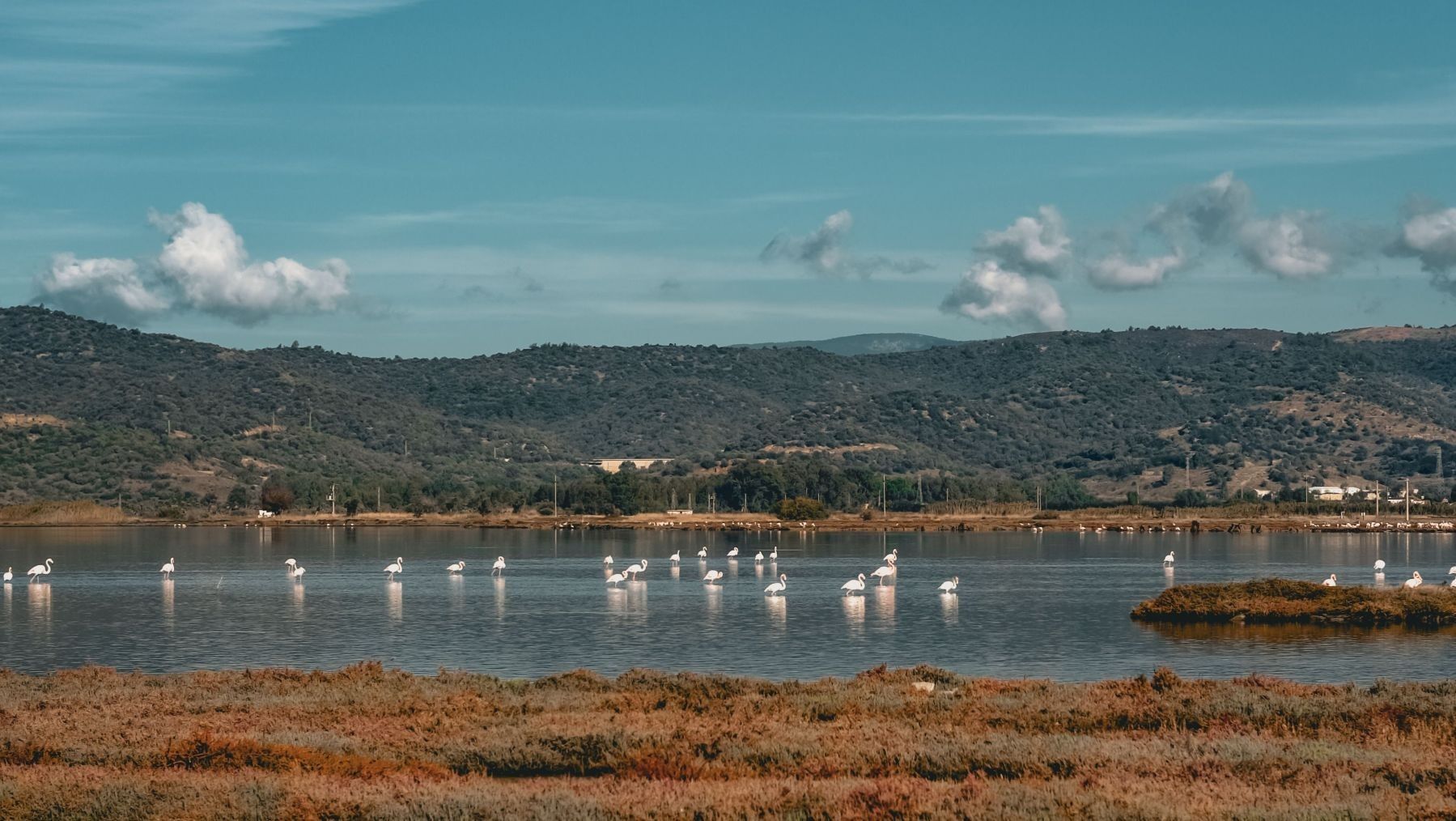
Wetlands International calls for wetlands to be placed at the heart of climate policy debates. These ecosystems can store carbon, regulate and filter water, and help reduce the impacts of floods, droughts, and coastal threats.
Continuing to degrade wetlands weakens multiple lines of defense: ecosystem services are reduced, biodiversity can be lost, and they become sources of emissions. This harmful multiplier effect makes wetlands conservation a matter of global environmental security and community protection.
The organization calls for measurable targets, institutional accountability, and accessible financing. It also emphasizes that restoring wetlands complements the reduction of fossil emissions. Using restoration as a pretext to keep polluting would distort its primary climate function.
Standing forests: restoration does not grant permission to destroy
The COP30 presidency proposes to develop a roadmap to stop and reverse deforestation and forest degradation by 2030. It includes conservation, sustainable management, restoration, and financial cooperation.
It is a voluntary and non-negotiated contribution, not a new obligation that has been approved by all countries. Recognizing its scope allows demanding progress without needing to present the document as already guaranteed protection.
The debate on nature at COP31 must preserve an essential distinction: planting trees does not instantly replace destroyed ecosystems. A practical example is a primary forest: its carbon, biodiversity, and ecological relationships do not automatically recover by planting trees. Tolerating its ruin in exchange for future promises would be irresponsible.
Rights and funding against the plundering of territories
Indigenous and community representatives demand to participate as leaders and partners. Conservation loses legitimacy if it excludes those who inhabit and protect the forests, or if it allows economic benefits to be concentrated far from the territory.
Nature at the COP31 requires decisions on budgets and incentives. Martin Krause, from the UN Environment Programme, highlights in the presented material the contradiction between funding forest protection and sustaining agricultural subsidies potentially harmful to forests.
The political demand is very clear: incentives must be revisited, rights guaranteed, and results verified. Holding meetings while destruction continues would be a failure, no matter how much resilience is touted. Halting degradation requires continuity and public oversight.
Global Wetland Outlook 2025 estimates that since 1970 more than 411 million hectares of wetlands have been lost, at least 22% of their global extent, and that approximately one quarter of the remaining wetlands shows degradation. Defending nature at COP31 requires funding and also prevention.
