
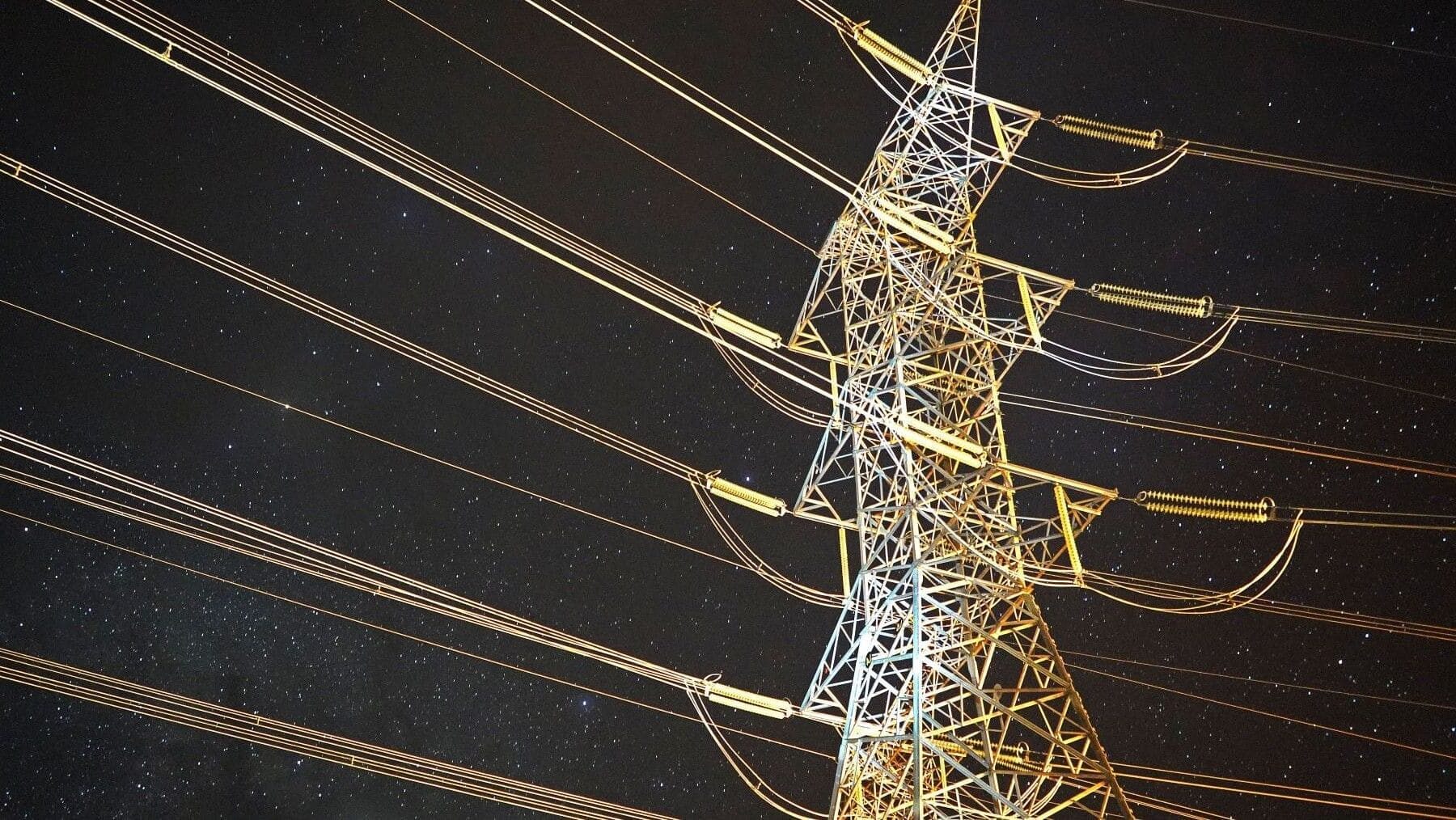
Electricity electrification in Spain runs up against costs that push up light bills compared to fossil fuels, while renewables show that reducing dependence on imports improves competitiveness.
Electrification in Spain or Fossil Fuels?
The electrification in Spain progresses with a contradiction that the Government must solve: renewables reduce external dependence, but electricity bears burdens that complicate abandoning fossil fuels. The International Energy Agency (IEA) calls for correcting this imbalance.
The diagnosis recognizes an environmental and economic success: more clean generation, less dependence on imported gas, and greater energy security. Its results undermine the argument that renewables development is an obstacle to competitiveness.
However, that leadership has not yet sufficiently transformed cars, heating, and factories. The next step requires public decisions: facilitate investments, review price signals, and protect vulnerable households. Celebrating progress without solving present barriers would amount to complacency.
Renewables Hit Gas Dependence: The Progress Deserves Defending
According to the IEA, between 2015 and 2025, the share of renewables in Spain’s power generation rose from 35% to 56%, while emissions declined by about 20%. The agency links these advances to the national energy and climate framework and to the just transition approach.
The expansion has also contributed to lowering wholesale prices and reducing the need for imported gas. Without that growth, the agency estimates, gas imports used to generate electricity would have been almost 40% higher in 2024, with $26 billion of additional cost.
This is a scenario-based estimate, not a direct rebate on each household bill. Yet it shows a decisive benefit: replacing imported fuel with renewable generation reduces the country’s exposure to external supplies. Discrediting that progress would mean ignoring its evident economic and environmental advantages.
Nevertheless, imports covered about 70% of total energy consumption in 2024. Electrification in Spain must extend beyond power plants: the success of producing clean electricity loses impact if oil and gas continue to dominate other uses.
The Fossil Tax Advantage Slows Electrification in Spain
Currently, electricity accounts for 25% of final energy consumption, versus the 35% target for 2030. This gap points to where electrification in Spain must accelerate: transport, buildings, and industry need to better harness the renewables expansion.
The IEA identifies an imbalance, since taxes, levies, and grid-access costs keep electricity prices high for consumers, while fossil fuels bear comparatively much lower burdens, and this is what makes the shift pursued by climate policy difficult.
The agency highlights the elimination of the electricity production tax in 2026, but recommends continuing to rebalance prices. That adjustment must protect the most vulnerable consumers. Electrification in Spain cannot become an opportunity reserved for those with substantial savings.
The barriers are concrete: limited adoption of electric vehicles, especially in corporate fleets; fossil heating still widespread and high initial industrial investments. Demanding the change without facilitating conditions to undertake it reduces the effectiveness of any stated objective.
Grids and Almaraz: Decisions Must Be Accountable
The agency recognizes reforms to boost storage and adapt the grids. It calls for continuing to modernize infrastructure and improve flexibility, with a balanced mix of solar, wind, and hybrid technologies. Electrification in Spain needs capacity to integrate and leverage that generation.
It also recommends carefully managing the closure of nuclear plants. Following the operational extension of the Almaraz plant, it proposes a transparent framework to evaluate future decisions on a case-by-case basis, considering costs and benefits for consumers and the system. This requirement obliges decisions to be justified with accessible information and verifiable criteria.
The Government announced in September a proposal for the network planning through 2030 with more than €17 billion of investment, after analyzing 2,566 contributions. That announcement adds a concrete reference to demand results: electrification in Spain needs available connections and projects completed. The fossil dependence does not retreat with figures presented in a briefing; it retreats when infrastructures come online and enable substituting imported fuels.
