
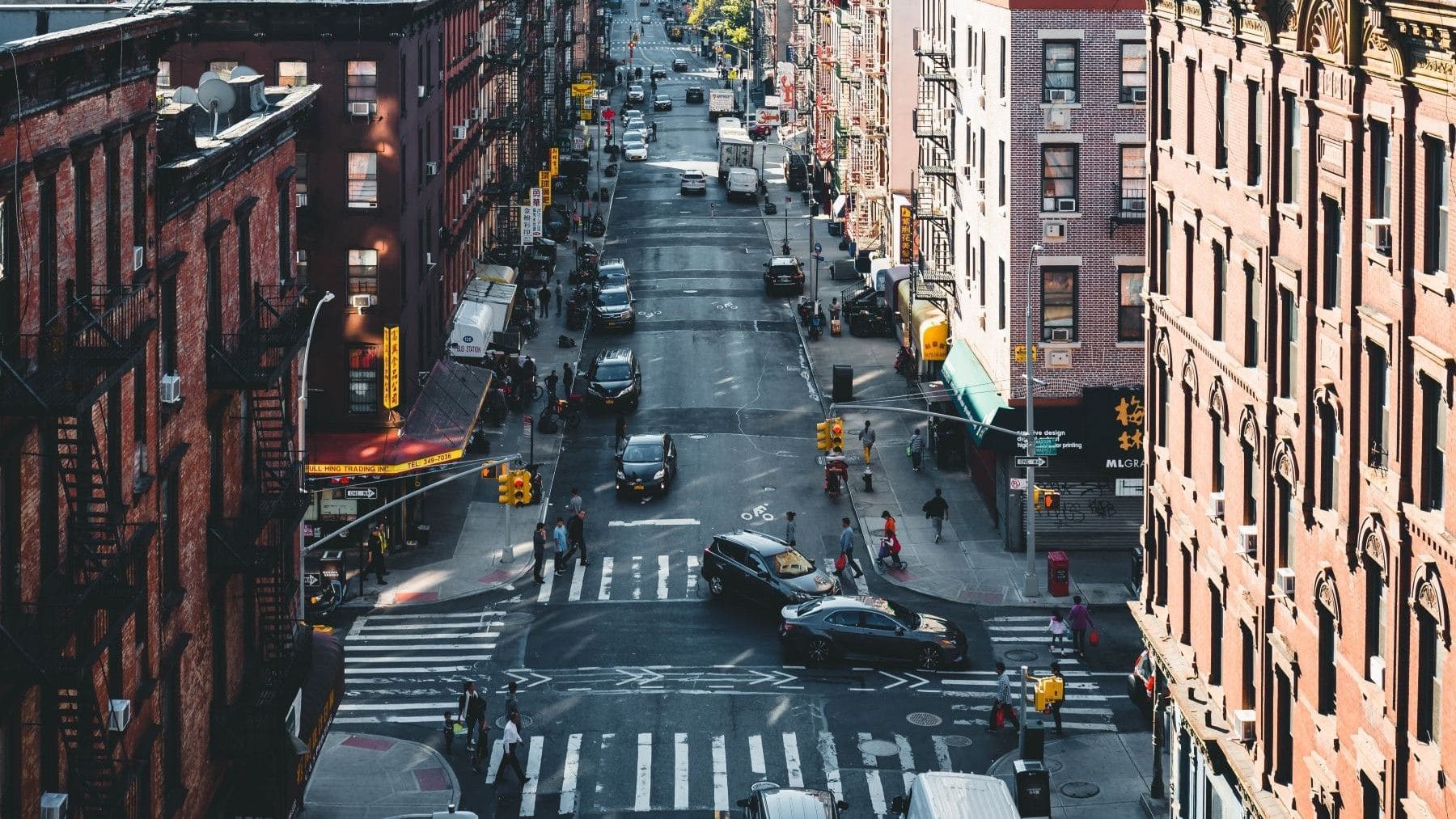
COP31 places sustainable and resilient cities under a very urgent demand: housing must be rehabilitated, reliance on cars reduced, and neighborhoods protected against extreme heat intensified by climate change.
You cannot promise green cities and then do nothing
Sustainable and resilient cities are an urgent necessity in the face of energy waste and climate vulnerability. UN-Habitat attributes roughly 70% of global greenhouse gas emissions to urban areas: a responsibility that requires transforming buildings, mobility, and public spaces.
The Antalya COP31 places this important challenge in the global climate debate. But promising to deliver green neighborhoods while still maintaining inefficient housing and streets that are hostile to pedestrians would be another form of institutional “green” propaganda.
Solutions to achieve sustainable and resilient cities must effectively reach daily life: comfortable homes that consume less, accessible mobility, and spaces prepared for heat and heavy rainfall. The difference between actiing and performing eco-posturing is evident in the works undertaken, the budgets allocated, and their results.
Sustainable and resilient cities: rehabilitation to curb waste
A built city is not doomed to keep its deficiencies. Rehabilitation helps improve insulation, ventilation, and energy systems to reduce consumption while maintaining comfort.
Marta Vall-llosseraes, president of the Higher Council of Architects’ Associations of Spain, has explained that energy efficiency means delivering the same service using less energy. That should be the standard instead of flashy interventions whose savings and sustainability are unproven.
Local governments and administrations must facilitate actions that are accessible to households with fewer resources. It would be unacceptable for upgrades to reach only those who can pay for them, while energy insecurity continues to roam the most vulnerable neighborhoods.
Less asphalt and more space, greenery, and liveable zones
Sustainable and resilient cities must act both inside and outside buildings. Walking, cycling, and public transport use must be safe and viable, with daily services nearby and connections that reduce dependence on cars.
Maria Paz Sangiao, head of Urbanism and New Developments at BREEAM Spain, emphasizes that design now considers details like permeable pavements and their behavior under water and heat. The usefulness of these measures depends on choosing solutions that are best suited to each location.
Adaptation requires combining shade, vegetation, and permeable surfaces with proper maintenance. Investing without evaluating performance would be absurd: the climate emergency demands protecting people, not a proliferation of inaugurations.
The Mediterranean city provides a base that deserves defense
Spain, according to Sangiao, features compact urban fabrics, mixed uses, and pedestrian-friendly scales. That proximity is an advantage for building sustainable and resilient cities and reducing mandatory travel.
Preserving it requires questioning developments that separate housing, employment, and services to turn every activity into motorized trips. Expanding that model deepens an unsustainable energy dependency.
Social infrastructure also matters in the form of neighborhood participation, safety, and gathering spaces. Red lines must include equitable access to all improvements and the protection of those already living in the neighborhoods. A transformation that displaces residents would leave its social dimension unresolved.
The sobering data comes from the European Commission, which states that 85% of EU buildings were built before 2000 and 75% show poor energy performance. The magnitude of the problem forces us to prioritize rehabilitation of the existing stock.
Sustainable and resilient cities require ongoing investments and verifiable savings: delaying them only accelerates deterioration and turns environmental promises into empty proposals.
