
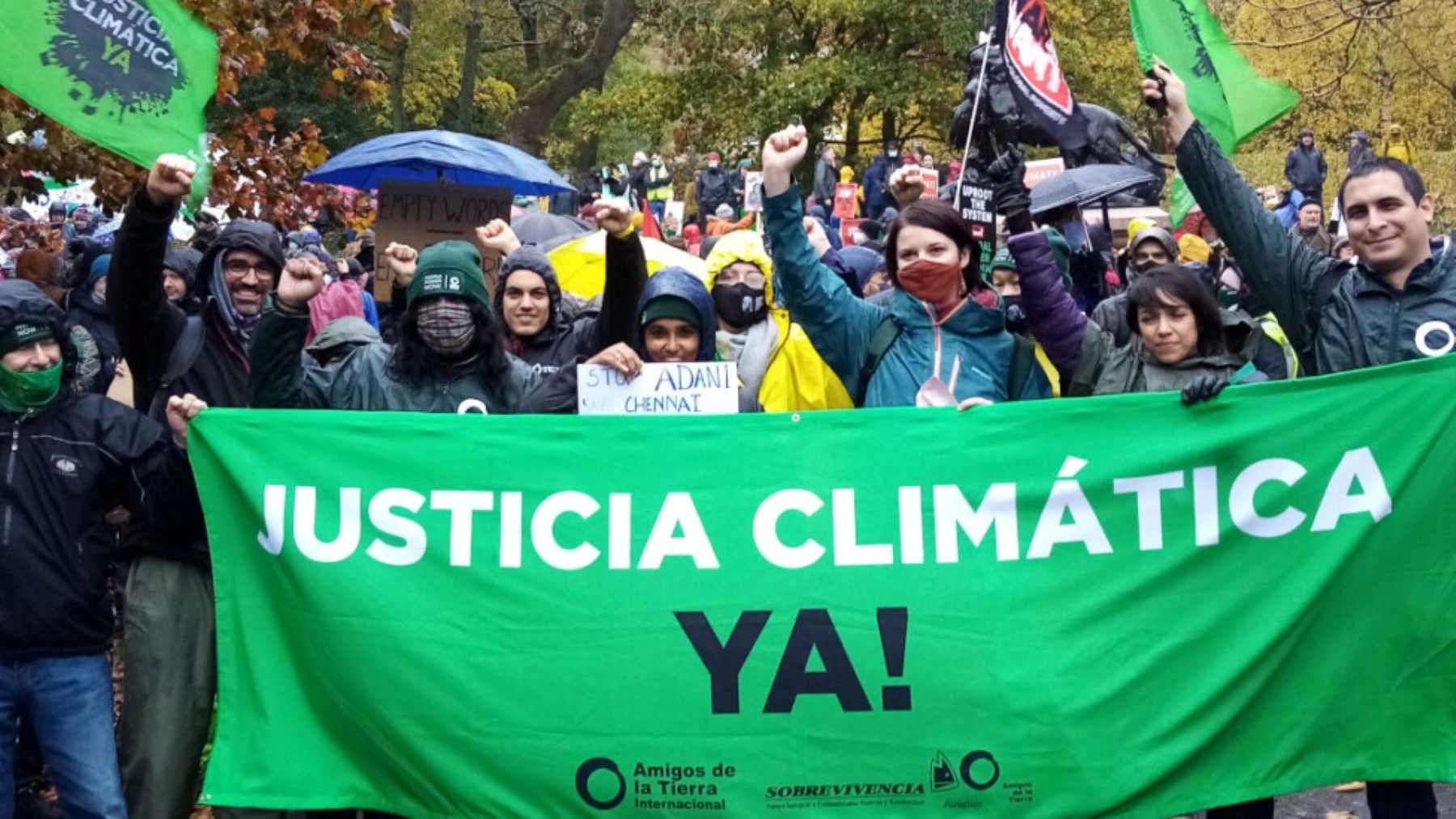
Debt-free climate finance is the concept at the heart of the demands being put forward by Friends of the Earth at COP31: the NGO calls for an immediate end to subsidies for fossil fuels, a just transition, and protection against extractivism.
Financing Without Loans and Debt
Debt-free climate finance puts a thorny demand on the agenda at COP31 in Antalya: protecting vulnerable communities should not come with an aggravation of their financial squeeze. Friends of the Earth argues for sufficient and predictable public resources to confront climate damages and to transform energy systems.
The organization questions that wealthy countries justify budgetary constraints while increasing allocations to the military sector. Its call to action demands a re-prioritization: adaptation requires investments that are accessible, not summits without results or mere promises on paper.
COP31 must address another contradiction: asking the Global South to accelerate a transition without guaranteeing them the technology, the infrastructure, and the financial capacity is illogical. Cooperation loses meaning if, instead of correcting inequalities, it ends up deepening them.
Debt-free climate finance questions who bears the costs
Friends of the Earth considers the goal of mobilizing at least $300 billion per year by 2035 to be entirely insufficient. It demands more grants rather than loans that would worsen indebtedness and a reduction in the margin for sustaining the most essential services.
It also proposes imposing new taxes on extreme wealth, fossil fuels, and windfall profits. The principle of “polluter pays” must translate into effective mechanisms, with transparency about revenue collection, destinations, and outcomes.
The organization also questions the governance of the Loss and Damage Fund and calls for direct access to its resources. These are concrete political demands: those facing housing destruction or losses of livelihoods need usable procedures and a real say in decisions.
Electrification Without Reproducing Territorial Exploitation
Debt-free climate finance is decisive to ensure that electrification does not impose disproportionate burdens on economies with inadequate infrastructure. Friends of the Earth demands renewables, energy sufficiency, and technology transfer.
The proposed global target of 35% electrification by 2035 must be accompanied by social and environmental protections. The organization warns that the extraction of critical minerals can reproduce land grabbing, degradation, and rights violations.
A practical example is community-involved renewable microgrids, which can expand services without relegating the population to a passive role. Access to energy must substantially improve people’s living conditions, preventing another round of extractive activities from placing the costs on the territory and concentrating the benefits elsewhere.
A Just Transition Requires Real Cuts and Binding Participation
Friends of the Earth champions debt-free climate finance at COP31 and a feminist transition with involvement from workers, women, Indigenous peoples, and communities. It insists that these voices influence governance and the distribution of resources.
The organization rejects carbon markets, nuclear power, hydrogen, geoengineering, and carbon capture as solutions for this model. That is its position; these technologies have different functions and characteristics, so it is not appropriate to describe them all as simple offset mechanisms.
The editorial demand should focus on outcomes: verifiable reductions, rights respected, and accessible funding. Relying on technological promises to delay actions that are already available would fuel greenwashing. Debt-free climate finance needs commitments that stand up to public scrutiny, not a new architecture of delays.
