
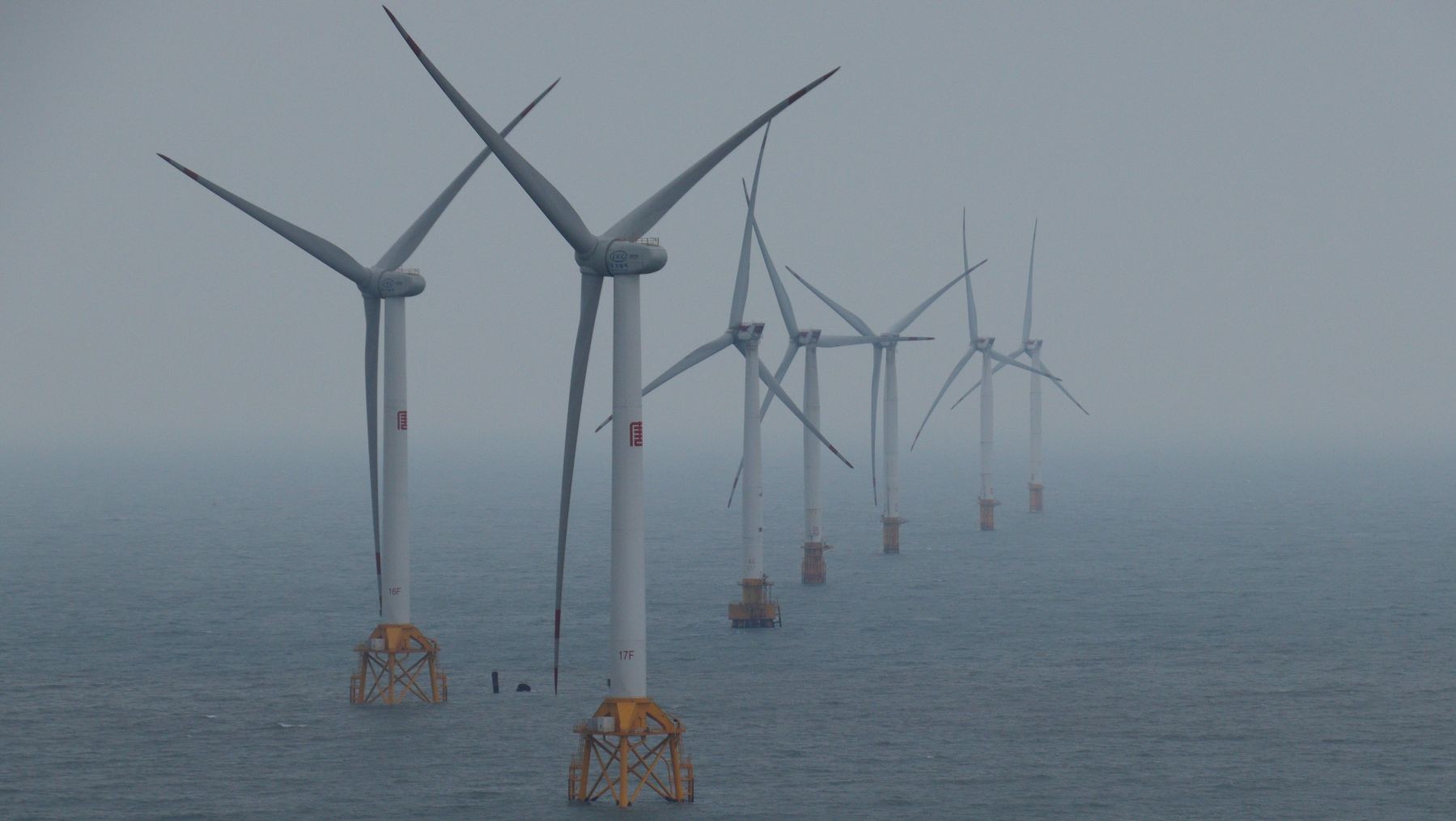
European wind energy has issued a clear call to Brussels and London to forge an alliance that would ease electricity exchanges. The aim is to remove obstacles to achieving affordable energy that can finally abandon burning fossil fuels.
Wind energy seeks to be a growth engine for Europe
The European wind energy sector calls on Brussels and London to stop hindering a cooperation that, according to the industry, would lower electricity costs and strengthen the supply. Homes and businesses need results that show up on their bills.
WindEurope and RenewableUK, backed by more than 30 companies and organizations, demand easier electricity trading and accelerated deployment of renewables. The request arrives ahead of the bilateral summit on November 20 in Brussels.
The push has three concrete fronts: linking carbon markets, making better use of existing interconnections, and tightening North Sea collaboration. Maintaining avoidable frictions while proclaiming energy autonomy would be political folly.
European wind energy points to the barriers governments must solve
The associations demand linking the EU and UK emissions trading systems. They also request swift and reciprocal exemptions to the Carbon Border Adjustment Mechanism (CBAM).
The stated objective is to avoid costs and obstacles to the exchange of clean electricity. The proposal requires concrete agreements: announcing an approach without resolving its implementation would leave the problem the industry highlights intact.
Brussels and London must spell out what barriers they will remove for European wind energy and when. Energy policy loses credibility when it promises competitiveness while keeping obstacles that, according to the sector, raise the cost of running the system.
Interconnections: the bill demands cooperation, not bureaucratic borders
The European wind energy requests better rules for cross-border trade to take advantage of existing electricity links. Infrastructure alone is of little use if the terms of exchange prevent extracting its full value.
According to WindEurope and RenewableUK, greater integration would make it easier to share renewable generation and lower costs on both sides of the English Channel. It is an opportunity that deserves verifiable decisions, especially given the volatility of fossil fuels.
The letter does not quantify a specific reduction in domestic bills. Therefore, governments will need to show how system savings reach the consumer, so this is not merely a promise nor falls into eco-posturing.
The North Sea can strengthen autonomy: agreements are needed
The sector calls for the United Kingdom to return as a full member to the North Seas Energy Cooperation. The request aims to drive offshore wind farms, shared infrastructures, and common supply chains.
The European wind energy presents this collaboration as a path to reducing investment costs and exposure to international fossil fuel markets. The strategic benefit is clear: more of its own renewable capacity and better coordination among neighbors.
But a credible alliance requires commitments on networks, financing, and execution. Without them, the rhetoric of energy security risks becoming institutional eco-posturing while the obstacles highlighted persist.
The Ostend Declaration and its joint ambition
Governments already have a clear reference point for accountability: the Ostende Declaration set in 2023 a joint North Sea ambition of at least 120 GW of offshore wind by 2030 and 300 GW by 2050.
While these are targets, not completed installations, they remain a very encouraging proposal. The European wind energy needs that declaration to translate into real projects and connections: piling up declarations while decisions are postponed would be an industrial and climate irresponsibility.
