
Spain generated in October 48.4% of its electricity from renewables, 10,988 GWh in total, according to the monthly balance from Red Eléctrica. The figure arrives with a reclassification. Solar photovoltaic stayed at 21% and dropped to third place. Nuclear and gas-fired plants surpassed it.
Until September, solar had led the country for six consecutive months. Does this mean the sun has stopped delivering? Not exactly. Year to date it remains ahead of the others. And in October, only about 0.7 percentage points separated the top three.
Three technologies almost tied
Nuclear was “the first source of generation” for the month, at 21.7%. Right behind was combined cycle (gas-fired plants) at 21.4%. Then photovoltaics with its 21%.
Further down appear wind at 17.5% and hydro at 7%, according to the chart that accompanies the report. 70.2% of what was generated came without CO2 equivalent. And there nuclear counts, and a lot.
Solar falls five points
In the September balance photovoltaics registered 26.3% with 6,307 GWh. That month closed the six-month streak of solar as the leader. A drop of five percentage points in a single month is not insignificant.
According to an independent calculation, October left around 4,800 GWh of solar: 21% of the total that results from dividing 10,988 GWh by 48.4%. Red Eléctrica does not provide that figure. It is about a quarter less than the 6,307 GWh of September. Red Eléctrica does not explain the reason, although the shorter autumn days help explain it quite a bit.
Renewables, as a whole, have followed the same path. They went from 50.9% in September to 48.4% in October, and are now below half.
Self-consumption nears 50%
But there is an important nuance, and it’s on rooftops. Red Eléctrica estimates that self-consumption installations generated 1,170 GWh in October. With that production, the renewable share rises to 49.9%.
Do you know how many solar panels you need at home? Those who have them installed are part of that figure. Since the main chart excludes self-consumption, the report always provides both percentages.
Higher consumption, also in the islands
National demand reached 20,601 GWh, up 0.7% compared with October 2025. Excluding the effect of temperatures and working days, the rise stands at 1.8%. Year to date, 218,874 GWh have been consumed, up 3% in gross terms.
In the Balearic Islands, demand grew 4.8% on an adjusted basis and the combined cycle contributed 67% of what was produced there. Renewables improved by 24.2% and still accounted for 13.9%. The submarine link between the Peninsula and Mallorca covered 19.7% of demand.
Canary Islands rose 3.1%, with the combined cycle at 41% and diesel engines at 20.7%. There, wind reached 12.9% and the renewables total stood at 17.7%. There remains a long way to go.
Batteries and pumped storage gain ground
Batteries and pumped hydro storage contributed 778 GWh to the grid, 4.7% more than a year ago. According to Red Eléctrica, this ends up “helping to shift energy from periods of higher availability to other times of the day.” In practice, electricity is stored when there is surplus and released when it is needed. Something that is appreciated on the bill when there is no sun.
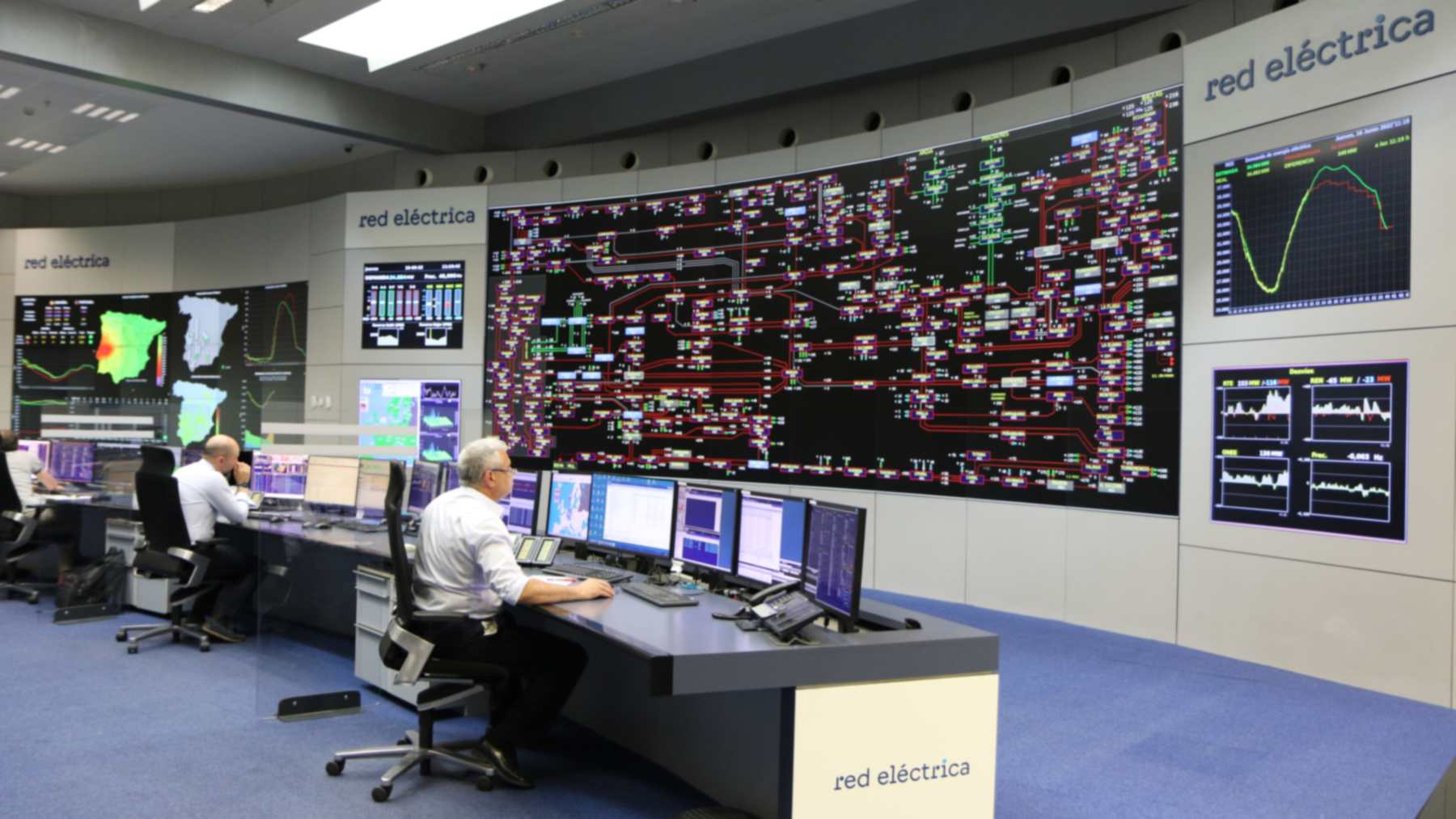
All of this coordination is monitored in real time from Red Eléctrica’s control centers. The renewables center, Cecre, has integrated more than 1,346 TWh of wind and solar since 2006. And since the 2025 blackout, the planning of the electricity grid has ceased to be a matter solely for technicians.
November will tell if solar rebounds
One month does not change the year’s picture. From January to October renewables account for 56.5% of generation. Photovoltaics lead (22.8%), with wind at 19.5% and nuclear at 19%.
The report does not break down the GWh by technology. It also notes that self-consumption is calculated “with the data available as of today,” so that part could still move. Therefore, it is wise to watch the upcoming balances and Red Eléctrica’s daily figures before taking anything for granted.
The press release with all October data has been published on Red Eléctrica de España’s website.
Photo: Red Eléctrica
