
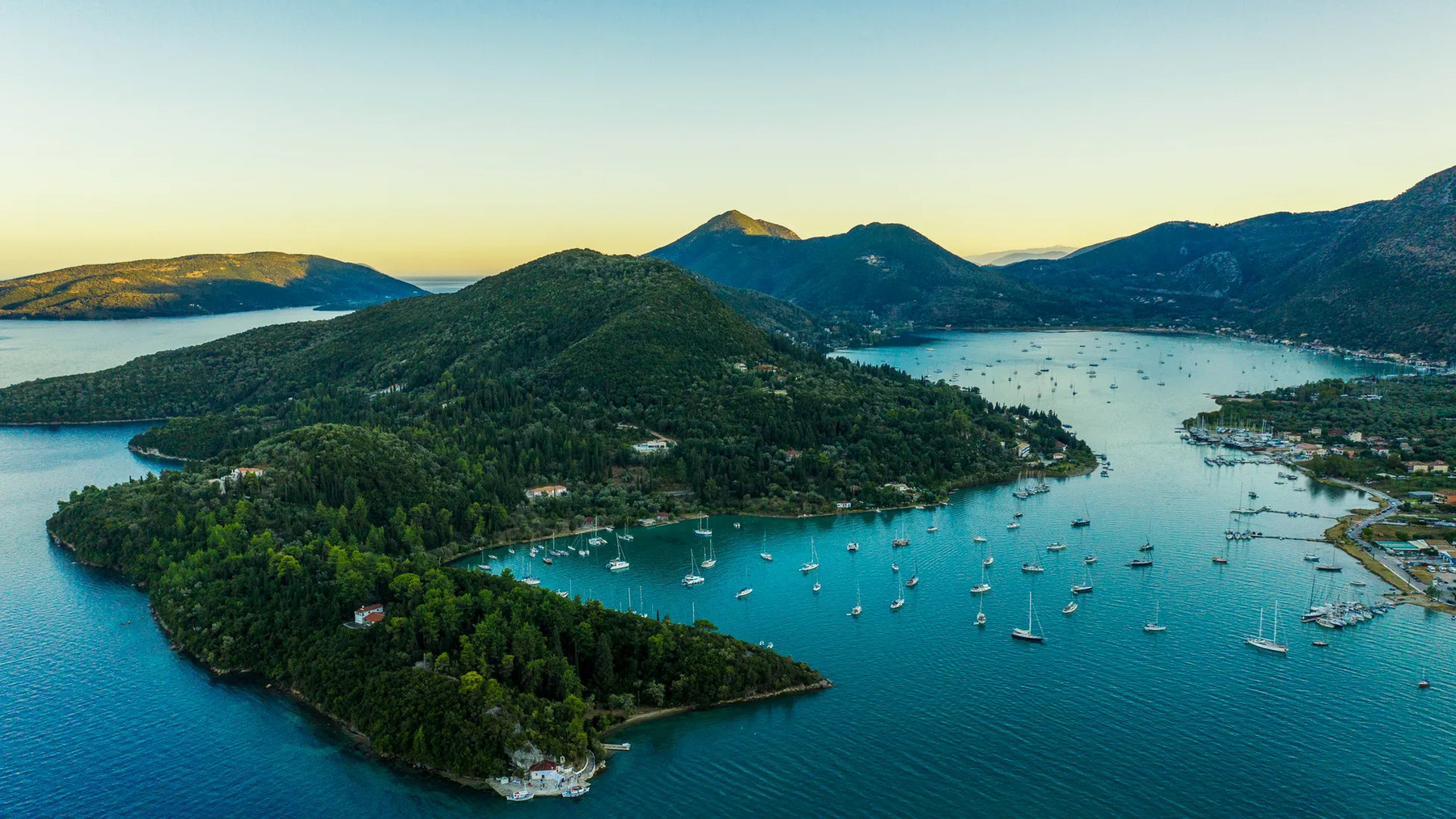
Scientists warn that climate change, as one would expect, magnifies the effects of pollution and overfishing; and we are talking about one of the planet’s most vulnerable seas.
While governments gathered for COP31 in Antalya continue debating how to prevent the planet from crossing the 1.5°C warming threshold, the Mediterranean is already living that reality, and there appears to be no sign of it slowing down.
This sea is warming 20% faster than the global average, and its consequences are beginning to sketch a very worrying scenario that shows no sign of stopping, translating into species disappearing, other invasive fishes that disrupt ecosystems, fishermen whose daily activity and livelihoods are at risk, and episodes of pollution that threaten marine life.
The paradox is that one of the seas most vulnerable to climate change continues to occupy a secondary place in major international negotiations. The Mediterranean lacks a region that represents it as does the Amazon, the Arctic, or the small island states of the Pacific.
It is divided among numerous countries, economic interests, and political blocs that hinder building a common response.
The data handled by Turkish scientist Eda Acara, of Sabancı University in Istanbul, point to a particularly troubling acceleration. Between 1982 and 2018, the rate of warming of the Mediterranean was 20% higher than the global average. Not all of its waters evolve equally: the Adriatic and the eastern Mediterranean rank among the most affected areas.
And Antalya, precisely the city hosting COP31, sits in one of the areas where the problem is most evident.
More heat, fewer fish and an invasion that threatens fishing
The consequences are not only environmental. They also directly affect the economy of coastal communities. Acara warns that, by the middle of the century, more than 20% of commercially fished species could have disappeared in certain regions.
On top of this pressure comes the arrival of invasive species from the Red Sea that are entering through the Suez Canal. One of the most alarming examples is the pufferfish, which has spread through the eastern Mediterranean and especially along the Antalya coast.
“This animal can devour numerous marine organisms, lacks sufficient natural predators in the area, and poses a problem for traditional fishermen because it wrecks nets and hooks. Moreover, its high toxicity prevents safe commercialization and accidental consumption can cause deadly poisoning,” the scientists explain.
Nor is it the only signal of deterioration. Marine mucus, a buildup of microalgae and phytoplankton that five years ago coated part of the Sea of Marmara with a thick whitish layer, demonstrates the extent to which pollution and warming can alter ecosystems.
Although it is not toxic in itself, it reduces the oxygen available in the water and threatens the survival of marine organisms. Its appearance is linked to excess nutrients from urban, industrial, and agricultural discharges, a problem that is worsened by elevated temperatures.
As Acara explains, climate change acts as a multiplier of threats: it intensifies the damage from pollution and overfishing.
A sea without defenders as the crisis advances
This pressure is compounded by the arrival of invasive species from the Red Sea through the Suez Canal. One of the most worrying examples is the pufferfish, which has spread across the eastern Mediterranean and especially along the Antalya coast.
But there is another problem that transcends science. Joan Borrell, Deputy Secretary-General of the Union for the Mediterranean, denounces that this basin lacks specific representation at climate summits. Its political fragmentation and its position as a border between wealthy Europe and North Africa make it difficult to perceive as a space in need of shared solutions.
While Pacific delegations press for attention to their atolls threatened by rising sea levels, the Mediterranean continues to seek a place on the international agenda.
The issue is particularly delicate because the countries on its shores do not have the same resources to cope with the consequences. The most vulnerable communities in the southern and southeastern Mediterranean may suffer more intensely from the impacts on fishing, tourism, and resource availability.
COP31 now has an opportunity to change that situation. But the Mediterranean does not need merely statements of concern: it needs funding, cooperation among countries, and concrete measures against pollution, overfishing, and warming.
Because while governments negotiate how to save the planet, one of its most threatened seas is already paying the price.
