
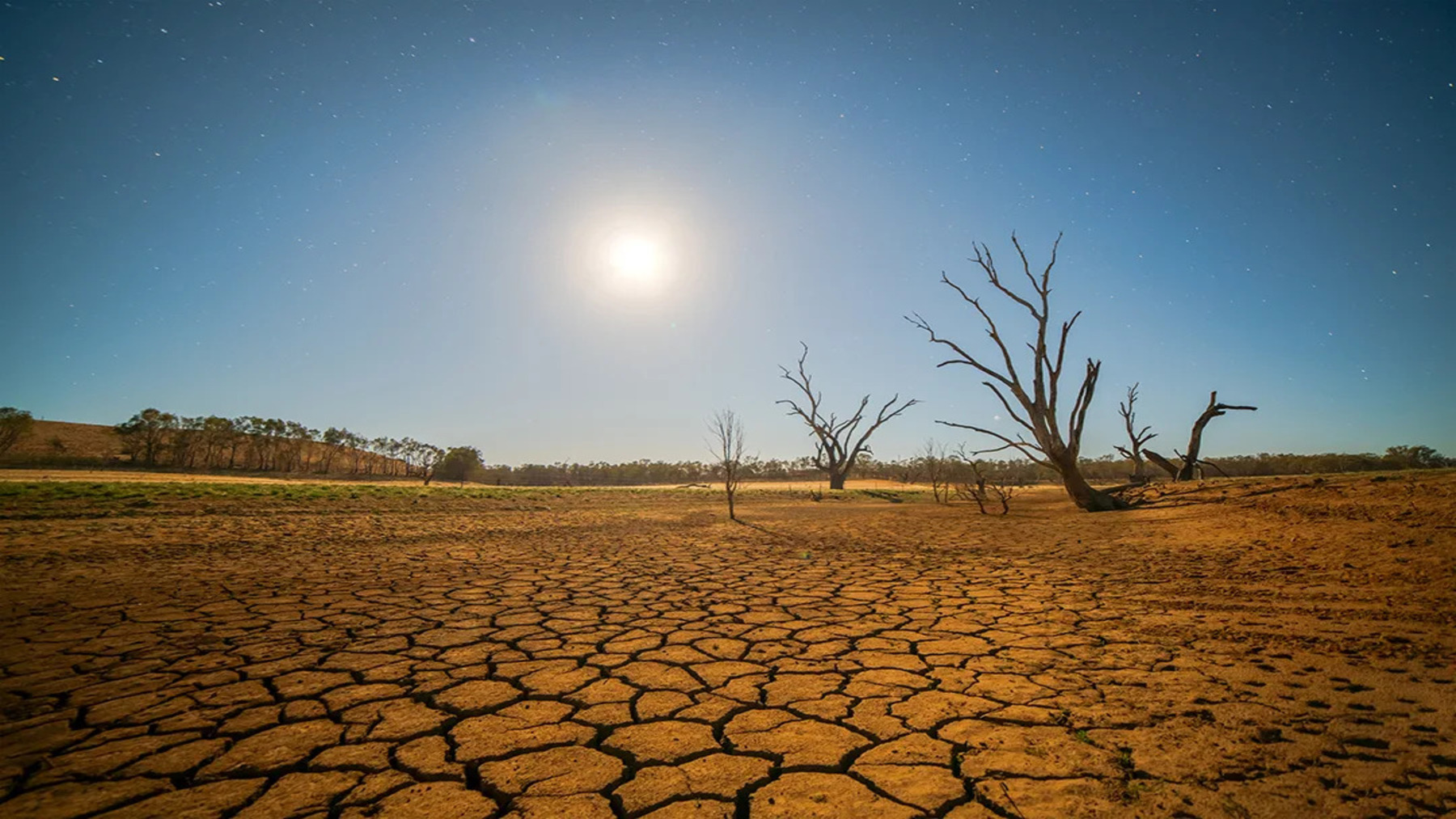
87% of Spaniards fear experiencing extreme weather events due to climate change, but support for making oil companies pay part of the damages is only 52%.
Fires that burn thousands of hectares, floods that wreck homes, droughts that strike agriculture, and heat waves that jeopardize health are the familiar effects of how climate change keeps at work.
These consequences are no longer just a distant warning nor the concern of scientists or environmentalists, but unfortunately they have become part of our daily lives and affect us. However, when the time comes to discuss responsibility and, above all, who should pay for the damages, the situation changes and there is not as much consensus.
Are we really worried about climate change?
A survey conducted by Climate Opinion Research Exchange (CORE), commissioned by Esfera Climática and based on responses from 5,027 people, puts numbers to this contradiction.
87% of the population acknowledges being worried or very worried about the possibility of experiencing an extreme weather event. Additionally, 86% consider that these episodes constitute a national security issue and that Spain must prepare to protect its families, its agriculture, and its economy.
But there is a considerably more uncomfortable question: who pays for the damages? Here the answers diverge. 85% contend that the Government should compensate the damages, while only 52% believe that the fossil fuel industry should shoulder part of the costs. 18% oppose it directly and 24% have no defined position.
The paradox is evident: society demands public protection against the effects of climate change, but there is not the same backing when it comes to pointing at one of the sectors that contributes most to the emissions responsible for global warming.
The bill for disasters seems easier to accept when it is spread among everyone than when it is proposed that those who profit from fossil fuels should also be held financially accountable.
Concern about climate change based on ideology
Additionally, 86% consider that these episodes constitute a national security issue and that Spain must prepare to protect its families, its agriculture, and its economy.
The political divide is not small either. 73% of Sumar voters and 62% of PSOE voters support that oil companies shoulder part of the costs, compared with 49% of PP and barely 37% of Vox. A difference that contrasts with another finding: even among far-right voters, 84% express concern about extreme weather phenomena.
The survey also reveals that 53% associate burning fossil fuels with an increased risk of these episodes. However, 18% reject that connection and 23% of those on the far right do not have a clear position.
The scientific evidence on human influence in global warming is solid, although translating it into political debate remains a matter of contention.
Meanwhile, extreme phenomena already have names and consequences. Nine out of ten respondents report having experienced heat waves; 57% droughts; 51% severe storms; 43% floods, and 42% fires. They are not abstract threats: they affect homes, crops, infrastructure, and public services.
There is also majority backing for strengthening the response: 88% want more funding for emergencies and the same percentage supports ES-Alert warnings. Also 70% consider that replacing fossil fuels with renewable energy is an opportunity to reduce energy dependence.
The problem is that worrying about climate change is not enough. Preparing emergency services, rebuilding what was destroyed, and compensating those affected costs money. And the discussion about who should shoulder it remains open. Because while citizens suffer the consequences, the question continues without a decisive political answer: why should the bill for a global crisis fall mainly on those with the least capacity to prevent it?
