
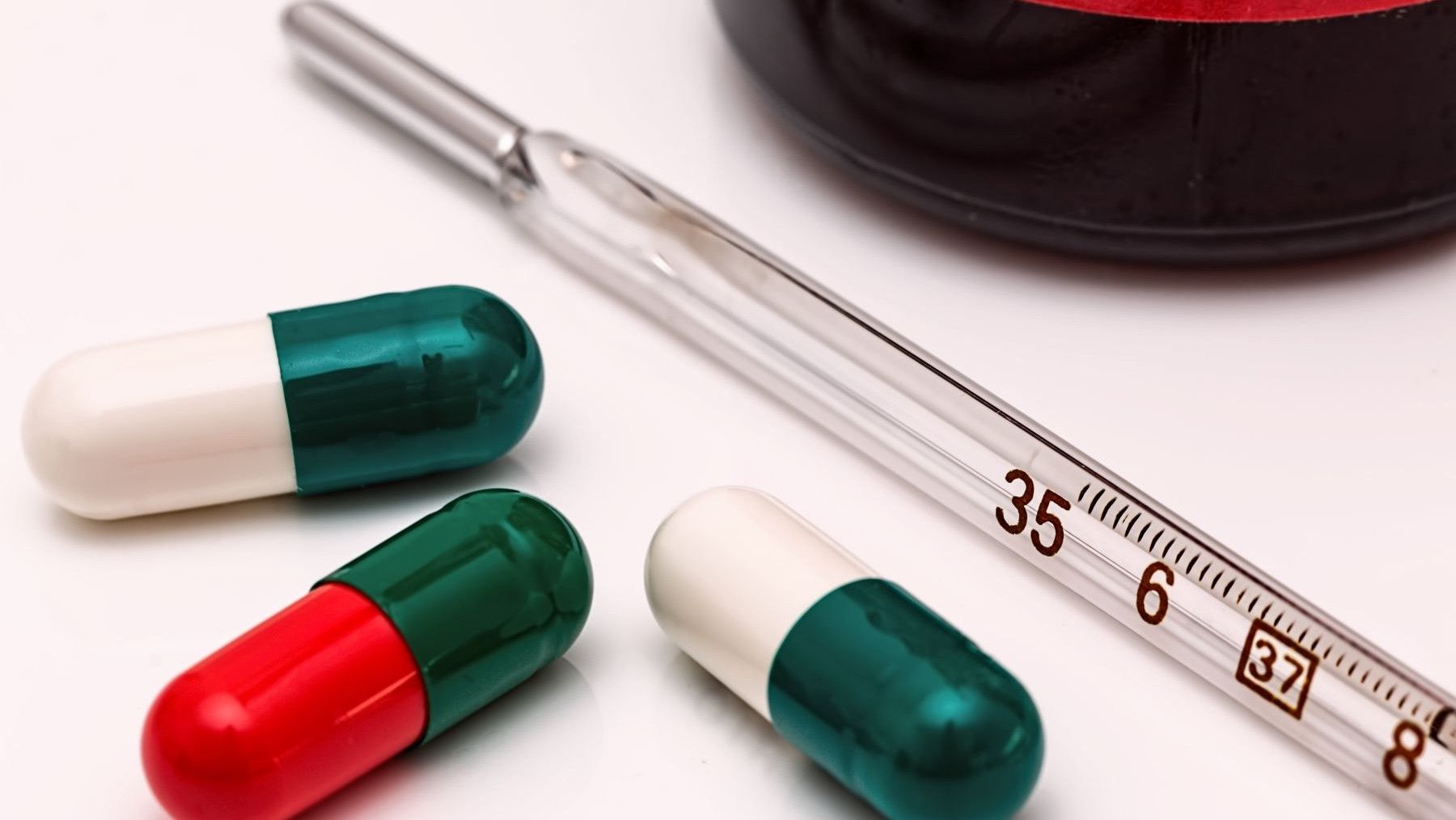
Antimicrobial resistance demands fighting contamination, preventing infections, and curbing the improper use of antibiotics: wasting the effectiveness of these essential medicines endangers lives.
A Week Dedicated to Antimicrobials
The antimicrobial resistance makes treatable infections increasingly difficult to fight. As pathogens develop more resistance, we lose tools that are essential for protecting human and animal health.
World Antibiotic Awareness Week, from November 18 to 24, 2026, calls for action under the slogan “One Health, One Action: Prevent AMR Now.” The connection between medicine, food, and the environment demands a joint response.
This critical urgency requires more funding, surveillance and prevention. Allowing treatments to lose their effectiveness while tolerating improper uses and a serious contamination undermines an irreplaceable health resource.
Antimicrobial Resistance: When Treatment Stops Working
AMR appears when bacteria, viruses, fungi and parasites stop responding to the medicines used against them, so addressing the problem solely as an issue of antibiotics would exclude antiparasitics, antifungals, and antivirals, which are an important part of the threat.
The WHO campaign places mortality associated with bacterial resistance at over 4.7 million people annually. “Associated” does not mean that all those deaths are exclusively attributable to resistance.
The figure calls for political accountability. The weakening of treatments increases pressure on health services and aggravates the extreme vulnerability of those who struggle most to obtain a diagnosis and care. Waiting for more therapies to fail would be a negligent neglect of priorities.
Pollution Also Compromises the Medicines We Need
Antimicrobial resistance links what happens in hospitals, livestock farms, sanitation systems, and ecosystems. Prevention requires addressing both resistant microorganisms and the residues of medicines that reach the environment.
The Global Action Plan 2026-2036 includes reducing that contamination and the use of antimicrobials, particularly in agro-food systems. It also calls for protecting the efficacy of treatments and preventing infections.
Industry, governments and the agri-food sector must demonstrate how they manage their waste and practices. Shifting all responsibility to consumers masks structural decisions. A polluted river does not recover with a publicity campaign, nor does environmental degradation get resolved by unloading its costs onto society.
Preventing Infections and Ensuring Access: Two Inseparable Obligations
Containing antimicrobial resistance requires secure water, sanitation, hygiene, vaccination and better diagnostics. Preventing infections reduces the need for treatments and protects the health system’s capacity to respond.
Responsible use must be accompanied by adequate access to effective medicines. A policy that restricts usage without ensuring access can deepen inequality; one that allows unnecessary uses accelerates the deterioration of shared tools.
Governments must coordinate health, agriculture and the environment, with monitoring of consumption and antimicrobial resistance. Corporate responsibility should also be subject to scrutiny. Protecting essential medicines requires correcting practices, not spreading reassurance messages while narrowing therapeutic options.
What Does the WHO Say?
WHO surveillance delivers another stark signal: one in six laboratory-confirmed, common bacterial infections in 2023 was resistant to antibiotics, according to its 2025 report.
Moreover, resistance increased in more than 40% of pathogen–antibiotic combinations studied between 2018 and 2023. The antimicrobial resistance is already limiting cure possibilities: delaying prevention exposes patients and healthcare workers to growing therapeutic helplessness.
