
The restriction on lead-shot pellets could prevent more than 550,000 tonnes of pollution over twenty years and protect us, especially children and birds. The environmental advance comes after a long transition and many exemptions that require solid oversight.
By 2033 there will be no more lead pellets
The European Union has approved a restriction on lead pellets, a source of pollution that can reach soils, waters and foods. Reducing that exposure constitutes a health and environmental victory, especially for children and birds that accidentally ingest these residues.
The Commission estimates that the new rules will prevent 550,000 tonnes of lead pollution over twenty years. However, its broad application will begin in 2033.
The contradiction deserves examination: Brussels recognises the existence of damage severe enough to ban these products, yet grants seven years to replace them. Manufacturers, distributors and users have this window to anticipate the change; waiting until the last moment would prolong entirely avoidable contamination.
The benefit is tangible: less lead in the environment and in our food
The Commission expects to protect approximately 1.1 million children and more than 156 million birds. These are estimates of the anticipated benefit; they should not be confused with death toll figures directly attributable to the use of this ammunition.
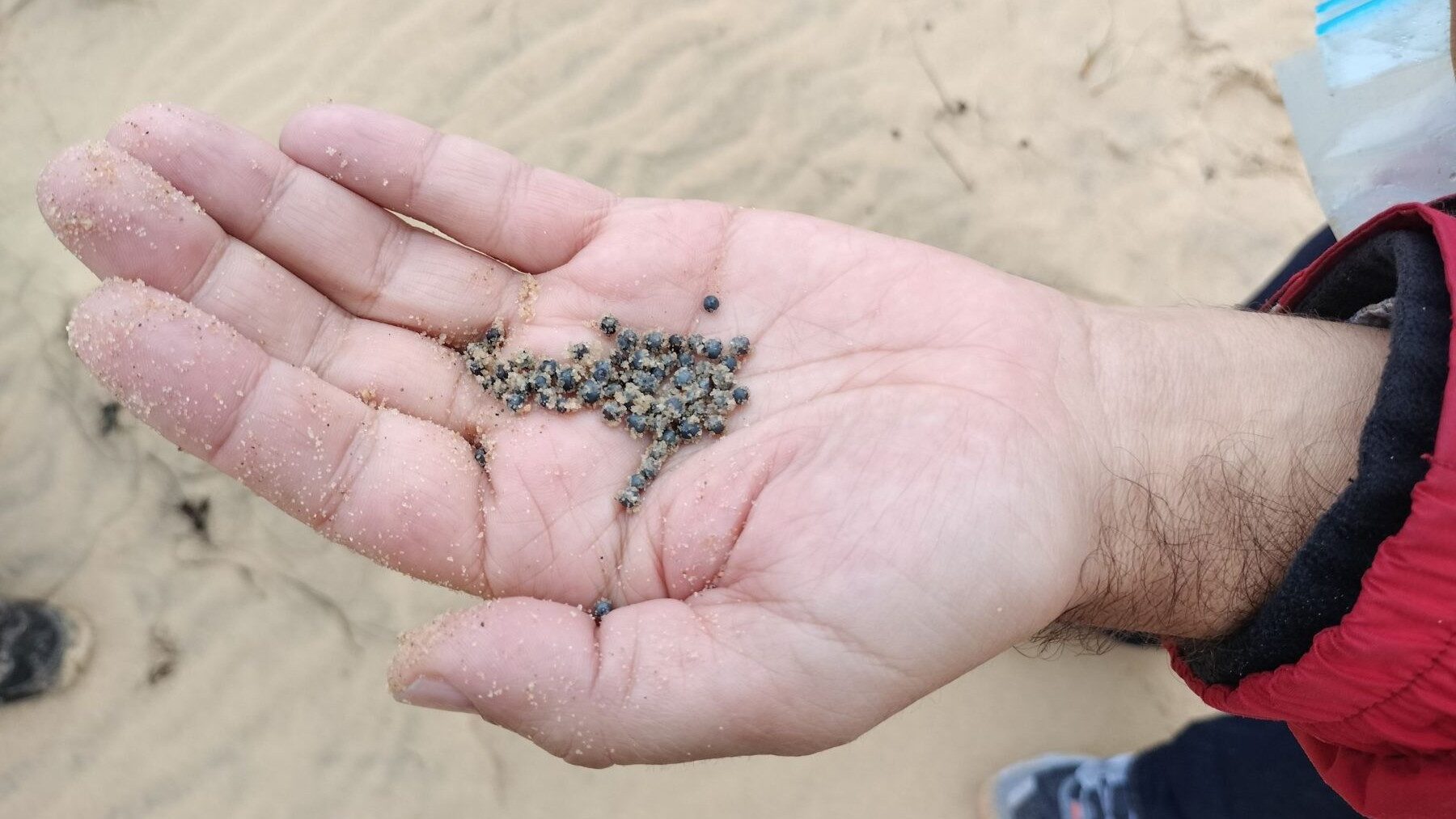
The lead pellets left abandoned on the ground can be ingested by birds and other animals. The pollution can also affect people who are exposed through contaminated water or food, including certain game meat.
Firing does not make the metal disappear, but ends up depositing it in an environment where it can continue causing countless problems. The environmental cost does not end when hunting activity stops, because the pollution risk persists.
Replacing the lead pellets allows tackling the source of that contamination. It is a preventive measure with a clear and recognizable objective: to prevent the continued dispersal of a highly toxic material before we have to face its consequences.
No es una prohibición para todas las balas ni de cualquier uso
The restriction affects the use and sale of lead pellets with a content equal to or greater than 1%. It should not be presented as a blanket veto on all ammunition containing this metal.
The Commission sets the implementation from the 7 December 2033 and contemplates an exception for sport shooting in ranges equipped with adequate lead containment measures. Military and security uses are beyond scope.
An exception does not render the pollutant innocuous. In shooting ranges, the effectiveness of the containment of the lead pellets must be verified through exhaustive checks and proper maintenance, because the installation alone is not sufficient if the surroundings are not cared for.
Authorities must know how to explain how these conditions should be supervised. A restriction loses its protective capacity when the exceptions allow the continuation of practices without verifying that the lead is under control.
Seven years of adaptation should not become seven years of passivity
The Commission justifies the deadline to facilitate the adaptation of hunters, shooters and shooting ranges to lead-free alternatives. That transition requires planning, information and availability of suitable products.
But the regulatory timetable does not obligate extending the use of lead pellets until 2033. Manufacturers and distributors can push substitution earlier, and sector organizations must contribute to informing about the change.
National governments must prepare the monitoring methodology that will be applied to the marketing and to the enforcement of the restrictions. Approving the regulation without providing funding for its implementation would leave part of its effectiveness on paper.
The success will be achieved when the dispersion of toxic lead is reduced during the transition, in addition to, when the mandatory date arrives, effective compliance with the regulation.
The new prohibition will not automatically remove the lead that has already accumulated in places where shooting has already occurred. Preventing new inputs and managing existing contamination are tasks as distinct as they are necessary. Celebrating the progress requires taking on both: turning off the tap does not by itself clean up what has been poured for years.
