
Antibiotic-resistant bacteria don’t stay confined to hospitals, homes, or farms. They reach wastewater, rivers, and coastal waters, and climate change could help them accumulate and spread. This warning comes from the European Environment Agency (EEA) in a report published on November 18.
The report is released on European Antibiotic Awareness Day. According to the agency’s note, the problem calls for a “One Health” approach. That is, addressing the health of people, animals, plants, and ecosystems together.
35,000 estimated deaths per year
Antimicrobial resistance arises when microorganisms learn to survive treatments. Infections become harder to cure, last longer, cost more, and kill more people.
It is estimated that more than 35,000 people die each year from antibiotic-resistant infections in the European Union and the European Economic Area. The agency cites this estimate from the European Centre for Disease Prevention and Control, from 2022.
Globally, its health burden is comparable to HIV or malaria. The improper use of antimicrobials in people, animals, and plants is one of the main drivers of the problem.
From wastewater plants to rivers
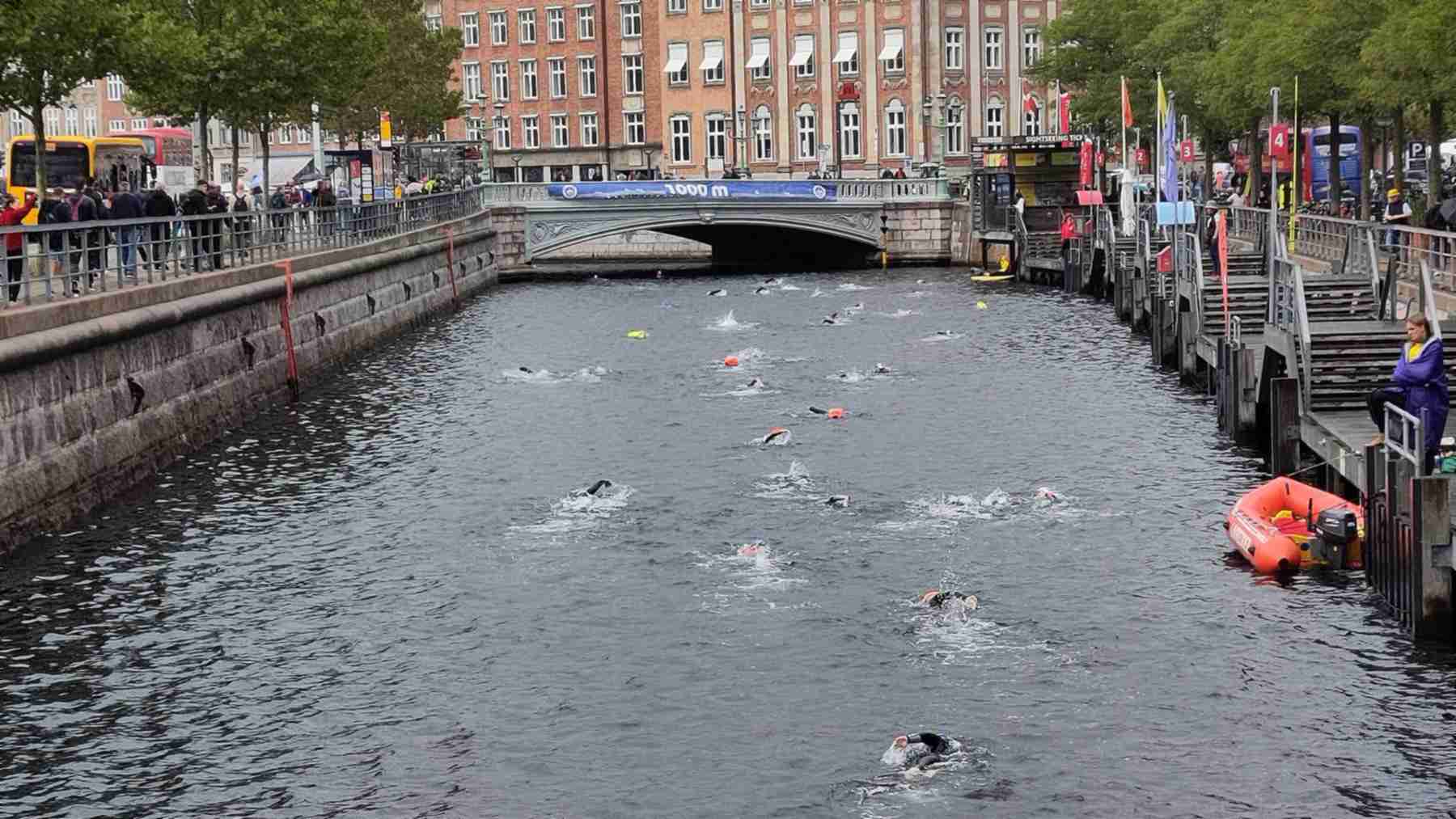
Rivers, lakes, and coastal waters receive traces of antibiotics, antibiotic-resistant bacteria, and resistance genes. They come from urban wastewater treatment plants, industrial discharges, and sewage overflows during storms.
They also arrive with sewage sludge, agricultural runoff, manure, aquaculture, and even wildlife. Water thus connects the human world, the animal world, and the plant world.
Although wastewater treatment plants greatly reduce bacterial load, traditional treatment is not designed to completely remove resistant bacteria or their genes.
The EEA does not focus on households. Still, it is worth remembering that flushing leftover antibiotics down the drain is exactly what should not be done.
Metals and pesticides also count
The remnants of antibiotics are not the only pressure faced by bacteria in water. According to the report, metals, pesticides, and many pharmaceuticals present in water can promote resistance through a mechanism called co-selection.
It works indirectly, because exposure to a contaminant, for example a metal, ends up selecting bacteria that also resist antibiotics. The agency links this to the EU’s zero-pollution action plan. Reducing those contaminants to harmless levels would also reduce the risk of fueling resistance.
Heat, drought, and floods
According to the agency, climate change influences resistance through several pathways. Warmer water can support bacterial survival or growth and may affect how they exchange genes.
With low flows and drought, wastewater contaminants are diluted less and their concentration rises. At the other extreme, heavy rains and floods wash away contaminated runoff and untreated sewage.
These episodes can raise contamination for several days and, in extreme cases, for weeks. The risk is fully felt in the Spanish Mediterranean. There, the harms encounter more fuel in an ever-warming sea.
A lack of common monitoring methods
The agency acknowledges that the real impact on public health is still poorly understood. Merely the presence of resistant bacteria or genes in water does not pose a direct risk. There must be an exposure pathway.
The problem is that resistance in the environment is monitored less systematically than in hospitals, farms, or food. A pilot study by the European Eionet network showed that coordinated surveillance is possible. But there is a need for common methods and indicators.
Among the actions proposed in the report is evaluating how floods and droughts affect the spread of resistance. It also calls for identifying contamination hotspots and comparing data across countries.
The directive already requires monitoring it
The European Union’s urban wastewater directive, revised in 2024, already requires harmonized monitoring of resistance in those waters. The European Commission’s Joint Research Centre prepares laboratory analyses and reference materials.
This same directive obliges the pharmaceutical and cosmetic industries to pay a large share of the depuration of microcontaminants. In Spain, that allocation has sparked a debate about the costs of wastewater treatment.
With the revised Water Framework Directive, the European Chemicals Agency (ECHA) also studies new indicators. They could enter monitoring lists. You can consult the details in the agency’s report.
Image: Caroline Whalley/EEA
