
WWF warns that the financial system can also exacerbate the environmental crisis when it continues to back actions that pollute and overexploit resources
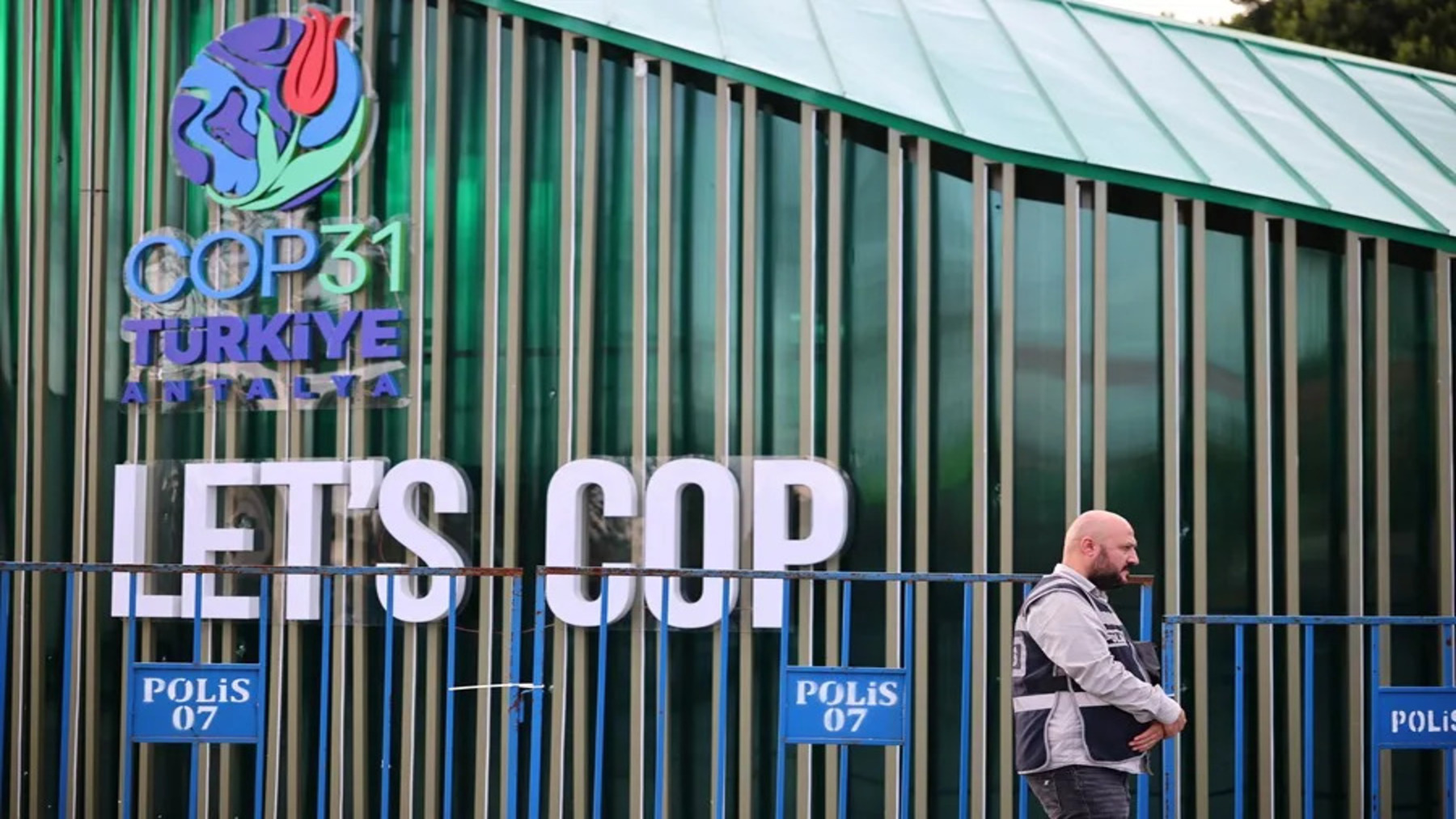
As if it were Groundhog Day, COP31 brings nothing new and has become yet another climate summit. Dozens of verbal commitments, but a reality that has hardly changed and that underscores that the climate emergency remains and that enough is not being done to curb it.
COP31 in Antalya faces the end of its first week with progress that WWF clearly regards as insufficient and with a persistent question that keeps coming back: putting money on the table so that the most vulnerable countries can cope with the effects of global warming.
“Because recognizing that the planet is in danger is very good, but without funding, adaptation and concrete measures, speeches will hardly prevent the disaster,” say the environmental NGO WWF.
A COP31 that does not clarify anything new about climate finance
The environmental NGO denounces that negotiations continue to fail to resolve fundamental issues such as emission reductions, adaptation, losses and damages, and the resources needed to implement the commitments.
“The 1.5-degree limit continues to appear in governments’ speeches, but the gap between what is acknowledged at the summits and what is actually financed remains enormous,” they argue in this regard.
The figures tell the story. According to the UNEP Adaptation Gap Report 2026, developing countries will need around 305,000 million dollars annually by 2035 to tackle climate impacts. However, international public funding for adaptation from developed countries stood between 28,200 and 31,700 million dollars in 2024.
The gap is devastating. Even if the goal of tripling that funding by 2035 is met, it would cover only about 20% to 29% of the estimated needs.
In other words: the countries that need resources most to protect their populations will still have to face a large portion of the climate bill with insufficient means.
The pollution continues
“The 1.5-degree limit continues to appear in governments’ speeches, but the gap between what is acknowledged at the summits and what is actually financed remains enormous,” they argue in this regard.
But the problem does not end with money. WWF warns that it is also necessary to examine where the funding ends up and which activities are being supported. Rivers, wetlands, and aquifers are natural infrastructures essential for preventing floods, ensuring water, and reducing vulnerability to droughts. Yet their degradation and contamination continue to magnify environmental and economic risks.
And here arises another contradiction, namely that the very financial system may be contributing to the problem when it backs activities that overexploit or pollute water resources.
Central banks, regulators, and supervisors therefore have an important role in incorporating these risks into their decisions.
In light of all this, WWF demands that protecting nature stop being a secondary item and become a priority within economic and financial strategies.
Its global head of Climate and Energy, Manuel Pulgar-Vidal, insists that understanding the risks does not equate to taking action and calls for electrification to be backed by renewable energy sources.
And as governments haggle over figures and draft declarations, vulnerable communities remain exposed to droughts, floods, and water scarcity. And nature does not wait for another climate summit to be organized in a few months or a year.
