
The European Parliament and the EU Council agreed on November 19 to grant two additional years to those who import gas, oil, and coal. This is the extra time to apply part of the European methane regulation, and it doubles the one-year extension the European Commission had requested. Brussels justifies it by the strain the conflict in the Middle East has placed on energy markets.
The Commission reports this in its daily briefing today. According to Brussels, the pact preserves “the ambition, integrity and scope” of the rule. But importers will take longer to show how methane in the imported fuel is measured and controlled.
From One Year Proposed to Two Years
The Commission proposed on October 14 to delay by one year several obligations for importers. These were the monitoring, notification and verification of emissions of natural gas, oil and coal. With them, the methane-intensity requirements for importers and EU producers were postponed.
The finalized text this morning postpones two years “certain requirements” for importers and for EU operators. The Commission’s note does not detail which ones or the exact dates they will apply.
According to Brussels’ official guidance, from January 1, 2027 importers were supposed to report whether their suppliers apply a measurement system equivalent to the European one. The data on methane intensity in contracts were due by August 5, 2028. It remains to be seen whether the agreement shifts those dates exactly.
What It Means for Emissions
Methane is the second most impactful greenhouse gas after CO2. Over a 100-year horizon, it warms the planet almost 30 times more than carbon dioxide. Looking at a 20-year horizon, its warming impact is about 82.5 times higher, according to the Commission’s methane page.
Around 60% of the methane in the world comes from human activity, and a third of that portion from the energy sector. The International Energy Agency estimates that more than 200 billion cubic meters of gas are wasted each year through burning, venting, and leaks. Brussels recalls that those volumes alone could cover two-thirds of the EU’s annual consumption.
How much extra methane will these two years of delay entail? Neither the agreement nor the Commission quantifies it. The Commission describes its regulation, in force since August 2024, as the world’s first comprehensive law that also governs methane from imports.
Ormuz, Behind the Slowdown
The Commission justified its proposal by the prolonged closure of the Strait of Hormuz. According to Brussels’ Q&A, around 20% of the world’s liquefied natural gas traded passes through there. The same route accounts for about 25% of the petroleum that travels by sea.
With contracts and routes under pressure and few near-term alternatives, Brussels does not want added risks to supply. The Commission says Europe faces a winter that could be very difficult due to high energy prices. TotalEnergies, by contrast, believes the Hormuz crisis could accelerate the energy transition.
Fines Suspended Until 2029
The sector had already received another reprieve earlier this year. In July, the Commission recommended that countries suspend fines on importers who fail to comply. The pause covers three years, from 2027 to 2029, although the obligations remained in place.
The official guide adds that countries should not impose penalties that jeopardize energy supply. In October, Brussels proposed delaying methane checks. Now the Parliament and the Council double the timeline.
What Still Needs to Be Approved
For the moment, the agreement is provisional. It must be officially approved by the European Parliament and the EU Council. Afterwards it will be published in the Official Journal of the European Union and come into force.
Meanwhile, the Commission is preparing implementing acts, such as templates for oil companies, gas traders, and mining firms to report their emissions. In the United States, the Trump administration has opted for fewer methane controls on oil and gas.
In 2021, the EU advanced with the United States the Global Methane Commitment. It aims to cut these emissions by 30% by 2030. And in parallel it promotes other avenues, such as European biomethane to reduce fossil-fuel dependence.
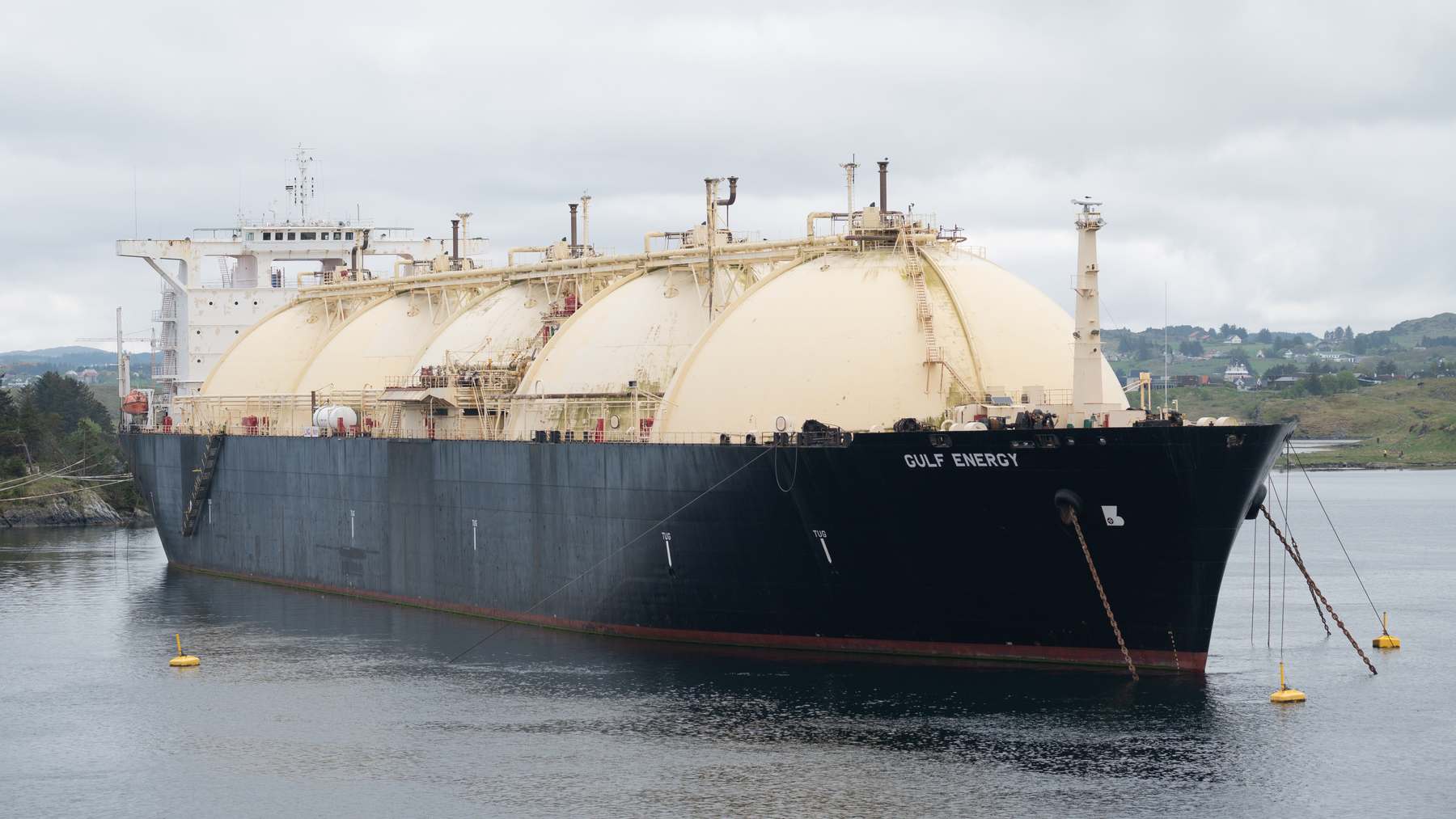
Image: Gordon Leggett (Wikimedia Commons, CC BY-SA 4.0)
