
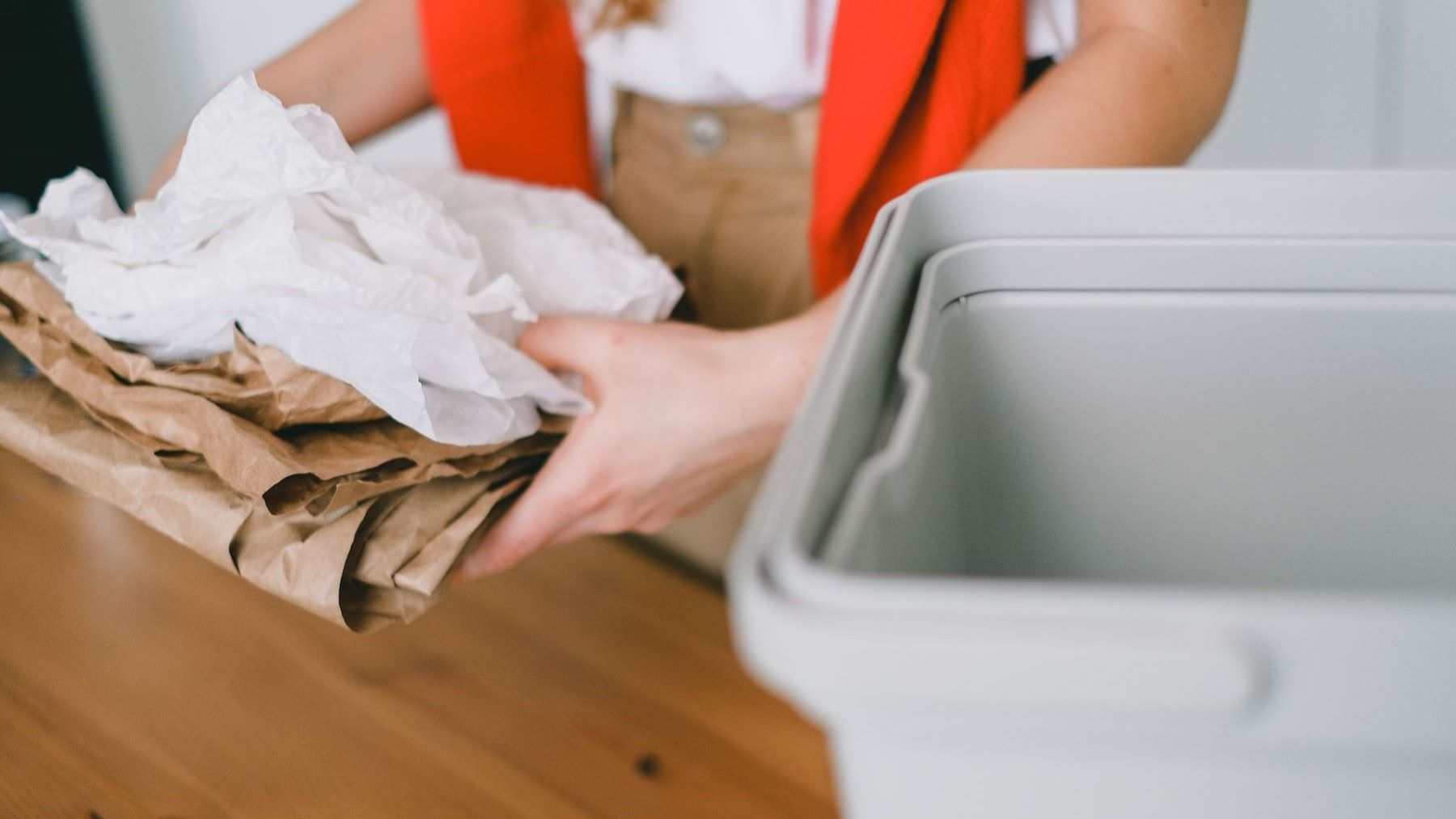
The European Week for Waste Prevention 2026 runs from November 21 to 29 and centers on material sufficiency: reducing resource consumption, getting the most out of existing products, and extending their useful life.
The European Week for Waste Prevention 2026 takes place from November 21 to 29 with a proposal that starts before filling the bin: assess what we need to buy and how we can make the most of what we already have. The theme of this edition is material sufficiency, focused on reducing resource consumption and preventing waste generation.
Borrowing an item for occasional use, repairing a device, or replacing disposable products with reusable ones are decisions that allow action at the source. The campaign brings together initiatives from administrations, companies, educational centers, associations, and citizens to turn these possibilities into concrete actions and share their results.
Recycling remains important, but prevention takes the top place in the waste hierarchy. Extending the life of products and facilitating their reuse helps make the most of materials and reduces the need to manufacture replacements. The week invites shifting that priority to purchases, services, and everyday activities.
European Week for Waste Prevention 2026
Today marks the start of the European Week for Waste Prevention 2026. Also known by its initials: SEPR, this is an initiative aimed at promoting awareness about sustainable management of resources and waste. It is celebrated during the last week of November, which this year runs from the 22nd to the 30th.
In Europe, every day new initiatives and projects are launched to reduce the amount of waste we generate. During the European Week for Waste Prevention, participants have the opportunity to present projects aimed at zero waste, forge alliances, and test new initiatives with a broader audience.
The European Week for Waste Prevention 2026 is a European initiative that brings together leaders and volunteers, representing the different member states of the European Union across all sectors, to discuss this topic, raise awareness, present projects, exchange ideas, and seek functional and applicable solutions.
WEEE: The central priority of the European Week for Waste Prevention 2026
The aim of the European Week for Waste Prevention 2026 is to raise awareness about the possibility of reducing the amount of waste we generate. To achieve this, the event focuses on the three top levels of the waste management hierarchy: prevention, reuse, and recycling.
As each year, a main theme is chosen, and for 2026 it is the management of Waste Electrical and Electronic Equipment (WEEE), focusing on the importance of optimizing collection, treatment, and recycling, as well as the need to implement preventive measures such as reduction, repair, and reuse of these devices to minimize their environmental impact.
The 3Rs: reduce, reuse, and recycle as the basis for change
The waste management hierarchy is depicted as a pyramid or inverted triangle. At the top level, the proposal is to reduce waste, use fewer raw materials, and avoid production at the source.
The second level involves reusing products, preparing and implementing product reuse, and the third level aims to recycle materials and sort waste. The fourth level involves recovering energy and treating waste.
The waste hierarchy describes how and in what order individuals and organizations should make decisions about waste production and management. The best way to achieve it is to follow these steps:
Waste prevention: how to apply the hierarchy in your daily life
Ask yourself whether you really need every product you buy. Perhaps it is possible to borrow, rent, or repair it to meet your needs. Also, check whether the packaging of the product you purchase is truly necessary.
Reuse
Pledge to replace all disposable products you use in daily life, at your office or in your company, with reusable ones. Lead by example and encourage your family, friends, partners, and employees to do the same.
Recycling
Decide to properly sort waste at home, in your business, workplace, or leisure space, etc. Start by implementing the first two steps so that recycling becomes only a small part of your overall waste reduction efforts. Recycling is better than throwing away, but that means you have already generated waste.
Beyond these levels, others are added, such as reduction. To achieve it, you can apply eco-design and innovation guidelines if you manufacture any product, choose better what you buy, or avoid over-packaging, among other examples, with the aim of minimizing the amount of waste. Repairing before discarding is also one of the variables to consider.
European Week for Waste Prevention 2026 in Spain: initiatives and participation
In Spain, this European Week for Waste Prevention 2026 will be an event that all autonomous communities and the vast majority of municipalities will seize to organize activities that promote the diverse recycling networks that exist, inform, gather ideas, and help combat the plague that is waste.
It should not be forgotten that while the European Week for Waste Prevention 2026 aims to raise awareness about prevention and reduction of waste, the best way to manage it is not to produce it.
The scale of the challenge is evident in Eurostat data: the European Union generated 517 kilograms of municipal waste per inhabitant in 2024, about 1.4 kilograms per day. This category includes household waste and other similar waste from shops and institutions. The figure helps explain why simply sorting correctly is not enough to address the whole problem: avoiding unnecessary packaging, reducing waste, and keeping products in use allow intervention before those materials require collection and treatment.
