
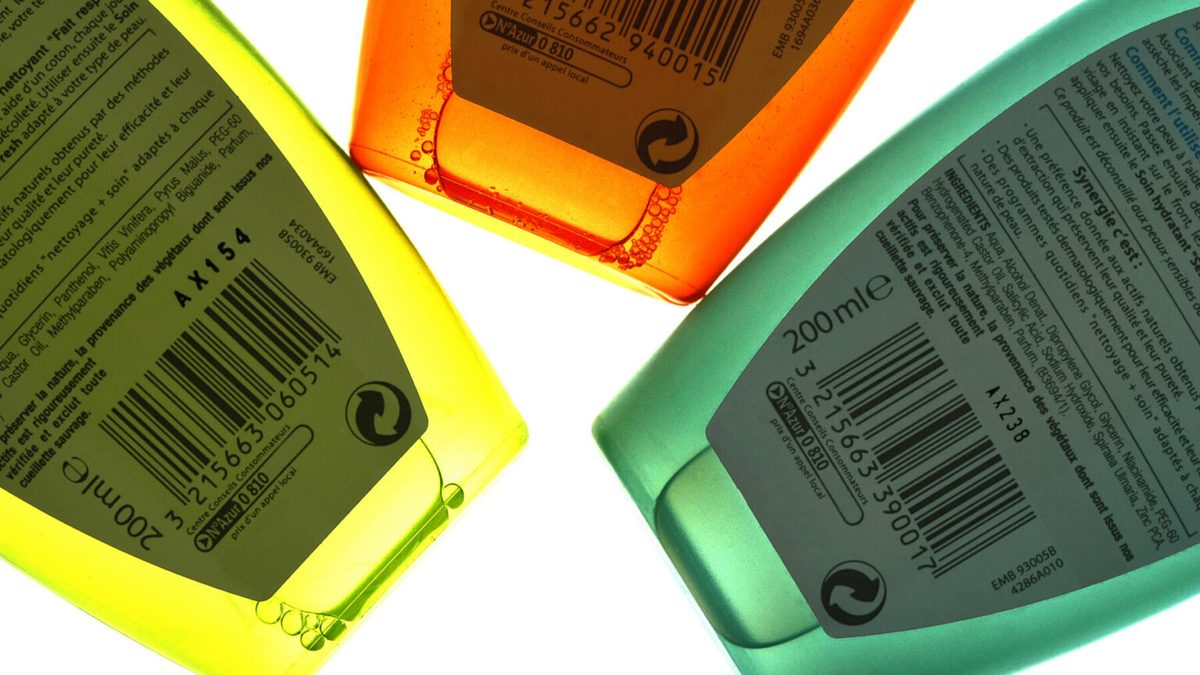
A bottle of shampoo or shower gel containing microplastics added on purpose already has a release date for European stores: October 17, 2027, and the same will apply to conditioner or any other rinse-off cosmetic. No one decided this week, because the date has been listed since 2023 in the European microplastics regulation, but it is now less than eleven months away and it is another item in a calendar that began with loose glitter and exfoliating microbeads and ends in 2035 with makeup.
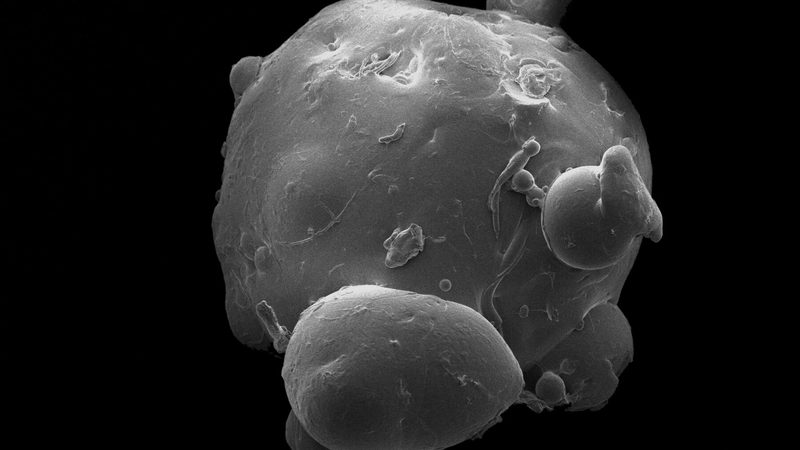
The regulation in question is Regulation (EU) 2023/2055 (which can be viewed at this EUR-Lex link), by which the Commission added entry 78 to Annex XVII of REACH, the section where Brussels records the chemical substances it restricts. A microparticle is defined as any piece of synthetic polymer with “all dimensions equal to or below 5 mm,” roughly the size of a grain of rice, unless it dissolves or degrades according to the criteria set out in the text itself.
In the press release announcing the measure in September 2023 (IP/23/4581), the Commission spoke of “organic, insoluble, and degradation-resistant” particles smaller than five millimetres. The release also warned that there would be “exceptions and transitional periods to allow affected parties to adapt” where adequately justified.
The first phase has been in effect since October 17, 2023 and mainly targeted non-adherent glitter and the microbeads in exfoliants and cleansers; that is why they are no longer found in rinse-off cosmetics, although the rest of those products still have until 2027.
Which products fall on each date
Section 6 of the restriction specifies from which day each product type may no longer be marketed:
- October 17, 2027: rinse-off cosmetics, such as shampoos, gels, and conditioners.
- October 17, 2028: detergents, waxes, polishes, and air fresheners, as well as fertilizers and agricultural products not covered by other rules.
- October 17, 2029: leave-on cosmetics, fragrance encapsulation, and medicinal products.
- October 17, 2031: phytosanitary products, treated seeds, biocides, and the granular infill of artificial turf.
- October 17, 2035: lip products, nail products, and makeup.
For the latter category, the regulation also requires that, between October 17, 2031 and October 16, 2035, the label must bear the sentence “This product contains microplastics.” The granular infill of artificial turf is, according to the Commission, “the largest source of intentional microplastics in the environment,” and it still has one of the longest timeframes.
The regulation does not ban all plastics
The restriction prohibits selling, not using, and focuses on particles deliberately added. It therefore does not affect packaging or microplastics released due to wear and tear of tires or clothing. The Commission’s estimates indicate about 500,000 tons of microplastics will stop entering the environment over roughly twenty years, compared with more than 42,000 tons of microplastics added to products that, as Recital 8 states, are released each year.
Then-Environmental Commissioner Virginijus Sinkevičius defended the measure in 2023, noting that “microplastics are found in seas, rivers, and soil, as well as in food and drinking water.” In his view, the restriction “affects very small particles, but it is a big step toward reducing pollution of human origin.”
Thus, from October 2027, shampoo sold in European stores will no longer be able to contain added synthetic micro-particles, while lipstick will still have eight more years to adapt.
