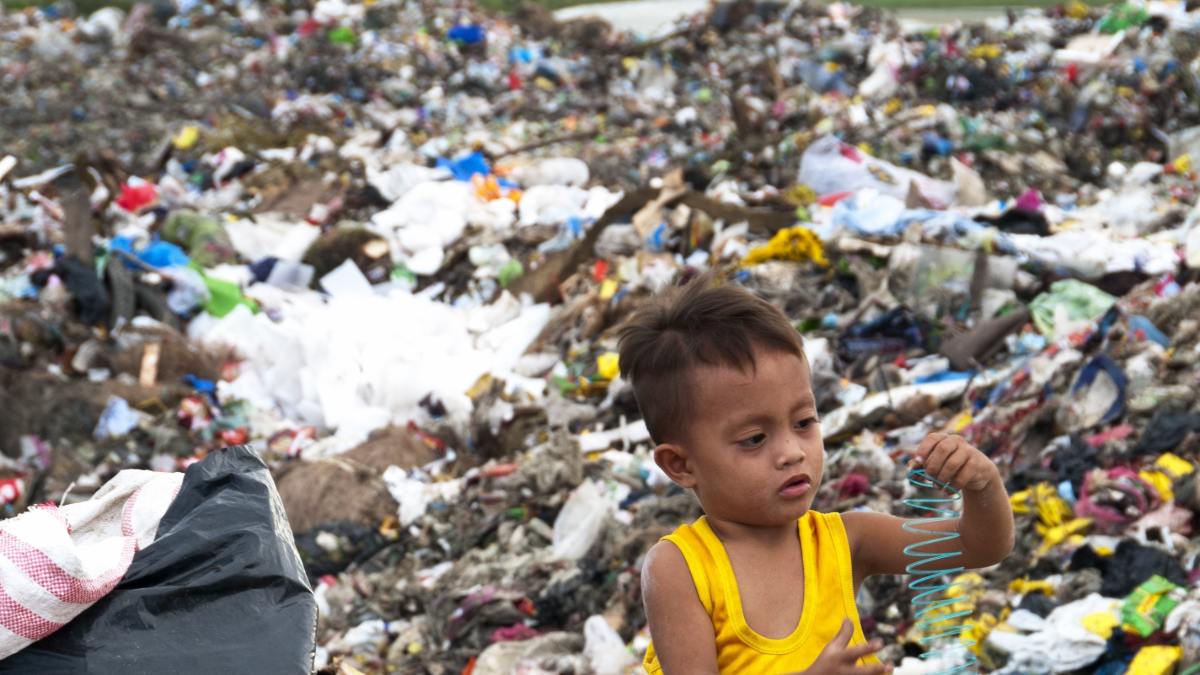
Nearly three in ten Brazilian municipalities relied on open dumps or landfills to deposit their waste in 2024, despite the final legal deadline to end this type of dumps having passed in August of that year, according to a government report released on Wednesday.
The 2024 National Basic Sanitation Survey, conducted by the Brazilian Institute of Geography and Statistics (IBGE), noted, however, that the share of municipalities in the country offering selective waste collection rose from 17.9% in 2008 to 48.1% in 2024.
1,562 Brazilian municipalities still using illegal dumps despite the deadline to eliminate them
According to the agency, 1,429 Brazilian municipalities, representing 25.7% of the 5,561 that provide urban cleaning and waste management services, still had open dumps within their territories in 2024.
If you include places that dumped their waste in illegal dumps in neighboring municipalities, the figure rises to 1,562, or 28.9%.
The northern region bears the brunt: 69.2% of its municipalities still rely on open dumps
The situation is particularly alarming in the northern region, where 69.2% of municipalities relied on this waste disposal system.
These dumps persist despite Brazil’s 2010 solid waste legislation that requires replacing open dumps and other inadequate disposal methods with environmentally safe facilities.
The final deadline to meet this requirement, covering municipalities with populations under 50,000, expired on August 2, 2024.
Recycling also struggles to take off: fewer than half of Brazilian municipalities have selective waste collection
Meanwhile, selective waste collection has expanded in Brazil. A total of 2,675 municipalities, or 48.1%, reported having some form of selective collection activity.
In the northern region, the most alarming, this service rose from 4.7% of municipalities in 2008 to 24.7% in 2024.
However, regional differences remain substantial. Selective collection is present in 74.5% of southern municipalities and 54% of those in the southeast, but only in 33.4% of the northeast and 24.7% of the north.
The study also found that 67.3% of municipalities with conventional collection do not weigh the waste they collect, a shortcoming that hinders the planning of recycling policies and environmental management.
The waste Brazil would rather ignore: pollution, inequality, and a law still not complied with
Open dumps release methane, a potent greenhouse gas, and can contaminate soils and water through the toxic liquids produced as waste decomposes.
The United Nations Environment Programme warns that poor waste management worsens pollution, threatens biodiversity, and increases health risks for nearby communities.
Brazil approved its waste legislation in 2010, but data show that having a law does not guarantee compliance: the most vulnerable communities continue to pay the price of a waste-management model that remains flawed.