
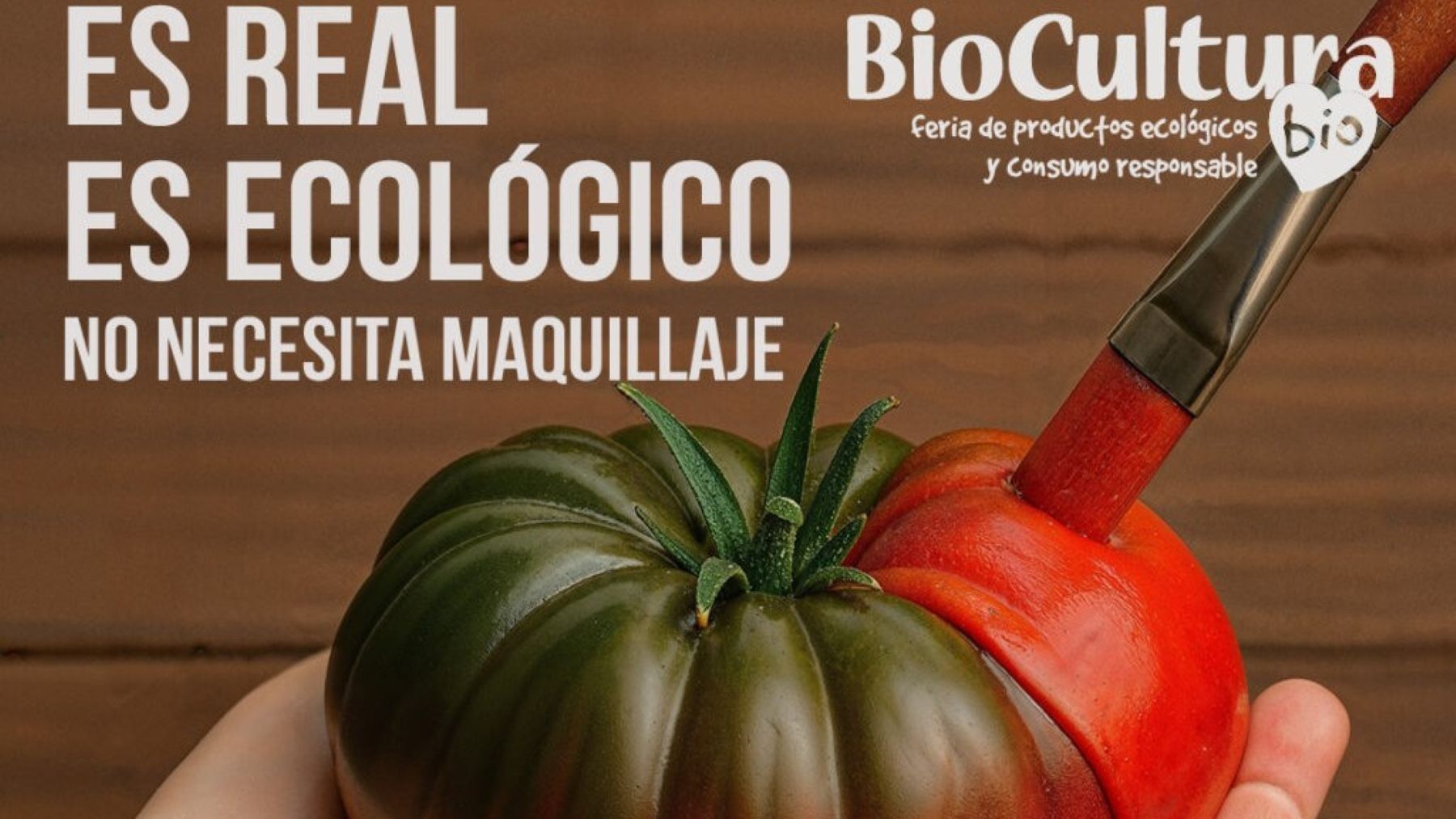
BioCultura Madrid 2026 will bring together more than 400 exhibitors in its 42nd edition and anticipates 55,000 visitors, though sector growth does not hide its major contradiction: price limits access to a broader audience for ecological consumption.
BioCultura Madrid and the quest to make sustainable purchasing accessible to all
BioCultura Madrid is gearing up for its 42nd edition with a clear contradiction on the table: organic food is gaining prominence, but price continues to constrain who can access it. The fair will bring together about 400 exhibitors and is expected to welcome more than 55,000 visitors, taking place from November 26 to 29 at IFEMA.
The organization presents responsible consumption as a transformation that is already consolidated and cites Ecovalia’s report placing organic foods in 67% of Spanish households. This presence deserves recognition, although entering a basket does not equate to becoming a habitual purchase.
The challenge for BioCultura Madrid 2026 and the sector is to broaden access and provide information that is clear and reliable. A dietary transition should not depend on comfortable incomes, which raises an uncomfortable question for administrations and companies: how do they plan to turn environmental interest into options that are more affordable for more families?
The ecological showcase grows, but the wallet still rules
BioCultura Madrid 2026 will devote most of the fair to organic food, but it will also offer other sector products, such as eco-natural cosmetics and personal hygiene, sustainable fashion, furniture, home decor, rural ecotourism and renewable energies. The diversity of the fair provides visitors with a space to discover alternatives, compare different products, and inquire about their features and certifications.
The program includes more than 300 parallel activities, including conferences and workshops, in addition to MamaTerra, the ecological festival exclusively for children. The educational dimension can add great value if it helps people understand practices, certifications, and limits, without replacing rigorous explanations with commercial messages that appear environmentally friendly.
The data released by the organization place the Spanish market at approximately 3.25 billion euros, with about €66 per capita expenditure. They note that in 2025 there was a growth of 4.2%, after the stagnation of the previous year, and they highlight that Catalonia, Galicia, and Madrid are the most consumer regions in the sector.
This is a real and favorable advance that should be valued without triumphalism. The organization itself acknowledges that domestic consumption remains weak. BioCultura Madrid thus offers an opportunity to discuss what holds back purchases and what measures could bring certified products closer to consumers with different budgets.
Sustainability should not depend on a comfortable income
The presented profile concentrates 70% of consumers over 50 years old, mainly middle-to-upper-income couples, with or without children. This reality presents a challenge: broaden the social base of ecological consumption and prevent its growth from being limited to certain groups.
Price and information appear as outstanding issues. According to BioCultura Madrid, there is a buyer who wants to commit, but when they have to decide, they are conditioned by cost.
Blaming the consumer is neither logical nor profitable: companies and administrations must explain how it is possible to facilitate more affordable alternatives and how to support informed decision-making.
BioCultura Madrid 2026 also captures the interest in buying directly from producers. A study by ClicKoala, the University of Castilla-La Mancha, ANDATA and Empíria places that declared preference at 97%. The figure expresses intent; it does not demonstrate that such purchases materialize or that they are always feasible.
Ecological production also contributes a female presence that deserves visibility. The disseminated data place women at the head of 32% of ecological farms, compared with 28.6% of the entire agricultural sector. Consolidating that leadership requires opportunities and recognition, as well as statistical celebrations.
Health sells, but promises need proof
The organization identifies health as the main purchasing motivation, while environmental impact and animal welfare gain weight. It is wise to separate motivations and evidence: buying a product for health does not certify specific medical effects nor does it turn its ecological certification into a therapeutic guarantee.
Among the reported increases are yogurts, at 26%; functional beverages and kombuchas, at 21%; seeds, at 20%; baking products, at 17%, and baby foods, at 14%. These are commercial figures that require context, not promises about individual benefits.
BioCultura Madrid 2026 can reinforce more conscious consumption if it combines visibility for producers, comparison and rigor. The challenge will be to translate its ability to attract crowds into lasting relationships and better information. The ecological label must be understandable and verifiable, especially when used as a sales argument.
