
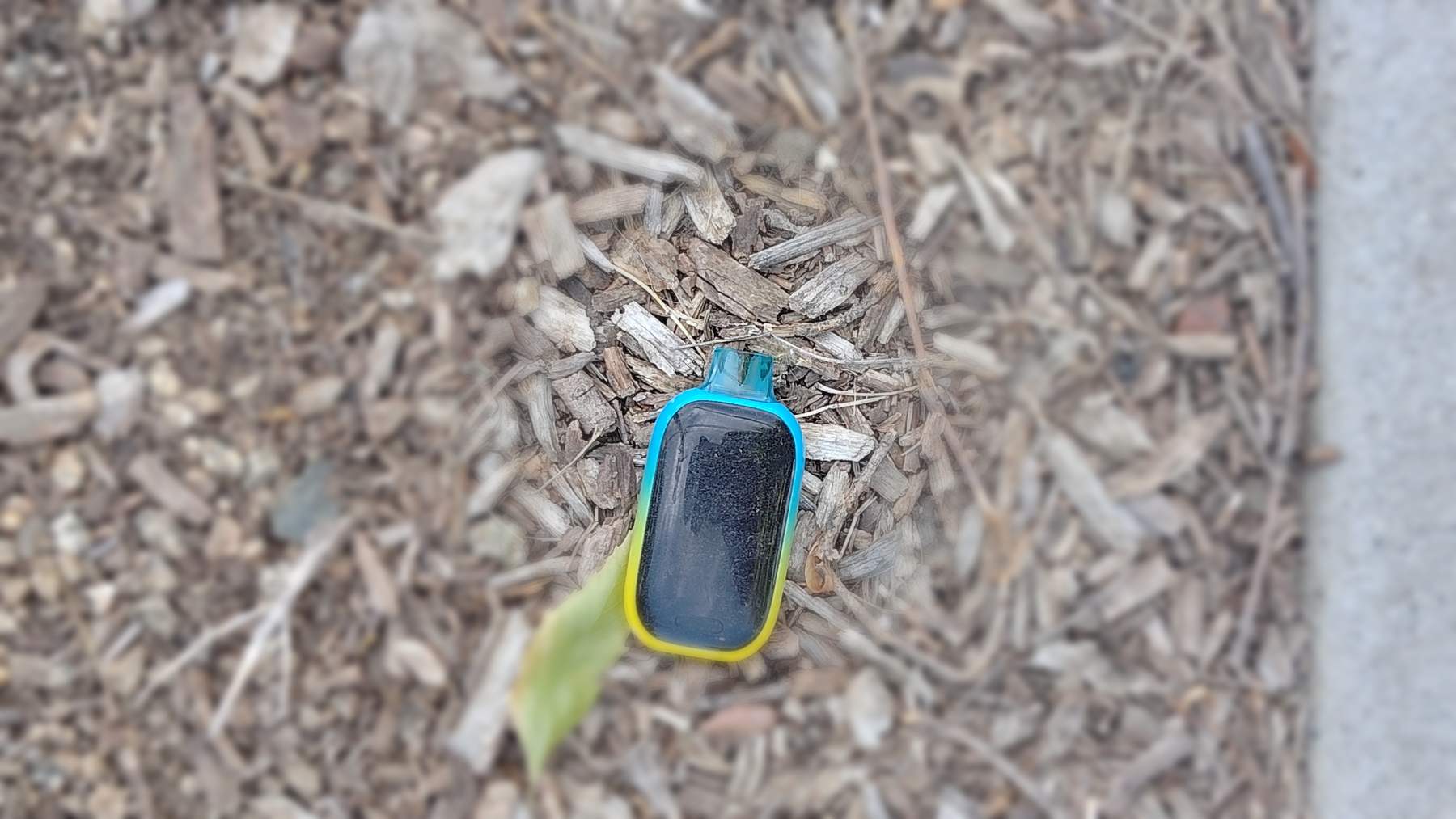
California Governor Gavin Newsom signed on September 28 the AB 762 law, introduced by Democratic Assemblywoman Jacqui Irwin, which bans the sale of nicotine disposable vapes in the state starting January 1, 2028. Fines can reach up to $2,000 per violation, and licensed tobacco retailers will lose their license if those devices are confiscated three times.
A disposable vape contains a lithium battery that cannot be removed and is designed to be discarded once the e-liquid is finished. Irwin described the signing as “another step in the right direction” in a statement from her office.
Signed on September 28, with two key dates
Starting January 1, 2027, no one will be allowed to import or manufacture disposable vapes for sale in California, whether new or refurbished, and from January 1, 2028 it will be illegal to sell, distribute, or offer them. Stores have the entire year 2027 to liquidate whatever stock remains in their warehouses.
AB 762, introduced in February 2025, was recorded as Chapter 717 of the 2026 laws. The Assembly passed it in January by 50 votes to 17, and on August 26 it accepted the Senate’s amendments by 47 to 16. It was co-sponsored by Californians Against Waste, CALPIRG, the California Product Stewardship Council, and RethinkWaste, a public waste authority in San Mateo County.
Only the rechargeable and refillable are saved
The law defines a disposable device as any vaporizer that contains a tobacco product, nicotine included, that is not designed for reuse and that cannot be refilled or recharged. This dual requirement closes a simple loophole for manufacturers: a device with a charging port that cannot be refilled remains disposable.
According to Irwin’s statement, from 2028 only nicotine vapes that are simultaneously rechargeable and refillable may be sold.
Batteries that burn in trucks and processing plants
According to Irwin’s office, more than 12 million disposable vapes are sold every month, and consumers discard nearly six per second. They contain highly flammable lithium-ion batteries and are designed to be discarded after only one or two weeks of use, according to the Senate’s official analysis. In 2024 there were more than 2,900 fires at recycling and waste facilities in the United States and Canada, with vapes among the leading causes.
A lithium battery fire can reach temperatures above 1,093°C and is very difficult to extinguish, and the U.S. Environmental Protection Agency explains that waste compactors often damage those batteries. Those fires raise the insurance costs for plants, and Californians end up paying for them in their bills, adds Irwin’s office.
“Ten years after the Shoreway fire, we know firsthand what a single lithium-ion battery can do,” said Joe LaMariana, executive director of RethinkWaste. For Tony Hackett, policy analyst for Californians Against Waste, the state is closing the door on “a product that was never designed to be safely handled once discarded.”
Moreover, the lithium dumped each year inside these devices amounts to what is needed for the batteries of more than 3,000 electric cars, according to the Senate, and a metal that the industry is trying to recover from used batteries with new methods is lost. In Spain, vapes are already among the new electronic waste heading to recycling plants.
Fines from $500 to $2,000 and the license at stake
Cities, counties, and the state itself may issue civil fines of $500 on the first violation, $1,000 on the second, and $2,000 from the third onward, and each violation is also a petty offense carrying up to $500 more.
From 2028, disposable vapes also enter California’s flavor-tobacco regime: the CDTFA or local police can seize them in licensed stores. For each device seized, retailers will pay $50. A second seizure triggers suspension of their tobacco license, and a third leads to revocation.
The governor’s office framed the signing as part of a health-law package aimed at large tobacco companies. In his September 28 statement, the measure is said to build on the ban on flavored tobacco products that Newsom signed and that voters approved with Proposition 31.
What will schools do with seized vapes
Newsom signed on the same day AB 2667, by Republican Assemblywoman Heather Hadwick. Schools that generate very little hazardous waste may take confiscated vapes to a local household hazardous waste facility for disposal, without registering as transporters, in sealed containers bearing their EPA identification number clearly visible.
The EPA already urges schools and small businesses to place each electronic cigarette in a transparent, sealed plastic bag to prevent battery short-circuits and fires.
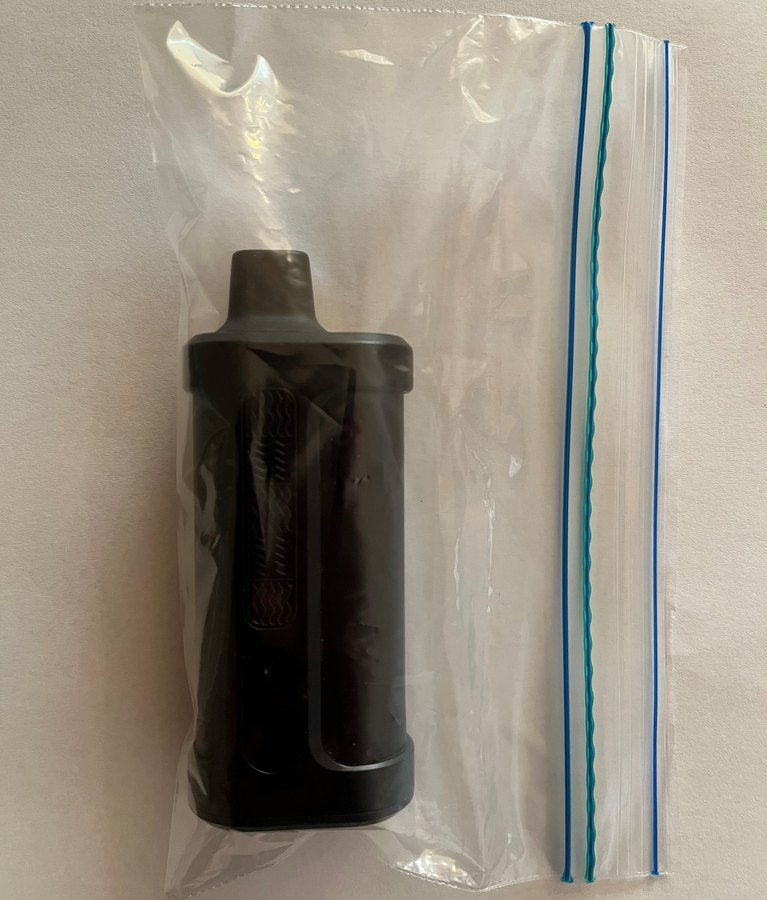
The same agency’s guidance for schools and small businesses reminds that these devices should not be thrown in the trash or in the recycling bin, and that the nicotine liquid itself is an acute hazardous waste.
What the law leaves out
AB 762 affects only devices containing tobacco or nicotine. Cannabis vapes are excluded, as are certain medical devices regulated by the FDA, the federal drug agency.
The law does not resolve what to do with the millions of devices already circulating. The regulation requires taking them to a hazardous-waste point, but the Senate’s analysis notes that responsibility rests with the consumer and that millions of vapes still end up in landfills.
The CDTFA also estimates that tax revenue will fall by about $17.4 million in the 2027-2028 fiscal year covered by the law, a figure considered uncertain by the analysis, and implementing the measure will cost between $408,000 and $732,000 per year.
The California Chamber of Commerce, distributors, gas stations and convenience stores, and Hispanic chambers of commerce opposed the law. Other countries have already taken similar steps: in France, the National Assembly voted in 2023 to ban the sale of disposable e-cigarettes, and Spain is drafting rules for vapers with and without nicotine.
The full text of AB 762, approved by the governor on September 28, 2026, can be consulted on California’s legislative portal.
Photo: UnifiedFunctionality / Wikimedia Commons, CC BY-SA 3.0
