
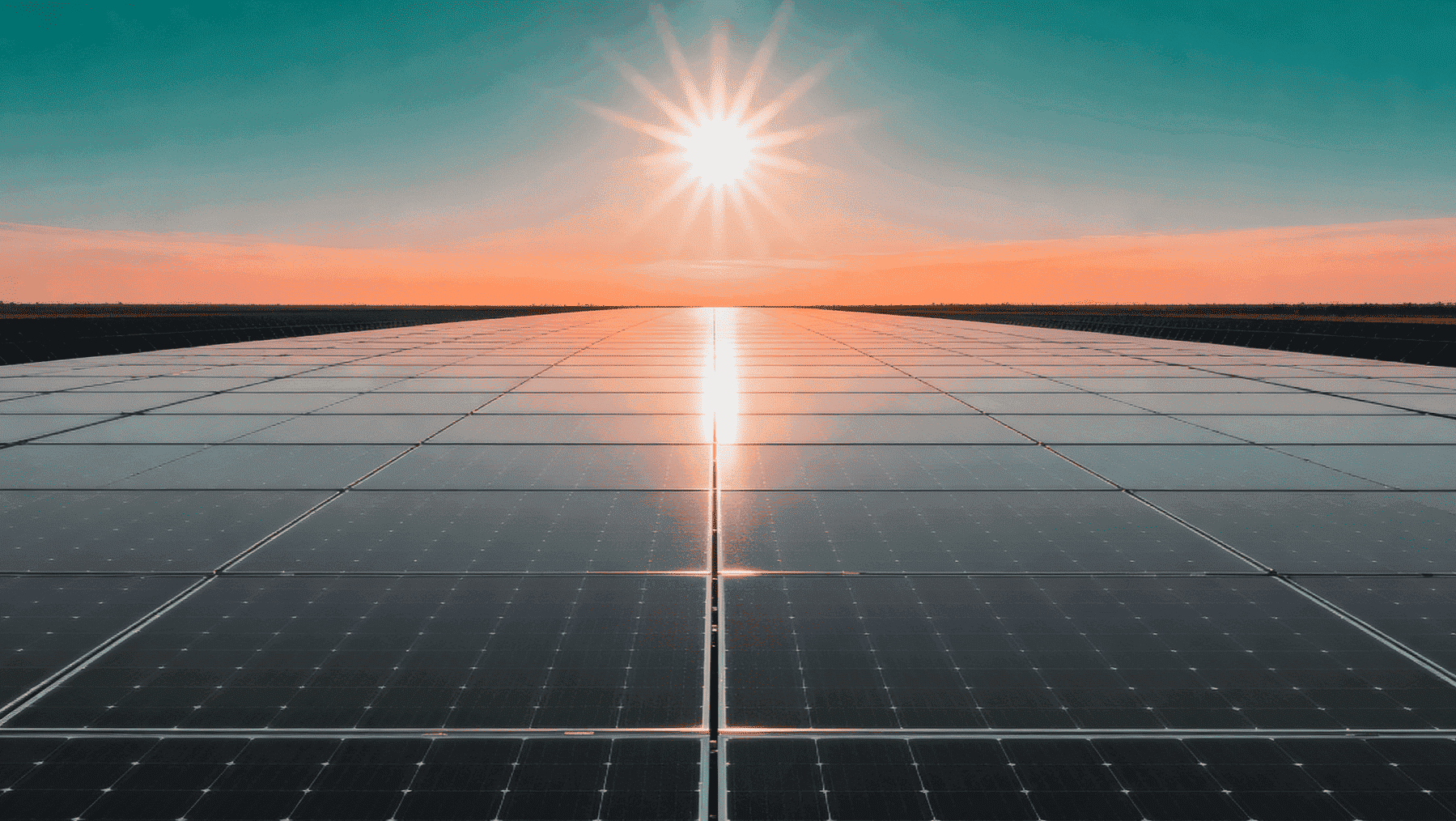
The solar tax planned for 2027 could generate a gross annual quota of 40.4 million euros if all the projects analyzed by UNEF operate. The Junta must justify its environmental design and assess the risk of slowing investments in renewable energy.
Another solar tax, but this time at the regional level
The Junta de Castilla y León wants its environmental impact tax to include photovoltaic parks from 2027. UNEF claims that the so-called solar tax could significantly reduce profitability, in addition to stalling projects and harming industrial investments.
The contradiction raised demands a political response: if the levy makes it harder to replace fossil generation, its environmental justification must demonstrate what benefits it brings and how it will prevent that effect.
The sector cannot claim that every plant has no impact. Protecting biodiversity and the territories is necessary, but using that protection to justify an economically poorly calibrated imposition would lead to a deficient environmental policy. The discussion should focus on the design and its consequences.
The 40 million would not all come in from the first year
UNEF has analyzed 508 projects that are operating or under development, across some 35,400 hectares fenced. It calculates that all of this would imply a gross annual quota of 40.4 million euros per year from the solar tax when the entirety is in operation.
Currently, there are 137 operating parks, which would represent a little over 11 million annually, according to the association. Mixing the two figures would exaggerate the immediate revenue amount and obscure that a large part depends on investments that are still pending.
Marcos Valle is the regional delegate of UNEF in Castilla y León and argues that the solar tax could reduce between a 30% and 45% the economic result of certain parks that sell electricity to the grid. These are sectoral estimates, not losses that can be attributed to each installation.
The Junta must publish its economic assessment and contrast these warnings. Approving the levy without explaining how it affects existing and future projects would leave unanswered the sector’s main objection.
Charging by hectares does not describe nor combat environmental damage by itself
The regulatory draft of the solar tax excludes installations located on rooftops and roofs and those occupying less than five hectares. It also contemplates exemptions for certain types of self-consumption. It is not a general tax on any domestic solar panel.
The photovoltaic base is tied to the fenced or delineated surface. That magnitude allows calculating a fee, but it is unable by itself to describe the ecological sensitivity of the land or the quality of measures that should be taken to correct them.
It should also be rejected that a prior authorization eliminates any impact: assessing an impact does not mean it ceases to exist. Environmental legitimacy rests on evidence, not on absolute statements by the Administration or the promoter.
The Cortes must demand more than just a revenue forecast
UNEF negotiates with parliamentary groups to curb or modify this levy and does not rule out taking it to court. The solar tax remains part of a proposal submitted to the budget debate.
Valladolid would concentrate around 12 million annually, León nearly seven, and Burgos 6.27 million, considering both operational and planned installations. The territorial impact requires studying investments, employment, and local agreements affected.
The groups in the Cortes must demand graduality, justification, and evaluation of the future solar tax, rather than approving a theoretical revenue without checking what economic activity can sustain it.
Protection of the landscape needs more effective environmental conditions, while the energy transition requires substantial stability. The design must address both demands without turning the regional budget into an obstacle that weighs against projects compatible with the territory.
The calculations by UNEF themselves reveal a tension: 29.02 of the 40.4 million expected, which is almost 72%, depend on projects that are not yet operational. If the levy slowed part of them, it would reduce all that potential revenue. The Junta must also evaluate this scenario before budgeting revenues that depend precisely on the investments questioned.