
Translating while preserving structure
I’m thinking about how to approach translating content while maintaining the HTML structure. I should preserve tags like
I want to outline the article effectively. The first section talks about the Canarias Government presenting a draft of the Canary Islands Coastal Law on October 16 in San Bartolomé de Tirajana, which regulates both pools and natural pools while limiting growth in traditional coastal towns. This law will cover 1,126 km of coastline, replacing the 1988 State Coastal Law.
The next paragraph mentions Professor Francisco Villar explaining this to about 200 people, noting that these pools and natural pools are traditional bathing spaces that need tailored regulations.Outlining article sections
It looks like the state law doesn’t even mention the pools and natural pools. There’s an empty ad block as well.
I see that a draft of the Canary Islands Coastal Law was presented at the I Congreso de Costas Canarias on October 15-16, organized by the Dirección General de Costas y Gestión del Espacio Marítimo Canario. Antonio Acosta, the director general, emphasized that this presentation starts a participatory process, aiming to balance economic and social development with the protection of coastal ecosystems.
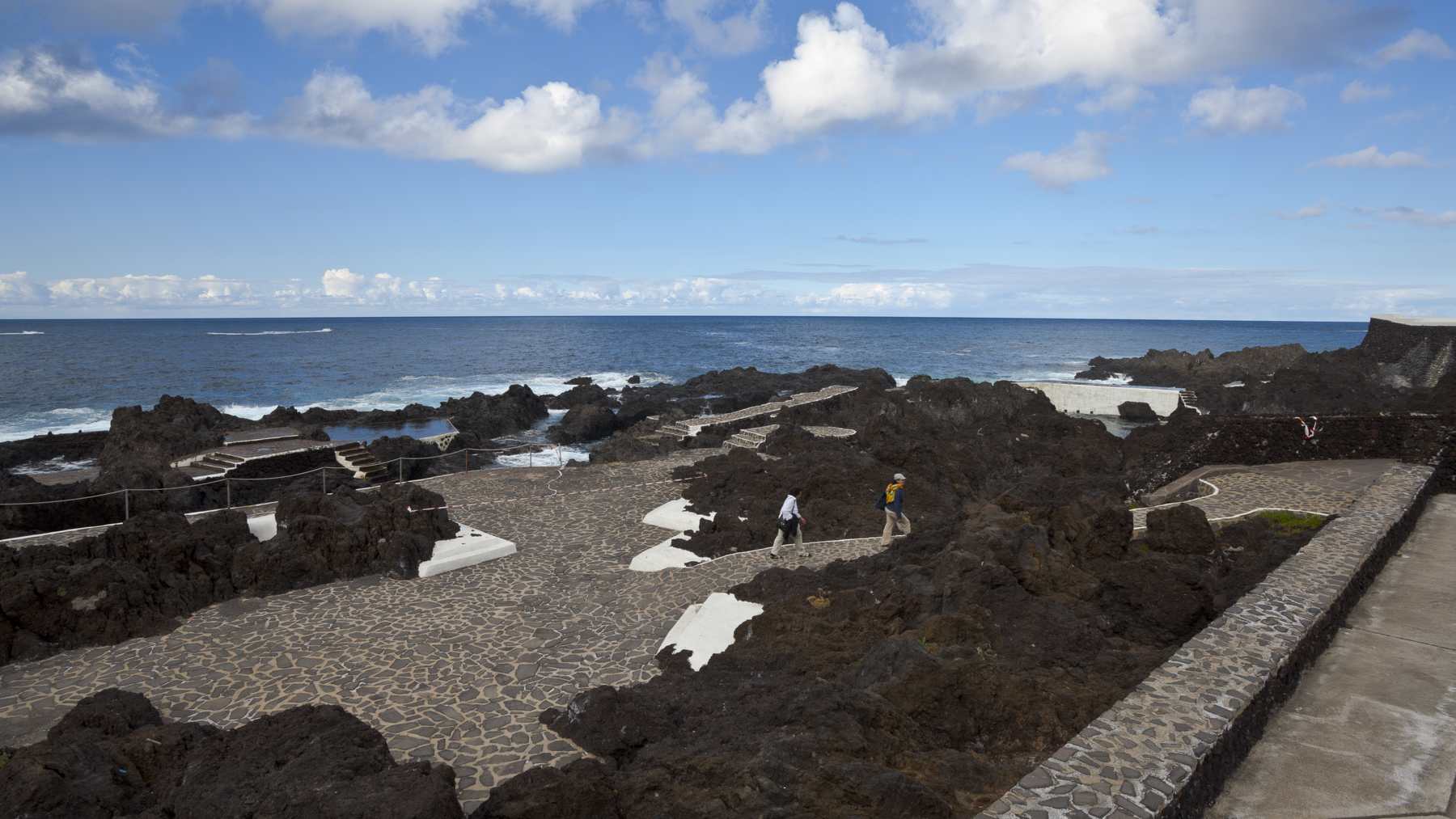
The section titled "Charcos y piscinas naturales, con una regulación adaptada a su realidad" discusses how bathing often occurs in pools among stones or in vessels built next to the sea, particularly where the coastline is steep and volcanic.Discussing natural pools and ecosystems
The article contrasts natural pools with sandy beaches, noting that years ago, natural pools were recommended as an alternative for beachgoers. For example, La Maceta in La Frontera (El Hierro) showcases improvements and expansion of its pools, funded by 495,303 euros from the Next Generation EU as of November 2024. These works require regional and state permissions, and the new law aims to establish a clear framework for competencies and procedures to ensure legal certainty.
Additionally, intertidal pools, where the sea covers and uncovers with the tides, are small ecosystems that serve as refuges and nurseries for various marine species, as explained by Minister Mariano H. in May.Outlining the Coastal Law Draft
The article discusses various aspects of the draft for the Coastal Law. The draft includes classification of coastal areas, access regulations, and beach regeneration, establishing a 100-meter protection zone inland from the shore. The law allows for fines and emphasizes accessibility concerning pedestrian access to the sea every 200 meters.
Another key chapter focuses on traditional coastal settlements, aiming to recognize and protect their social and historical value while preventing their expansion. There were many objections during prior consultations, with residents urging the regulation of specific coastal areas for continuity and sanitation.
The draft also raises issues around pool regulations and water quality, underscoring a need for localized management of coastal regions.Revising content on the Coastal Law Draft
Through the process, I noted I shouldn’t translate the alt text of the image or its figcaption, as it falls under the tag’s content. The directive states not to translate these elements, so I’ll keep the
tag intact with the Spanish alt text while translating the figcaption into English.
For the article, I start with the translated introduction about the Government of the Canary Islands presenting the draft of the Coastal Law on October 16 in San Bartolomé de Tirajana. This draft outlines regulations for tide pools and aims to manage traditional coastal towns to prevent unchecked growth. I’ll maintain a similar length to the original text and preserve the necessary headings and subheadings, translating them appropriately.Translating and Paraphrasing Coastal Regulations
When launching the prior consultation in March, the goal was to balance economic development with the protection of coastal ecosystems. The next heading is about "Tide pools and natural swimming pools, with regulation tailored to their realities." I’ll include specific examples like La Maceta in El Hierro, which underwent improvements funded by EU resources.
Next, I’ll discuss intertidal pools as small ecosystems that shelter marine life. Following that, I’ll paraphrase sections about coastline classifications, protections, and accessibility laws. Lastly, for the “Traditional Coastal Towns” section, I’ll highlight the need for regulation and preservation without promoting expansion. The draft acknowledges multiple community concerns, including sanitation and historical settlement integrity.Revising Coastal Regulations Summary
It’s still unclear if the pools will have schedules or their own surveillance. Architect Juan Palop-Casado emphasized the need for local management, keeping in mind the jurisdiction limits under the Autonomy Statute. Professor Ángel Menéndez-Rexach noted the Coastal Law lacks a clear definition of the coast. The report states the existing law is too broad for specific regions. On October 16, the draft was presented to address tide pools and coastal village regulations to prevent unchecked expansion.

Eirik Lund
Based in Oslo, I write about climate, biodiversity and the connections between people and nature. I’m especially drawn to the ocean and the overlooked life along our coastlines. Through my articles, I aim to make environmental science accessible, explore the evidence behind the headlines and share the curiosity that keeps me looking closer.