
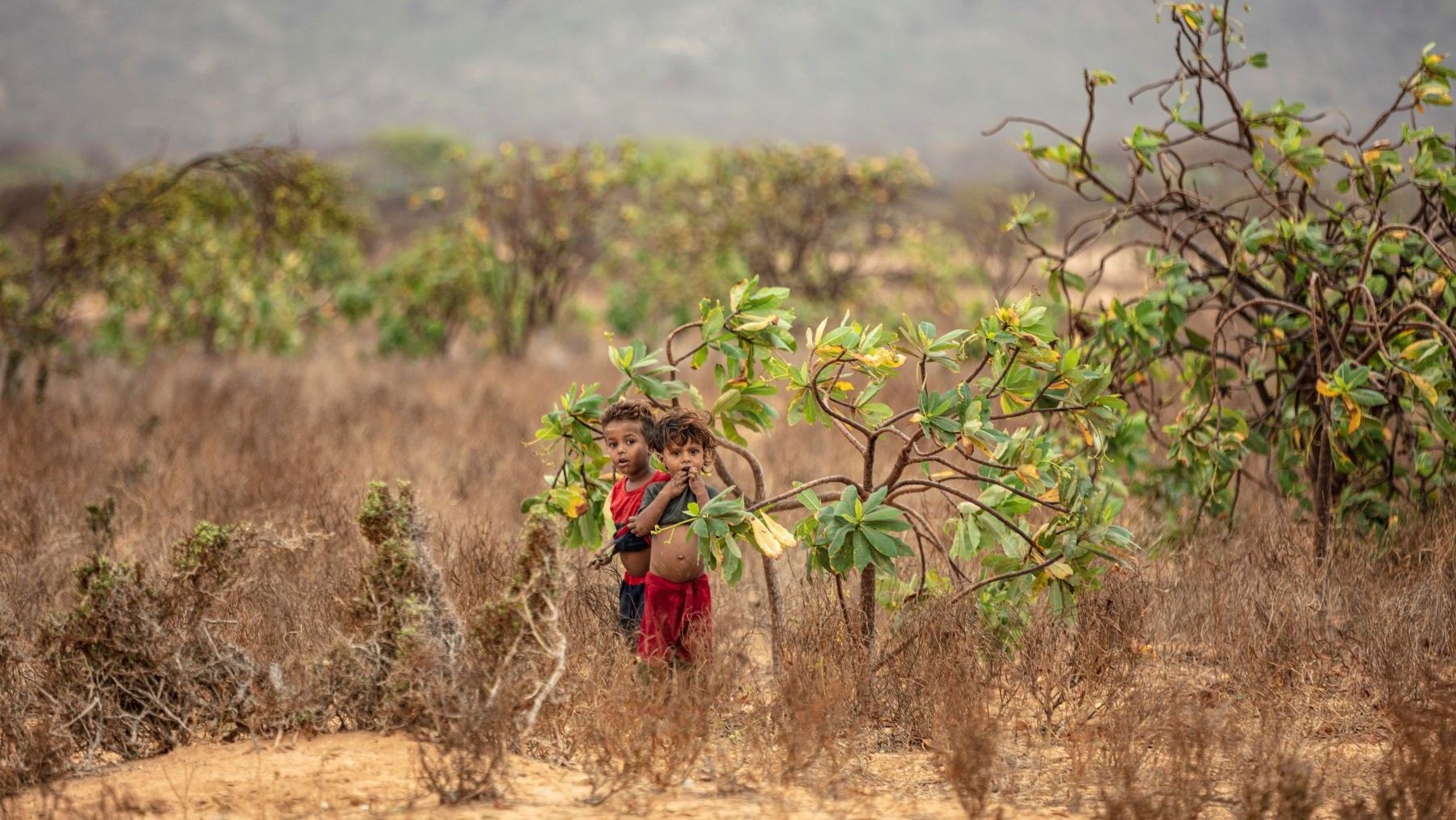
The recently conducted study on El Niño and heat mortality reveals an alarmingly unequal reality: the most intense episodes of this phenomenon concentrate their major health consequences in the countries with fewer resources.
The heat that comes with El Niño is deadly and the current one will be worse
El Niño and heat mortality, a pair that requires urgent health preparedness: a study by ISGlobal estimates that there are more than 107,000 additional deaths each year due to heat during the most intense episodes of this phenomenon, compared to years when it does not occur. The figure describes a statistic, so it cannot be taken as a direct forecast for 2026-2027.
The analysis on El Niño and heat mortality also calculates that there are about 112,681 fewer deaths from cold. But that global offset hides a distribution that is deeply unequal: resource-poor populations bear a larger and disproportionately heavy burden.
Reducing this tragedy of El Niño and heat mortality to a mere sum and subtraction of deaths may seem politically complacent, but it has nothing ethical about it. The research enables identifying where prevention needs to be strengthened and questions the insufficiency of health protection because it leaves the most vulnerable behind.
El Niño and heat mortality: what do the numbers really reveal?
The work on El Niño and heat mortality, which was published in Nature Medicine, combines climate data with several mortality records and epidemiological models in order to study the period 1980-2023. It uses information from 125 nations and extrapolates its estimates to 189 more.
The study estimates that when very intense episodes occur, there is up to a 28.87% more mortality directly related to heat and mortality related to cold can be reduced by up to 3.70%, although these are statistical and estimated figures.
No pueden trasladarse automáticamente los resultados de los estudios al episodio actual, porque en cada caso las condiciones climáticas, demográficas y sanitarias varían. La incertidumbre lo que hace es dar pautas para preparar respuestas que ayuden a minimizar los riesgos.
Inequality makes exposure a more serious threat
The study on El Niño and heat mortality attributes to countries with low or medium human development 67.65% of the estimated increase in heat-related deaths. It is a concentration that reveals a grave and critical fragility.
Countries with medium human development show the largest absolute increase with 61,863 additional annual deaths from heat, roughly 58% of the estimated global increase. That percentage corresponds solely to heat, not to the overall heat-and-cold balance.
The lead author, Natalia Shartova, warns that combined mortality multiplies in countries with fewer resources. A seemingly global offset does not prevent localized suffering. Policies implemented must respond to that inequality, aiming that economic precarity does not translate into health vulnerability.
Alerts that trigger effective measures: prevention requires more than warnings
The link between El Niño and heat mortality offers an opportunity to be prepared, because the arrival of the phenomenon can be known several months in advance. Joan Ballester, coordinator of the study, notes that identifying regions and seasons particularly affected is of great use when planning measures.
The practical example is to link each alert to its respective actions: enhanced care, monitoring of vulnerable people, and access to climate refuges and cool spaces. The WHO recommends that alerts have more clear responsible parties, measures and predefined timelines, integrated into health plans.
Issuing warnings without the capacity to respond is completely ineffective at solving the problem. Governments and health authorities must fund prevention and assess its effectiveness. Waiting for the health system to collapse to improvise measures would worsen an emergency whose risks are already clearly identified.
The research provides another telling comparison: middle- or low-development countries account for 42.16% of the world’s population, but they concentrate the cited 67.65% of the estimated increase in heat-related deaths.
That imbalance reinforces the call to take protective measures. Studying El Niño and heat mortality must serve to guide resources: accepting such an uneven exposure as inevitable would be an unacceptable public surrender.
