
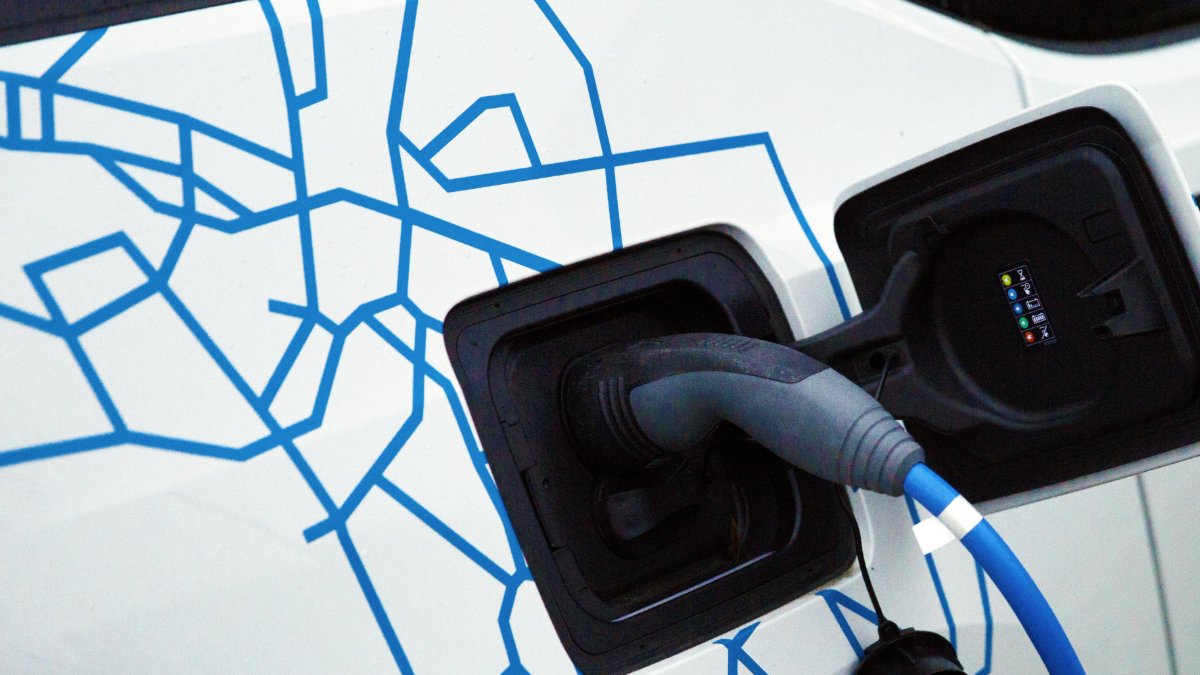
The Latin American and Caribbean Energy Organization (OLACDE) projects that Latin America and the Caribbean will finish 2026 with around 1.5 million light electric and plug-in hybrid vehicles, following October’s figure that surpassed 1.26 million units, according to the organization’s latest briefing on the region’s electric mobility.
Electric mobility aims to double the stock of pure electric and plug-in hybrid vehicles within a year
These figures were discussed during OLACDE’s inaugural Regional Summit on Sustainable Mobility, held in Quito to commemorate the World Sustainable Transport Day, where delegates from member countries also addressed the progress of electromobility in the region.
Brazil concentrates three of every four public charging stations in the region
According to OLACDE, in Latin America and the Caribbean the pace of fleet renewal and vehicle efficiency is accelerating, and around 40,000 public charging stations are already in operation, three-quarters of them located in Brazil.
The 1.26 million vehicles registered by October represent a rise of 73.5% compared with the roughly 750,000 units counted at the end of 2025, meaning this year’s projection would double the previous year’s fleet. According to the estimates presented at the summit, vehicle electrification yields energy savings of about $5 million per day.
Additionally, based on the electricity and fuel prices in October, the use of 100% electric buses and light electric cars represents annual savings of $1.854 billion ( $1.674 billion when considering the current combined fleet), according to the organization’s figures.
To sustain this electric mobility, the authorities at the summit concluded that it is crucial to implement financial and tax incentives and evaluated tax exemptions as applied in Colombia and Costa Rica, green credit lines, and fleet leasing schemes for public transport.
OLACDE estimates a daily saving of $5 million in energy costs by electrifying transport
Replicable operating models were also analyzed, including urban electric buses, low-emission logistics fleets, and solar-powered boats that connect Amazonian communities.
Furthermore, the discussion addressed the role of lithium, copper, nickel, and graphite for batteries, motors, and charging infrastructure, underscoring the regional opportunity to advance mineral processing, component manufacturing, supply-chain traceability, and battery recycling, among other topics.
The OLACDE executive secretary, Andrés Rebolledo, highlighted at the summit that nearly 70% of Latin America and the Caribbean’s electricity generation comes from renewable sources, a comparative advantage that boosts emission reductions and complements the region’s mineral reserves for batteries.
The summit also brought together sector companies, multilateral organizations, and universities in Quito, and the organization announced that the next editions of the summit will be held in Chile in 2027 and in Costa Rica in 2028.
How to extend electric mobility to public transport and to areas with less charging?
Latin America sold more than 350,000 pure electric and plug-in hybrid passenger cars in 2025, a 75% increase over 2024. Brazil and Mexico contributed more than three-quarters of that growth.
By mid-2026, the region already had 10,685 electric buses and Chile held 5,059. Electrifying more urban routes extends the benefits to those who depend on public transportation to move around.
Chile was around 13 public charging stations per 100 electrified vehicles, while a large part of the region remained below two. Expanding the network would ease the use of these vehicles outside major cities.
