
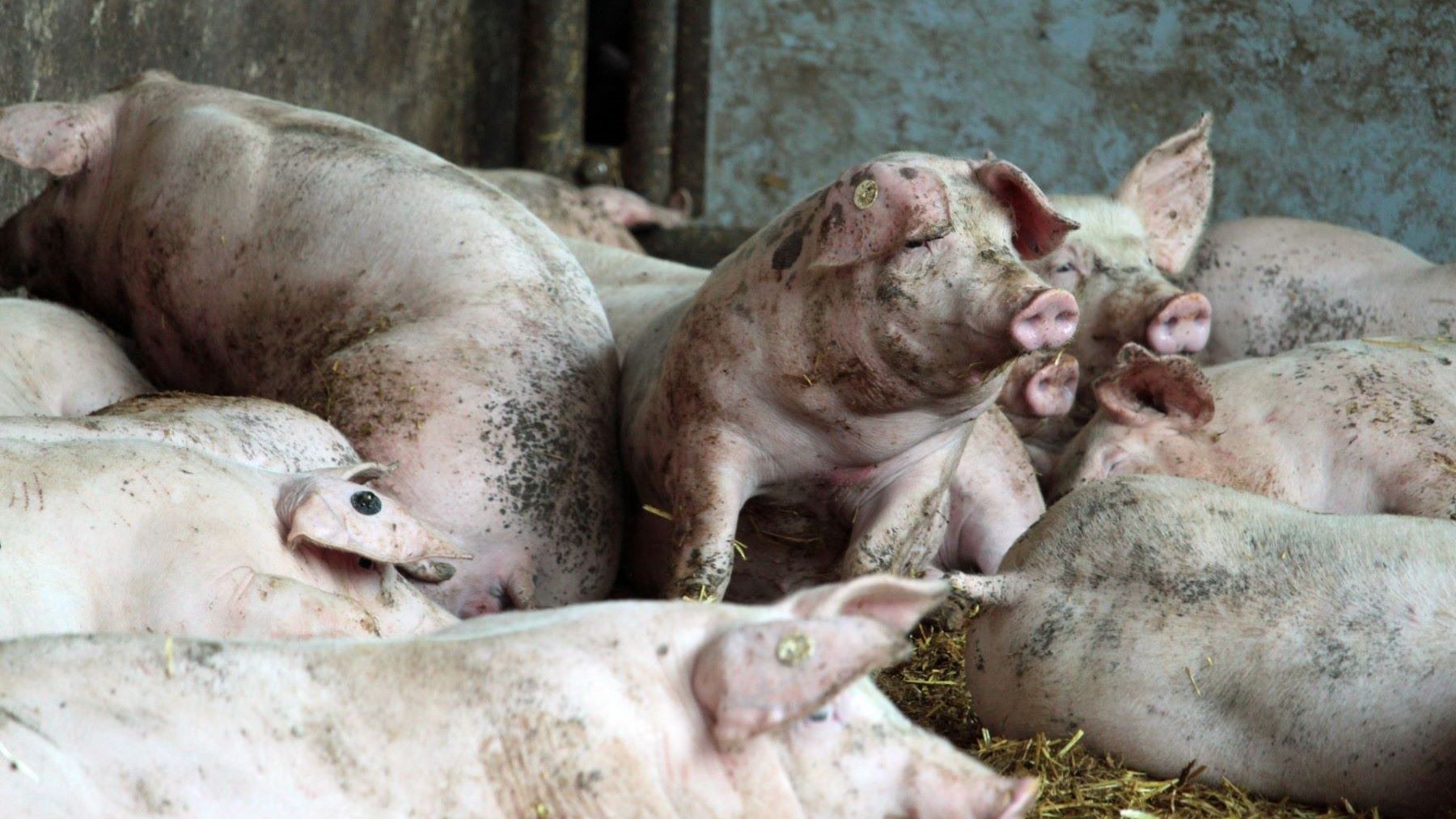
The EU obliges macro-farms to reduce their pollution: The European Commission (EC) has adopted new rules this Thursday that will require macro-farms dedicated to poultry and pig farming to reduce their emissions of ammonia, nitrogen and phosphorus by 2030 or 2032, depending on the size of the operation, to give producers time to adapt.
According to the Directorate-General for the Environment of the European Commission, the new regulation targets the larger pig and poultry operations, which account for approximately 30% of the total in the EU. Small and medium-sized farms would be excluded from these new obligations, as would organic pig farming.
This article will clarify which farms will be affected, when they must adapt, and what margin they will have to choose the solutions that best fit their situation.
The EU requires macro-farms to reduce their pollution
The rules will apply only to the largest operations, which account for 30% of the total. Organic pig farming will also be excluded. The objective is to reduce the presence of pollutants linked to respiratory diseases, to the degradation of nature and to water pollution.
The new rules, developed in cooperation with Member States, farmers, experts and environmental NGOs, will end the current fragmentation on emissions from poultry and pig farms and will establish a common framework of minimum standards that will also help reduce bureaucracy and ensure a high level of environmental protection, Brussels said in a press release.
Priority has been given, according to the Community Executive, to “cost-effective approaches” that do not have a huge impact on producers and that keep the cost of implementing the measures “at a reasonable level.”
The implementation of this new regulatory framework, which sits within the revised Directive on Industrial Emissions and Livestock Farming, will take place from 2030 to 2032, depending on the size of the farm, in order to give farmers time to adapt.
Among other novelties, a simplified registration system will be introduced, eliminating the need for complex individual permits for these farms.
No costly mandatory technologies will be imposed; instead, the farmer will be able to choose how to meet the environmental objectives and emissions can be offset between different buildings within a single farm. Additionally, the stricter requirements will apply only to new farms authorized in the future.
