
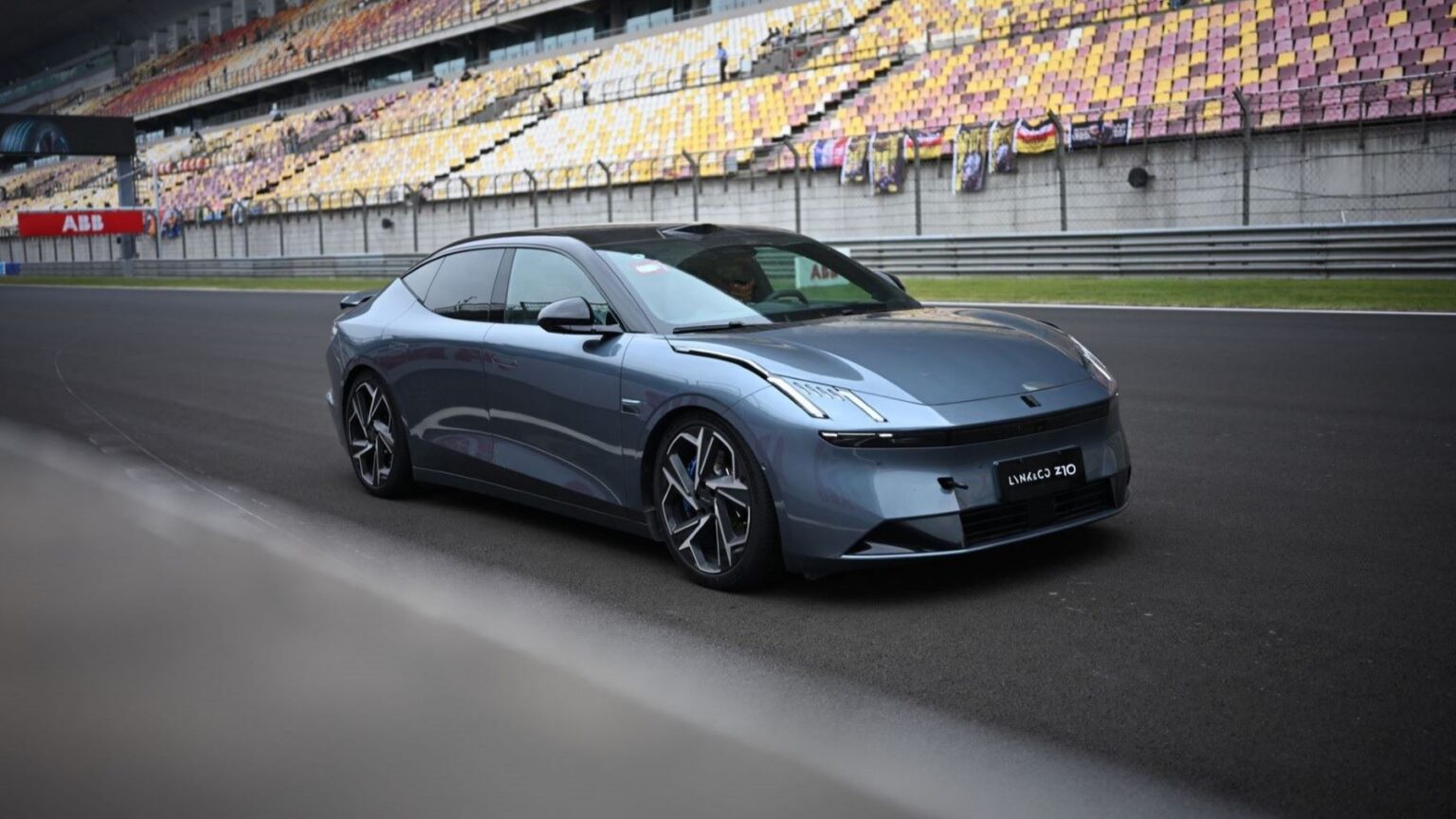
The plan to limit Chinese hybrids would also affect plug-in hybrids and could begin on December 1, 2026. According to Bloomberg, the initial quota would rise by 6% annually from the second year.
The arrival of Chinese hybrid cars in Europe could change in December. The EU is preparing an initial quota of 350,000 vehicles for the first year, according to a document cited by Bloomberg, with a possible entry into force on December 1, 2026.
The plan would cover conventional hybrids and plug-in hybrids with a duration of four years. From the second year, the expected volume would increase by a 6% annually, within the commercial understanding negotiated by Brussels and Beijing.
The parameters still have to undergo European political scrutiny. The date and the implementation mechanism remain essential to determine the definitive scope of the measure taken by the EU.
For those who follow the Chinese hybrid market, the question is which vehicles would be affected and under what conditions. The news explains the planned timeline, how the plan would operate, and the points that still require clarification.
Chinese Hybrids
The European Union (EU) will limit the import of Chinese hybrid cars to 350,000 units per year, and this measure could take effect on December 1, Bloomberg reported, within the framework of the deals reached during the recent visit to Beijing by the European Commissioner for Trade, Maros Sefcovic.
According to a document detailing the plan, which this outlet obtained, that 350,000-vehicle cap will apply during the first year of the safeguard measure’s validity, and from the second year it will rise at a 6% annual pace.
These caps will be in place for four years, a period in which both countries will commit to comply with the rules of the World Trade Organization (WTO).
The project contemplates a «limit» to all imports of hybrid vehicles, not just those from China, to comply with the WTO’s non-discrimination principle, and the Asian giant’s quota «will not be lower» than that of any other country exporting hybrids.
The agreement, which would apply to both electric hybrids and plug-in hybrids, will cover all imports from the EU, including those from countries with which the bloc has a free trade agreement.
At the same time, China will remove tariffs on some car parts and will cut tariffs on shoes, ice cream, and olive oil in half, measures that will be applied temporarily and that cover European exports worth about 4 billion euros (about 4.484 billion dollars).
The understanding on hybrids was reached after last week’s visit to Beijing by the European Commission’s Trade Commissioner, whose trip to the Asian giant aimed to «rebalancing» trade between the EU and China.
In a press conference held on Friday after meeting with China’s Minister of Commerce Wang Wentao and with Vice Premier He Lifeng, EU Commissioner Sefcovic explained that the agreement on this type of vehicles would prevent the entry into the EU of «millions» of Chinese cars over a four-year period.
Sefcovic did not provide details at that moment about the concrete mechanism that would allow achieving that reduction, explaining that he first had to present the parameters to the President of the European Commission, Ursula von der Leyen, to the member states and to European leaders, who will review them at the European Council of October 15 and 16.
«We know what the outcome is and we know how to get there,» said the Slovak, who argued that the understanding had been negotiated «in great detail» and that Brussels could begin to work «as soon as possible» once it receives political backing.
The EU insists that its trade relationship with Beijing is unsustainable due to an annual trade deficit of nearly 360 billion euros and pressure from several Chinese industrial sectors, accusations rejected by Beijing, which accuses Brussels of politicizing trade differences.
