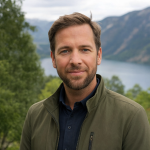
Keith Ludwig grew up on a small farm in Indiana, dedicated his career to oceanographic engineering, and spent years saving to buy a ranch in Florida, in Hardee County. That property, spanning roughly 267 hectares along Brushy Creek, has been safeguarded in perpetuity against development thanks to a conservation easement valued at 3.85 million dollars, which, according to the official note, covers about 259 hectares.
The agreement was announced on August 12, 2026 by Florida’s Commissioner of Agriculture, Wilton Simpson, as part of a bundle of four operations in the state totaling more than 1,050 hectares. Ludwig will continue ranching cattle and calves on his pastures, and the person who has told his story is the Florida Conservation Group, the organization that had proposed him for the state Florida Forever program, according to a May 2025 filing.
A rancher who bought the land to preserve it
Ludwig is a first-generation rancher. According to the Florida Conservation Group, he saved for years to purchase the land and place it under a conservation easement, and for him there is great meaning in continuing his cattle operation while forever protecting the landscape and wildlife.
“Conserving Florida’s land and water means protecting working agricultural lands and the natural resources upon which communities, wildlife, and future generations of Floridians will depend,” Ludwig said. “I want to do my part to preserve this landscape and its water resources for generations to come.”
He grew up on a small farm in Indiana and learned to manage his cattle with local ranchers who taught him the practicalities of running an efficient and sustainable operation on the land.
How a conservation easement works
A conservation easement is a legal agreement in which the landowner commits to limiting what can be built on their land, often in exchange for money. The Florida Department of Environmental Protection explains that most of these agreements run with the land, binding the current owner and all future owners.
The owner retains ownership and can continue with cattle grazing, timber, or hunting. In this case, the owner funds the Rural and Family Lands Protection Program (RFLPP) of the Florida Department of Agriculture and Consumer Services. “It is the most cost-effective conservation tool Florida has to permanently protect our food supply, our natural resources, and wildlife habitat from development,” Simpson stated in the official release. According to the department, the program has already preserved more than 98,700 hectares.
Pastures to the east and forest along the creek to the west
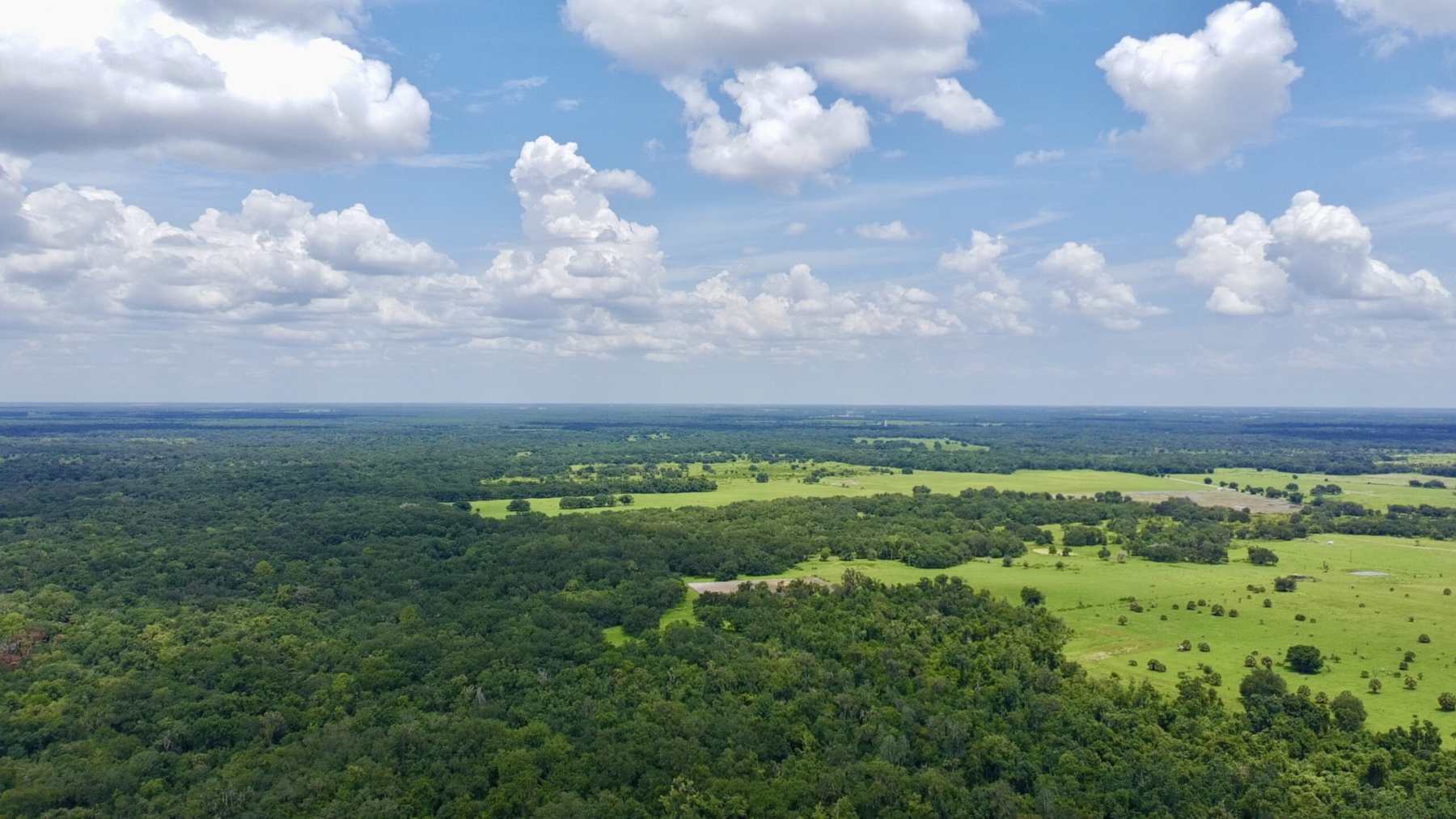
The state’s note describes a cattle and calf operation of about 639 acres, roughly 259 hectares. Brushy Creek cuts through the western half, lined with wet deciduous forests and hammocks—dense islands of trees typical of Florida in healthy, natural condition. The eastern half consists of pastures and crops.
Florida Conservation Group and the 2025 state document mention 660 acres (267 hectares). No source explains the discrepancy with the 2026 note.
In May 2025, the state studied adding the property, owned by Ludwig Land LLC, to the Myakka Ranchlands project of Florida Forever. That document places it about 16 kilometers southwest of Zolfo Springs, with a little more than half the land covered by natural vegetation.
A gap closed in Florida’s Wildlife Corridor
Florida Conservation Group maintains that preserving the ranch helps close a gap in Florida’s Wildlife Corridor, which is home to species such as the Florida panther, the indigo snake, and the Florida burrowing owl. The four ranches in the announcement lie within that corridor, which was established by state law in 2021.
The Florida panther has been on the federal endangered species list since 1967, according to the U.S. Fish and Wildlife Service. In the same county, a camera trap captured a bobcat attacking a diamondback rattlesnake.
In an August 20, 2026 briefing about two ranches in the same county, the organization explains that those ranches fill gaps in a landscape that the panther needs to move through southern Florida. “Protecting the Peace River valley and, ultimately, the health of Charlotte Harbor means protecting the water downstream and helping safeguard clean water and healthy ecosystems that Floridians rely on every day,” said then Julie Morris, executive director of Florida Conservation Group.
The ranch’s water ends up in Charlotte Harbor
The creeks crossing the property carry water toward the Peace River, the Charlotte Harbor estuary, and ultimately the gulf. According to the organization, the Peace River valley region supplies drinking water to nearly a million southwest Florida residents.
“I know my land is helping to protect our wildlife and our downstream water, and I think that’s incredibly important,” Ludwig added.
The May 2025 technical assessment, signed by Geoffrey Parks of Florida’s Natural Areas Inventory (FNAI), notes that the entire ranch lies within priority areas for protecting surface waters and recharging the aquifer. Just over a third, according to the same report, serves floodplain and wetland functions.
The United States Environmental Protection Agency describes wetlands as sponges that trap water and release it slowly, which helps reduce peak flood levels.
What the agreement does not guarantee
The same FNAI report cautions that its natural heritage database “does not document rare or threatened species on the land.” The application listed many species that could use these habitats, “but it does not indicate that any of them have been observed” on the property, Parks writes.
The easement protects the habitat, and the presence of panthers on this particular ranch remains unproven. None of the sources quantify how much the water quality would improve or how much flood events would be reduced thanks to this agreement.
The ranch also does not open to the public. The Florida Department of Environmental Protection reminds that, even if an easement allows some access, the land remains private and no one may enter without the owner’s permission.
These programs also depend on the Florida Legislature funding them each year. “We’re racing against time. With more than 1,000 people moving to Florida every day, we have to protect these lands now,” Morris said in February 2026.
Ludwig hopes his neighbors will follow suit
Ludwig hopes his decision will inspire other landowners. “I hope to help kickstart more conservation in this area by encouraging others to participate in the Florida Department of Agriculture’s Rural and Family Lands Protection Program,” he said. “It’s a good deal for Florida taxpayers, because we keep running our ranch operations while helping protect wildlife habitat and the watershed.”
The organization notes that in the past year it has supported easements covering around 4,450 hectares in the Peace River basin. Outside Florida, other ranchers have invested in wildlife on their lands, such as Texas ranchers who restored quail on their property.
The ranch’s story and Ludwig’s remarks were published on August 27, 2026 by Florida Conservation Group, and the official easement announcement was issued on August 12, 2026 by Florida’s Department of Agriculture and Consumer Services.
Image: Florida Conservation Group