
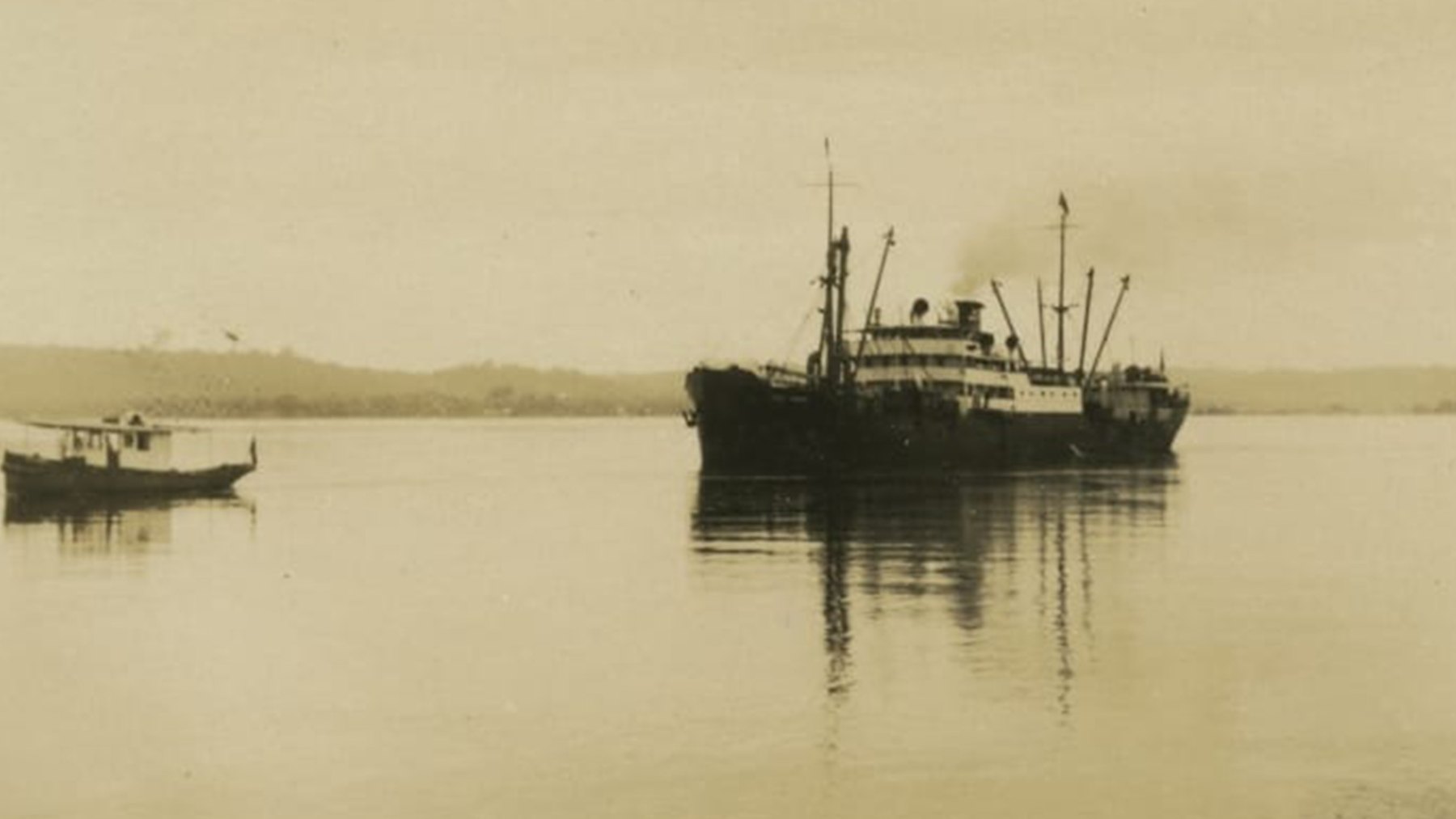
Henry Ford sought to secure the rubber for his cars by building a city in the heart of the Amazon. The project began in 1927 along the Tapajós River in Brazil, but tree diseases, difficult terrain, and management problems ultimately thwarted it.
Fordlandia boasted housing, a hospital and electricity, but it did not manage to become the supplier the manufacturer hoped for. The company eventually exited the region in 1945, after trying its luck also in Belterra. Behind that failure lies a lesson about the risks of turning a jungle into a plantation.
The Fordlandia Figures
| Item | Value |
|---|---|
| Concession (1927) | Around 1 million hectares (almost the Region of Murcia) |
| Start of works | 1928 |
| Hiring of specialist James Weir | 1933 |
| First commercial extraction in Belterra | 1942 |
| Latex produced | 750 tonnes |
| Total investment | $20 million |
| Sale to Brazil (1945) | About $250,000 (1.25% of what was invested) |
A Million Hectares Alongside the Tapajós
In the early 20th century, the growth of the automobile surge in demand for rubber to manufacture tires. Asian plantations had gained ground over Amazonian extraction, and British trade policies worried American manufacturers.
Ford looked to Brazil as a way to control its own supply. In 1927 it obtained a concession of around a million hectares along the Tapajós. On paper, cultivating the raw material would reduce its dependence on other suppliers. One million hectares equals 10,000 square kilometers, nearly the size of the Region of Murcia.
Hospital, School and Electric Light in the Heart of the Jungle
In 1928 work began to establish Fordlandia, with clearing of the jungle to make space for the facilities. Machinery arrived and housing, sanitation services and infrastructure were built to sustain both agricultural activity and everyday life.
The city offered a hospital, a school, running water and electric light, according to the reconstruction published in Cadernos de História da Ciência. But having buildings and machinery did not resolve agricultural difficulties. The rugged terrain and sandy soils made mechanized cultivation challenging.
A Fungus That Ravaged the Leaves
The rubber tree, Hevea brasiliensis, is native to the Amazon. That did not mean it could be cultivated there in any manner. When many susceptible specimens were concentrated on a single plantation, diseases found conditions very different from those of the forest.
One of the most destructive is South American leaf blight, caused by the fungus Pseudocercospora ulei. It attacks the foliage and can cause repeated leaf drop and, in severe cases, the death of the tree. Without healthy trees, latex supply becomes much more difficult.
Where was the error? The proximity between plants favored the spread of an enemy already present in the region. A study published in PLOS ONE in 2014 highlights Fordlandia’s failure as a historical example of the impact of this disease.
Brown Rice, Peaches, and a Revolt
Difficulties also reached the dining hall and the housing. Ford sought to transplant some of the practices of his American communities to Brazil, with a diet and a discipline that clashed with local life.
The historian Greg Grandin explained to NPR in 2009 that foods such as brown rice, oats and canned peaches were imposed. A shift from table service to self-service triggered a revolt that ended with damage to the dining hall. Decisions about how to live and eat had aggravated the conflict.
Grandin summarized the environmental clash with a phrase that helps to understand the entire project. “Ford basically tried to impose mass industrial production on the jungle’s diversity,” he said. There, repeating a factory formula had its limits.
750 Tons of Latex in Belterra
The company pursued a second settlement, Belterra, after hiring the plant-pathology specialist James Weir in 1933. There, a nursery and a laboratory were established to search for productive and resistant trees.
The The Henry Ford archive places the start of commercial extraction in 1942 and notes a production of 750 tonnes of latex. Belterra did produce, but continued to suffer from the fungus. The company did not achieve the reliable supply it sought.
The accumulated investment reached $20 million of the era. In 1945, Ford sold its Amazonian interests to the Brazilian government for about $250,000. The reopening of Asian supplies after the war and the development of synthetic rubber contributed to the abandonment. Ford thus recovered barely 1.25% of what it had spent.
20 Million Invested and Sold for 250,000
The phytosanitary problem did not end with Ford’s departure. Preventing the fungus from entering other producing regions requires controlling the plant material and objects that could carry contaminated residues.
A risk analysis published by FAO in 2007 even recommended cleaning with steam on forestry machinery used in rubber plantations. The measures targeted loads coming from affected zones. The aim was to prevent contaminated plant debris from carrying the disease to other plantations.
Fordlandia helps explain why understanding the soil, diseases and local practices is decisive before expanding a crop. The historical reconstruction of the project is published in The Henry Ford, in a file dated December 16, 2025.
Image: The Henry Ford