
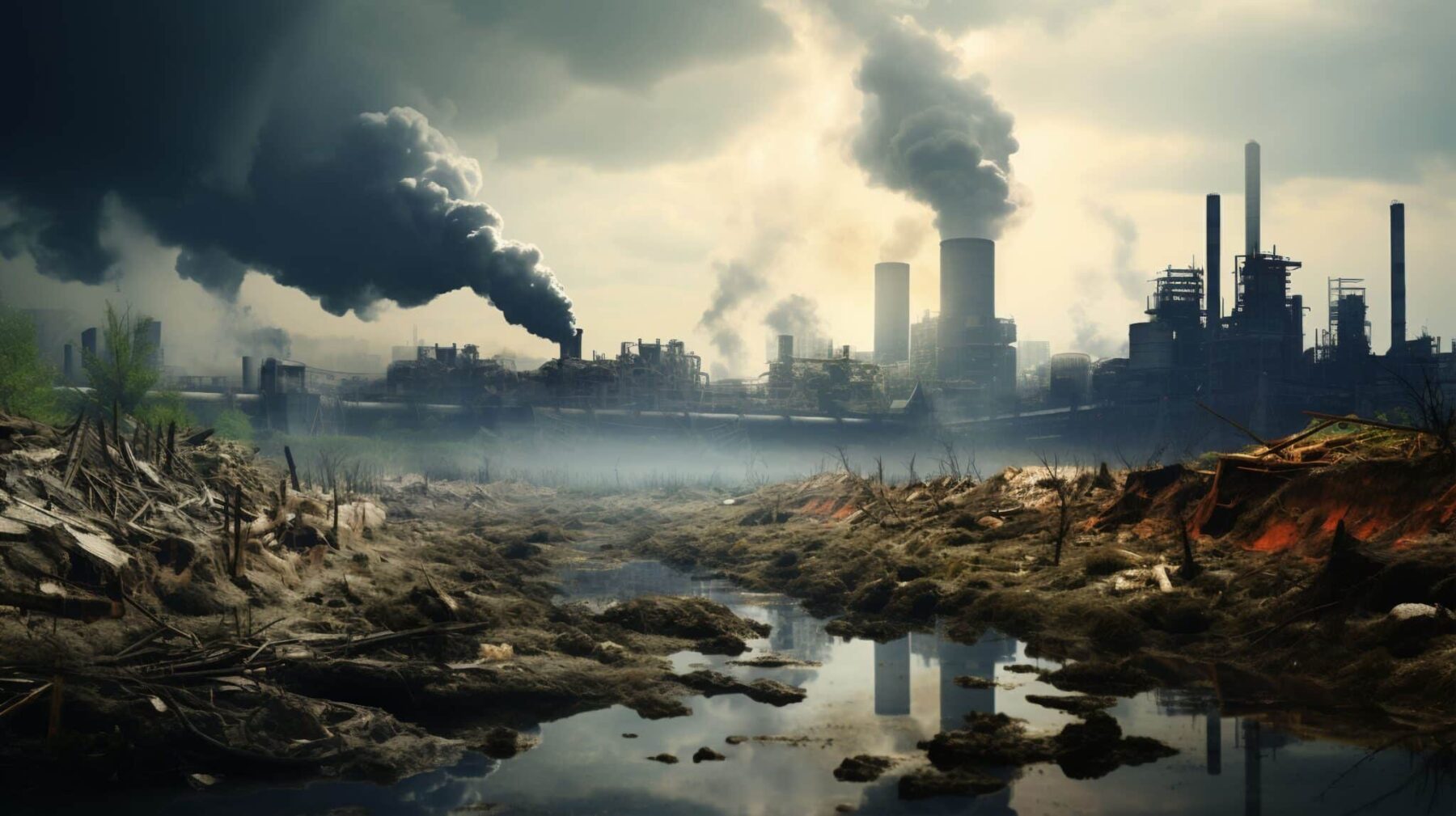
Greenpeace denounces that governments are wasting another week without accelerating the abandonment of fossil fuels, while thousands of people take to the streets in Antalya to demand decisions and funding.
The causes of climate change are so intrinsic to the socioeconomic system we live in and so broad that there is not a single solution to the problem. It is a complex issue that will take a long time to resolve. For that reason, this climate summit will not solve everything and, precisely for that reason, new climate summits will still be needed in the coming years.
COP31 y combustibles fósiles
End of fossil fuels: the first week ends with a strong denouncement by Greenpeace of the lack of agreements among nations. While society is clamoring for concrete measures, the organization points to the gap between climate rhetoric and the decisions that delegations are willing to accept.
The contradiction becomes intolerable: acknowledging the severity of the emergency and delaying actions to address it leaves communities exposed to its consequences.
The abandonment of fossil fuels, international financing, and the protection of ecosystems face the end of COP31. Spain and the EU arrive at the end of the week with an explicit demand: turn their statements into commitments capable of changing course.
The abandonment of fossil fuels cannot remain stuck in procedural maneuvering
Jasper Inventor, head of Greenpeace’s delegation, denounces a first week packed with rhetoric and short on ambition. The organization describes governments that repeat positions and argue which issues should enter the negotiations while urgent decisions remain pending.
The Presidency has published a document that gathers proposals on energy transition, financing, forests, and oceans. It also includes positions that resist naming specific sectors or energy sources. That disagreement matters: avoiding naming the problem makes it harder to demand concrete measures to solve it.
The demand must translate into verifiable commitments: steps to reduce reliance on coal, oil, and gas, the people responsible for implementing them, and identified funding. Without action, announcing another transition repeats the same deadlock with a different communiqué.
Spain and the EU must respond with money and decisions, not with a photograph
Sara Pizzinato, Greenpeace Spain delegate, urges that Spain and the European Union listen to the public and help unlock the abandonment of fossil fuels. She also calls for more international climate financing.
Money is a tangible proof of political will. Demanding adaptation for vulnerable countries without providing sufficient resources imposes an obligation they cannot meet under the same conditions. Promises must specify how much is contributed, when it will arrive, and how those in need will access it.
Spain and the EU must be judged by those results. Celebrating a consensus that lowers the necessary measures would turn diplomacy into an excuse to postpone responsibilities. Real success requires reducing risks and emissions; a weak agreement does not deserve a self-congratulatory campaign.
Antalya protests against a policy that recognizes danger and delays the exit
More than one hundred organizations, together with parties and workers’ associations, take part in the Antalya mobilization. The protest precedes the People’s Summit, scheduled for November 15–18, and demands real commitments for a just transition.
Berkan Özyer, director of Greenpeace Turkey, claims that the climate response must be designed with the people affected and not dictated by those who benefit from fossil-fuel dependence. Allowing those interests to shape the exit perpetuates the conflict that the summit must resolve.
The abandonment of fossil fuels requires renewables, ecosystem protection, and resources for communities. Governments must respond to these demands with budgetary and energy decisions. Listening to a demonstration and then watering down its demands in negotiation would be another way of ignoring it.
In 2023, COP28 already called for moving away from fossil fuels in energy systems and for tripling the global renewable capacity by 2030.
In 2026, continuing to negotiate how to advance implies carrying nearly a three-year debt of implementation. Repackaging that commitment as news would be institutional propaganda: what is required now is to fulfill it.
