
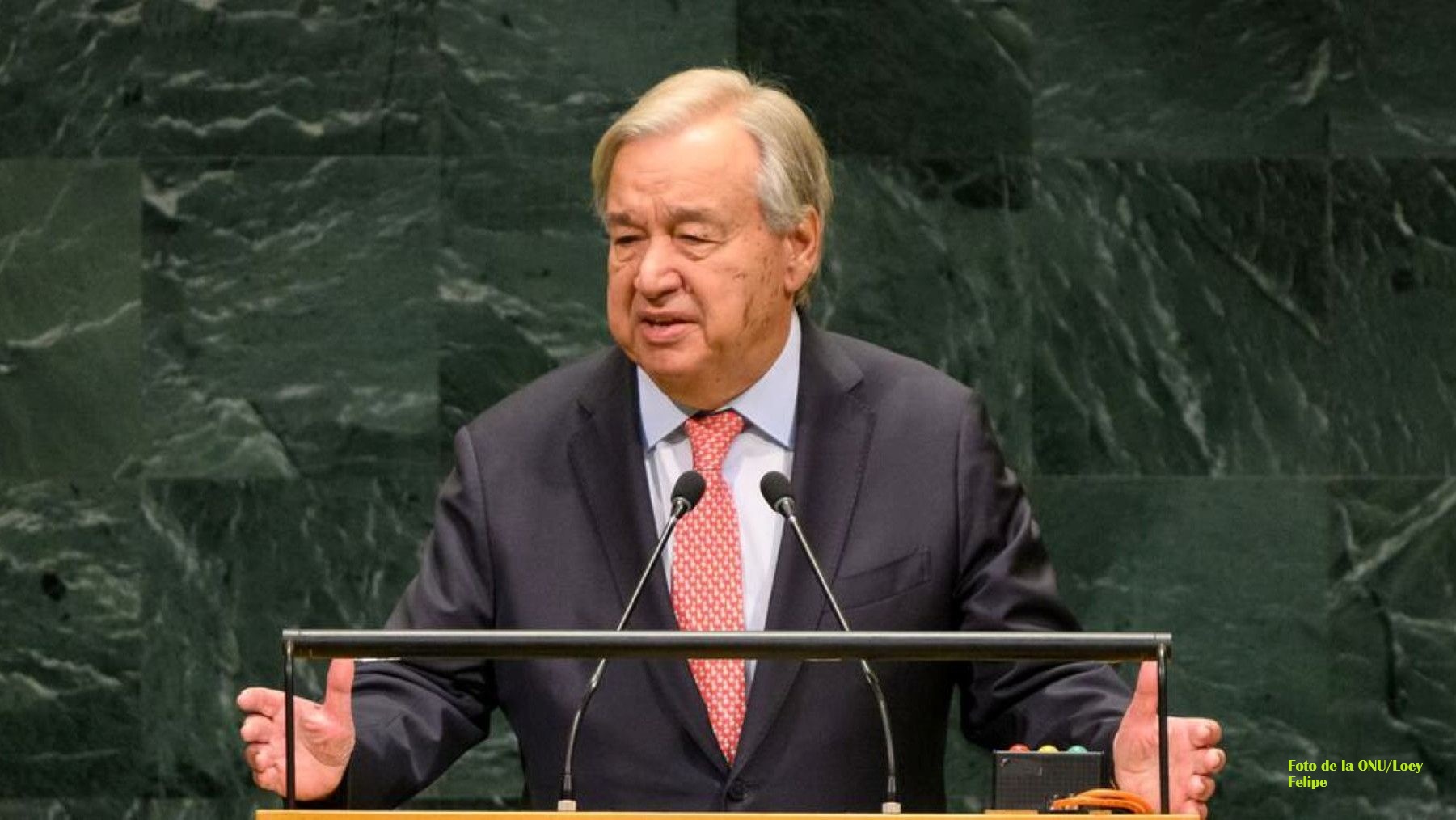
The UN secretary-general urges developed countries to allocate more funding for climate adaptation for the most vulnerable, and denounces the limited influence of emerging economies in decisions affecting their own security.
Funding That Is Far From Sufficient and Effective
Climate adaptation funding remains far from what is needed to protect developing countries. António Guterres presented from Manila a stark figure: even if financial support were tripled, it would cover only about 30% of their needs.
The UN secretary-general also denounces a fundamental political inequality: emerging economies lack the weight they deserve in global forums. They are the ones that require the most resources to face extreme events such as droughts, hurricanes and floods, yet their decision-making capacity remains grossly insufficient.
The responsibility highlighted regarding funding for climate adaptation is very concrete: developed countries must urgently increase their support. Presenting a multiplication of funds as a complete solution, when it leaves such a deficit, would be pure greenwashing.
Climate Adaptation Financing Needs Results, and Grand Announcements Are Not Enough
Guterres calls for more resources to resilience and adaptation in a Southeast Asia exposed to extreme phenomena and the effects of El Niño. Protection requires concrete actions: early-warning systems, resilient infrastructure, and services able to function during an emergency.
The problem is not solved by announcing how much money is to be contributed years from now. Donor governments must make efforts now and be accountable for disbursements, timelines, and real access, while recipients will have to demonstrate how they turn those resources into effective protection.
The United Nations Environment Programme confirms the scale of the funding gap for climate adaptation: tripling international public flows by 2035 would cover only between 20% and 29% of needs, once inflation is taken into account. The increase is necessary; its insufficiency must also be acknowledged.
Disaster-prone Countries, but Lacking Sufficient Power to Decide
Climate adaptation financing also raises the question of who sets the priorities. Guterres maintains that emerging economies continue to lack the appropriate weight in international decision-making arenas.
There are entire communities exposed to the ravages of typhoons, torrential floods, and endless droughts, threatening crops, drinking-water supplies, and even the preservation of their homes. And their representation in decision-making centers is completely insufficient.
Having the countries most affected by extreme events involved in designing responses is vital for those responses to be effective. Delivering resources without planning how they will be used can delay responses and render aid ineffective.
Leaving Fossil Fuels Behind Is Part of Protection
Guterres has argued that the fossil-fuel era must end as soon as possible, highlighting renewables as cheaper and safer alternatives. Reducing that dependence helps limit emissions and reduces exposure to swings in energy markets.
His warning about national climate plans is blunt: even if implemented, they would lead to warming above 2.5°C by the end of the century. That projection shows that the commitments reached so far are insufficient.
Increasing funding for climate adaptation while delaying emission reductions fuels the danger we seek to contain. Governments must act on both fronts: protect populations and accelerate a just energy transition. Financing defenses without slowing warming prolongs an increasingly difficult race.
The gap already appears in concrete instruments: the first round of the Loss and Damage Fund received requests totaling 2.8 billion dollars, against an initial allocation of 342 million. This mechanism is separate from adaptation financing, but it reveals another shortcoming: post-damage requests far exceed available resources.
