
A study presented by the Government of the Canary Islands identifies vulnerabilities in the archipelago’s crops and also analyzes the effects of climate change on livestock farming, beekeeping, and the people who work in the countryside.
The Canary Islands’ crops face risks due to rising temperatures, reduced water availability, and adverse weather events. A study presented by the regional government identifies threats to the avocados, mangoes, bananas, grapevines, and temperate fruit trees, in addition to the impacts on livestock farming and beekeeping.
The research, led by the Department of Ecological Transition and Energy, examines the vulnerability of the agricultural sector to current and future climate scenarios. It also addresses the agricultural risk bioindicators and the occupational thermal stress, incorporating both the needs of farming and livestock operations as well as the conditions of those who work in them.
Results were announced at the ICIA in Valle de Guerra, La Laguna, during the first day of “The Future of Canary Islands’ Agriculture in the Face of Climate Change”. The aim is to translate scientific knowledge to farmers, livestock breeders, and technicians to anticipate problems and ground management decisions, along with adaptation, resilience, and mitigation measures.
The Canary Islands’ Crops and Climate Change
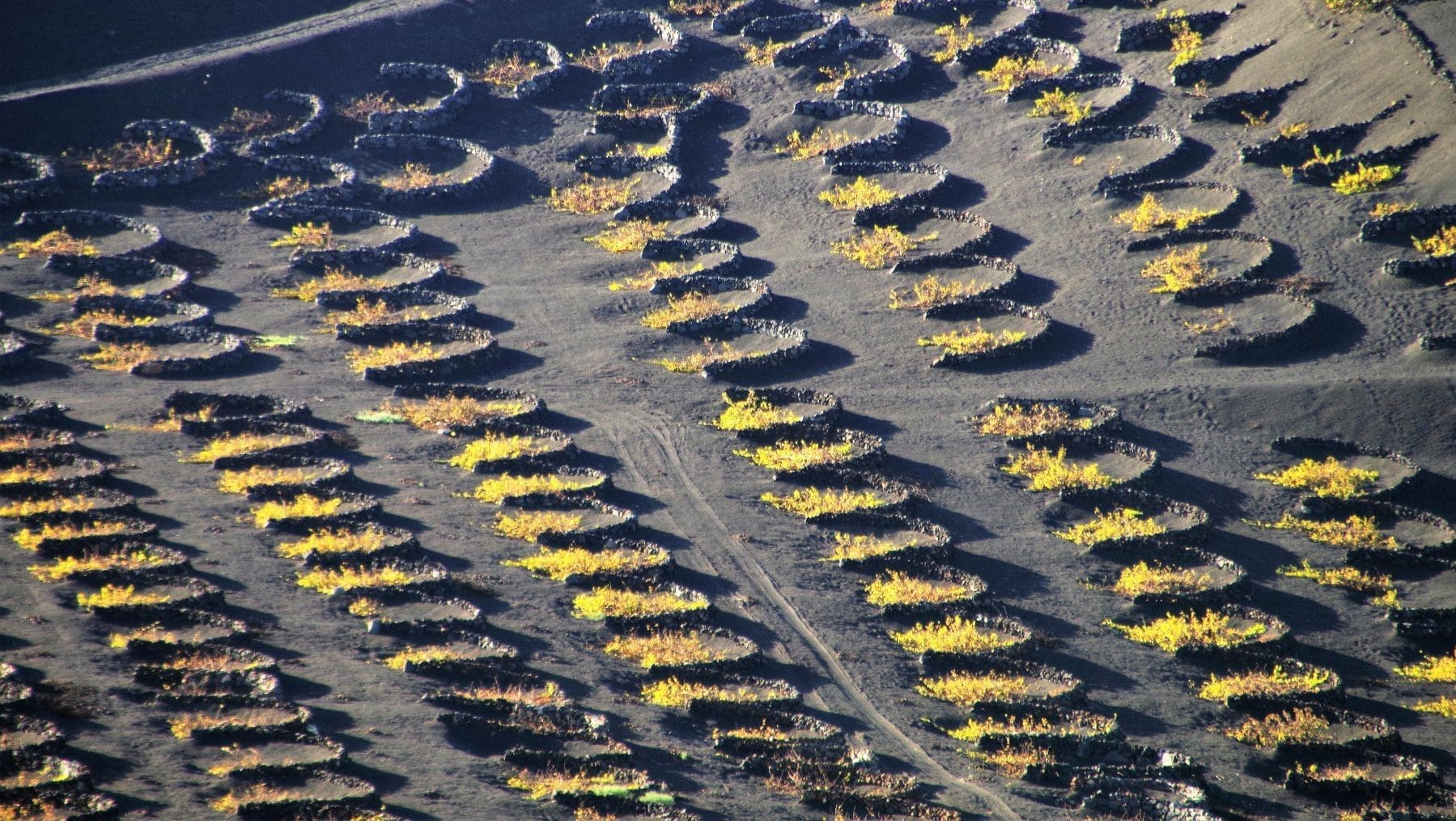
Rising temperatures, reduced water availability, and the increasing frequency of adverse weather events threaten strategic crops in the Canary Islands such as the avocado, mango, banana, grapevines, and temperate fruit trees, in addition to affecting livestock farming and beekeeping, according to the results of a study presented this Friday by the Government of the Canary Islands.
The research, led by the Department of Ecological Transition and Energy, analyzes the risks and vulnerabilities of the archipelago’s agricultural sector under current and future climate scenarios and proposes measures to improve the adaptation of the Canary Islands’ crops, according to a government press release.
The results were announced during the first Islands’ Transfer Days ‘The Future of Canary Islands’ Agriculture in the Face of Climate Change’, held at the Canary Islands Institute for Agricultural Research (ICIA), in Valle de Guerra, La Laguna, with the participation of professionals, technicians, and representatives of agricultural organizations.
The study also addresses the bioindicators of agricultural risk, the effects of climate change on strategic crops, the impact on livestock farming, and occupational thermal stress, in addition to proposing adaptation and mitigation measures to reinforce the resilience of the primary sector.
The Director General of Environmental Quality, Ángel Montañés, highlighted the importance of translating scientific knowledge to farmers and ranchers so they can anticipate the effects of climate change and adopt decisions in managing their Canary Islands crop operations.
Water in Agriculture
Water availability also connects this challenge with agricultural reuse. Since June 26, 2023, the European Regulation on Water Reuse establishes minimum requirements for using treated urban wastewater in agricultural irrigation, including quality controls, monitoring, and risk management.
Este marco proporciona una referencia para evaluar recursos complementarios al agua dulce. Su aprovechamiento requiere planificar el tratamiento, la distribución y la adecuación al uso previsto, ya que estos son elementos decisivos para que una alternativa hídrica resulte segura y viable.
