
COP31 marks a resounding failure of political leadership and a diplomatic stalemate that reflects short-sighted interests above people’s rights and the health of the planet, lamented Maria Laura Canineu, deputy director of HRW’s Environment and Human Rights Department.
COP31 ended without agreement on fossil fuels or adequate climate finance
This NGO, typically devoted to defending and promoting human rights, has joined ecologist organizations in a statement that denounces that the climate summit COP31 held in Antalya (Turkey) failed to protect the most affected communities.
COP31 concluded without an agreement on November 22, despite being the longest climate summit in history, due to the inability to reconcile the varying positions on the future of fossil fuels and the insufficiency of funds raised to finance climate adaptation.
The most vulnerable countries receive funding far below what is needed to adapt to climate change
HRW underscores the offer of «only 50 million dollars in the Adaptation Fund for Low-Income Countries, compared to the 120,000 million needed«, which indicates «the persistent willingness of many governments to protect short-term economic and corporate interests, at the expense of human rights and climate justice.»
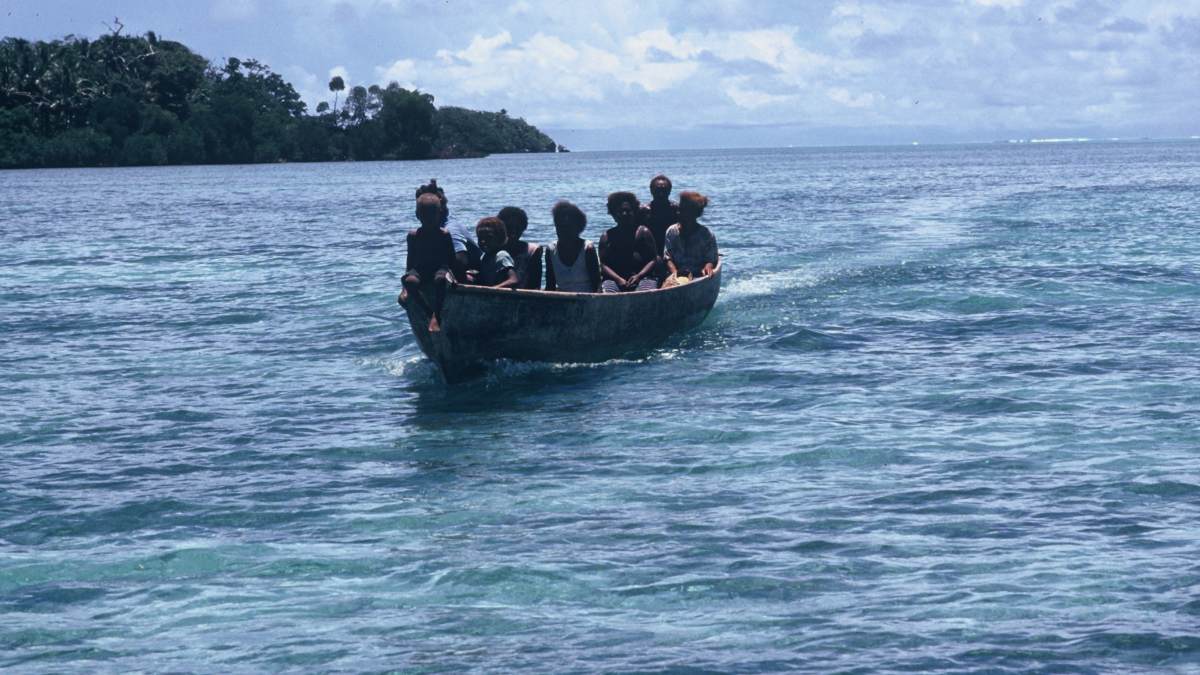
Canineu recalled the case of one of the Antalya summit’s participants, a Solomon Islands community leader named Francis Siaumari, who lived on Walande — a small artificial island situated off the coast of Malaita, the largest island in the archipelago — and who today is «submerged beneath the waves» due to «the rising sea level and intensified storms» that inundated the area.
Sea level rise forces Solomon Islands communities to abandon their homes
The indigenous community to which Siaumari belongs, numbering fewer than a thousand people, had to organize its own relocation to the mainland on the coast of Malaita, with «scant government support.»
With this testimony, HRW’s spokesperson linked the failure of negotiations to the fact that “sea level rise or extreme weather events do not stop”, meaning that the most affected communities are left to fend for themselves when confronting this problem.
Nevertheless, she also highlighted the «future-facing» vision of some governments, citing Nepal and Bangladesh, for «beginning to propose climate change solutions that respect human rights».
Coping with climate change comes at the expense of the most vulnerable
The failure of climate negotiations has direct consequences for millions of people who are already suffering the effects of the global warming. The disappearance of habitable territories, the displacement of communities, and the intensification of extreme weather events demonstrate that the climate crisis is also a human rights crisis.
Without firm commitments to decisively abandon fossil fuels and to finance adaptation, the populations that have contributed least to the problem will continue to bear its most severe consequences.