
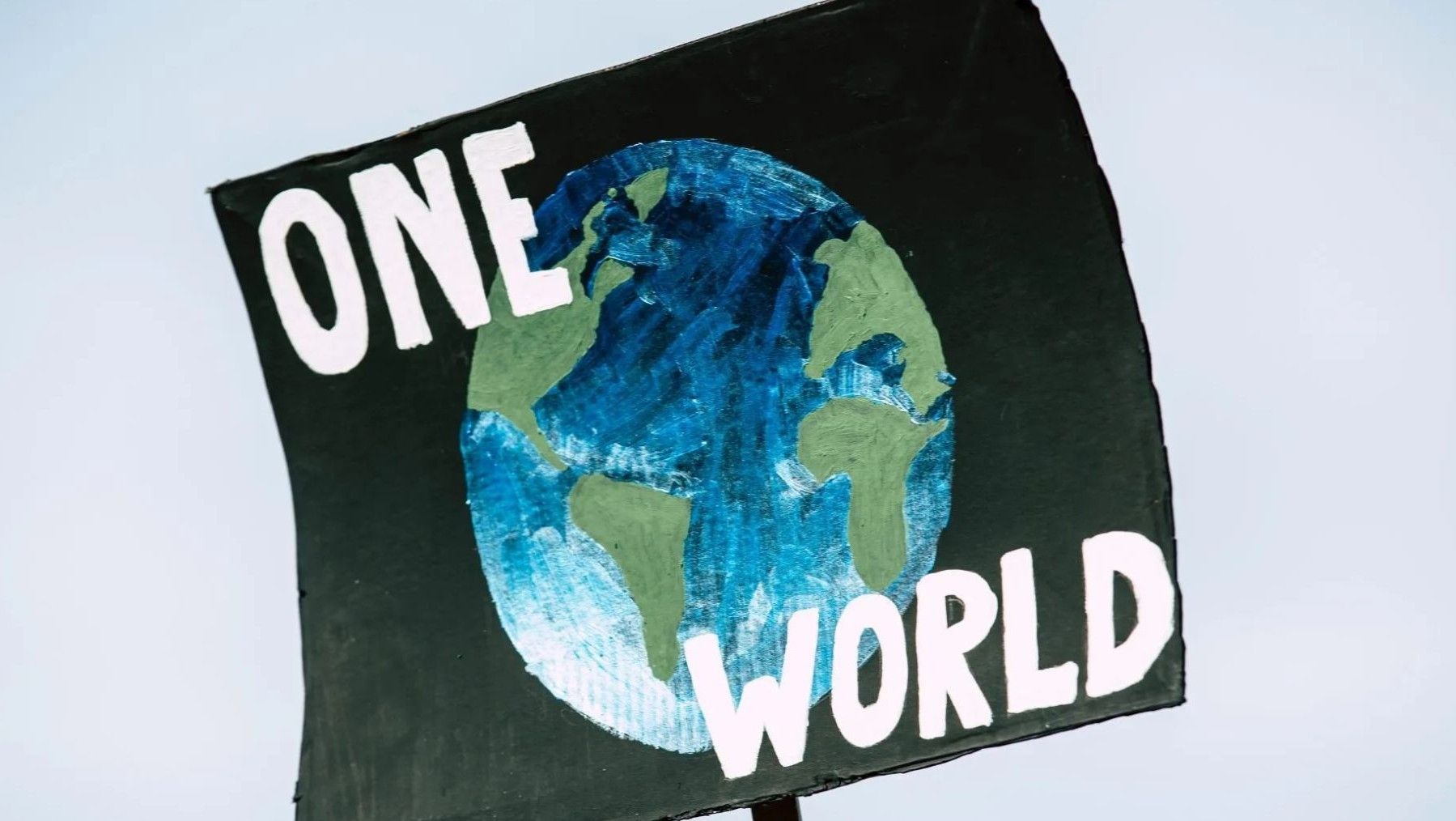
The International Day Against Climate Change 2026 focuses on safeguarding water, since without it there is no life, and on reducing emissions, all aimed at protecting the most vulnerable communities.
The climate crisis has ceased to be a threat and has become something very real; sudden and torrential floods, severe droughts, and extreme heat are only some of its manifestations, but there are many more.
Today October 24 marks the International Day Against Climate Change 2026, whose main objective is to raise awareness about the serious impacts of this phenomenon and to promote mitigation measures.
It is essential to know how to act when taking steps that help combat the worst consequences, such as deforestation, the fight against drought, or potential measures to prevent the overflow of rivers and floods.
If we do not understand what is changing, it is impossible to do anything to stop it, and on the International Day Against Climate Change 2026 it is vital that we seek answers in science that invites us to limit emissions, reforest and care for the forests and apply resilient measures.
The climate change has a very clear framework: 3.3 to 3.6 billion people are in a state of grave vulnerability due to its cause, according to data provided by the IPCC of 2023. For that reason, adaptation measures are essential to provide solutions to those communities with the least capacity to respond.
International Day Against Climate Change 2026: Defending Water and Life
On October 24, the International Day Against Climate Change 2026 is celebrated. People from all over the world will join forces to raise awareness about the planet’s difficult situation and mobilize efforts to combat the climate crisis.
The International Day Against Climate Change 2026 was established in 2009 by 350.org as a citizen-led initiative designed to influence delegates at the United Nations Framework Convention on Climate Change (UNFCCC), COP15.
In the following years, it has become a reference point for those committed to avoiding the most catastrophic impacts of global warming, such as glacier melt, droughts, rising sea levels, and extreme weather events.
In climate terms, we are breaking negative records. The last decade has witnessed the ten hottest years on record. The Paris Agreement committed world leaders to attempting to limit the global temperature rise to no more than 1.5 °C since the Industrial Revolution.
However, progress in addressing the causes of climate change has not been enough, and the Intergovernmental Panel on Climate Change (IPCC) predicts that, at the current pace, the world could surpass the 1.5 °C threshold as early as 2040.
Forests, Water and Life
For years, we have been clearing forested areas, which constitute the natural protective mantle of our territory. Now we are beginning to notice the consequences, since our forests and woodlands are closely linked to water quality, flood risk management, and water supply.
On the International Day Against Climate Change 2026, it is crucial to understand that proper planning and forest management are essential to improve our watercourses and water bodies. Trees act as an effective barrier for rivers, streams, lakes, and reservoirs, functioning as natural filters that remove contaminants from the water. And without water there is no life.
The way trees are planted and managed can enhance their ability to protect water. On World Climate Action Day 2026, it must be noted that forest management should focus on fostering natural processes that restore, protect and maintain the formed habitats.
Proper forest management also allows for a better structure of the forest and to protect open-water habitats, such as ponds and wetlands, on which wildlife and biodiversity depend.
International Day Against Climate Change 2026: A Natural Defense Against Floods
Did you know that trees can evaporate more water than any other type of vegetation? By intercepting rain before it hits the soil, they keep the soil drier, which enables it to absorb and store more water underground. And that is a key fact on the International Day Against Climate Change 2026.
Forest soils typically have a better structure than those of other land uses, which makes it easier for rainfall to permeate and filter rather than run off the surface and contribute to floods that are being worsened by global warming. Additionally, dry shrubs and dead wood slow the flow of floodwater and delay its arrival at waterways.
These natural defenses are becoming increasingly important as climate change drives more extreme summer storms and heatwaves. Trees protect the soil against erosion, preventing sediments from clogging river channels; this ensures rivers keep flowing freely when floods occur.
More Trees Against Drought
The International Day Against Climate Change 2026 aims to value water, without which life is impossible, and since only about 2% of Earth’s water is potable, we must treat it as a precious resource.
As summers become warmer and drier, forests can help conserve valuable water resources. Strategic planting of trees at field margins or along river banks creates windbreaks and provides shade, which reduces water evaporation.
